Gratuit 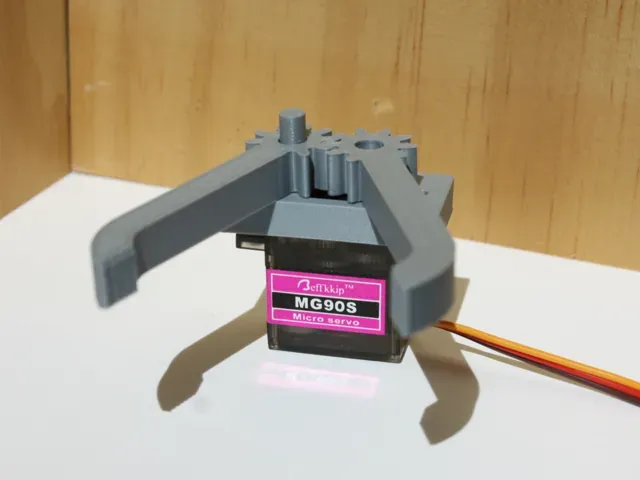
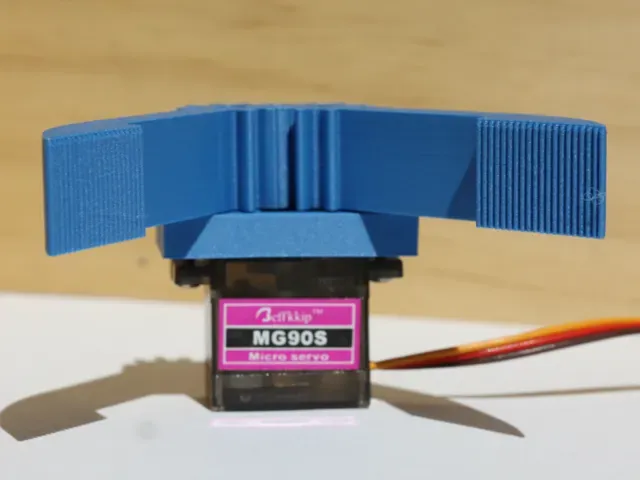
Robot Arm Claw For MG90S Micro Servo Motor
MakerWorld
This collection gathers 3D models of robot claws, grippers and mechanical hands made for 3D printing. It covers simple two-part grippers, articulated five-finger hands, insect-inspired claws and claws that come as part of a whole robot. Because the parts move against each other, the model pages are worth reading closely before you slice an STL. Polyzon does not confirm whether models are free, their price, license, official status, affiliation, safety or fitness. Check the current terms at the source.
Le texte de cette collection est rédigé en anglais ; la recherche, elle, fonctionne dans toutes les langues.
 Une collection Polyzon · 48 modèles sur 7 plateformes
Polyzon compose cette collection à partir des résultats de recherche des plateformes connectées. Les doublons et les modèles sans aperçu sont retirés, les correspondances faibles sont placées à la fin, et le reste suit l’ordre de la recherche. Les modèles appartiennent à leurs auteurs : consultez les conditions sur la page de chaque modèle.
Règles de sélection : la rédaction de Polyzon · Texte mis à jour le 13/10/2026
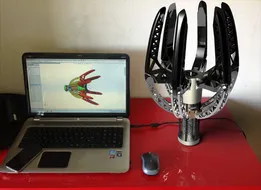

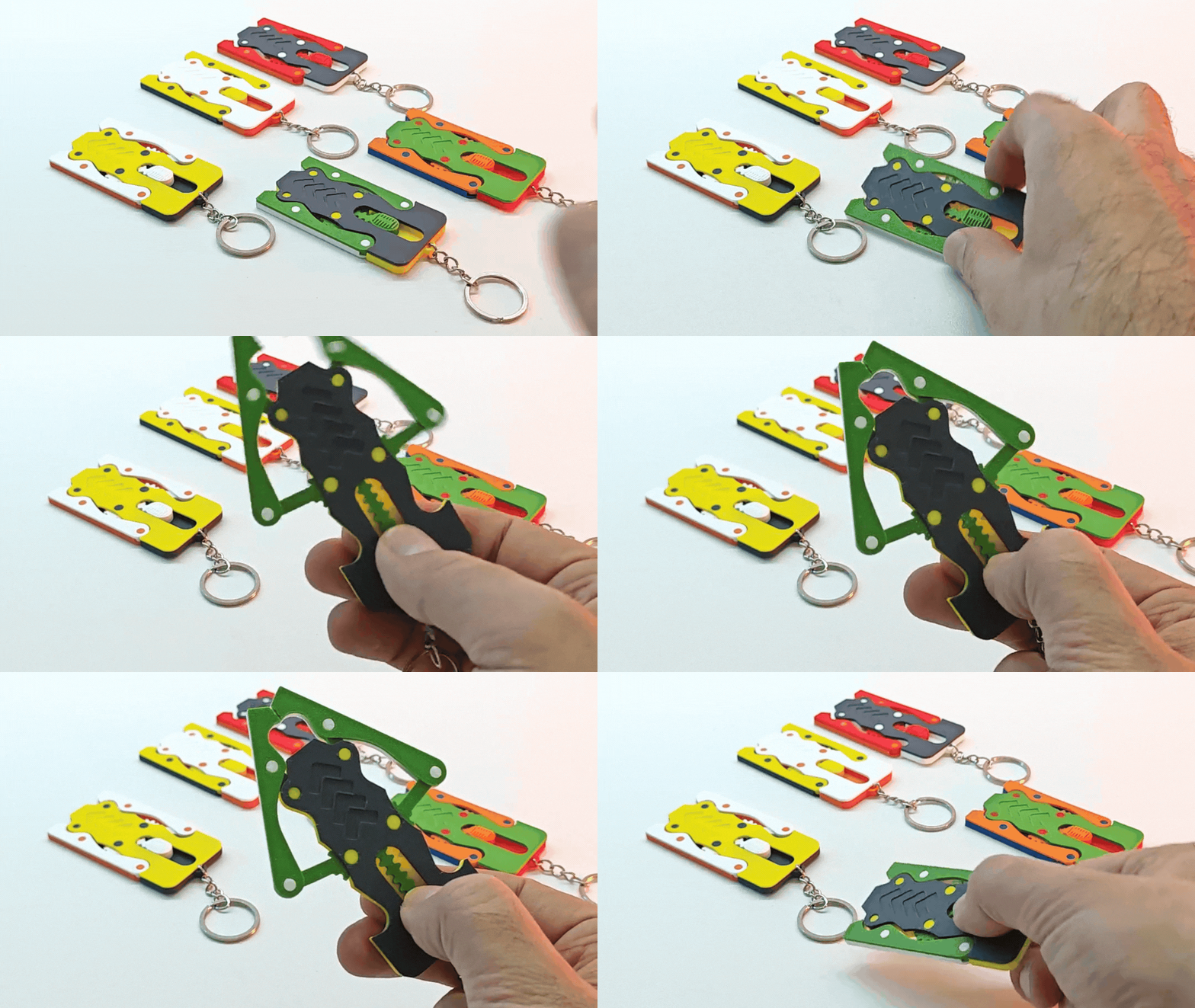



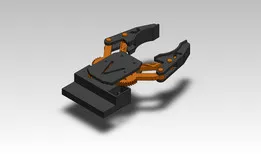
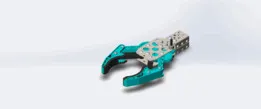


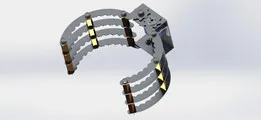



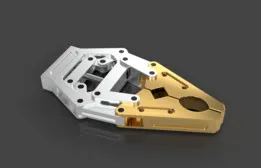


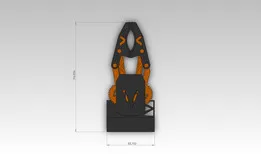


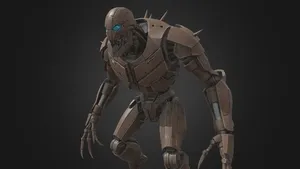
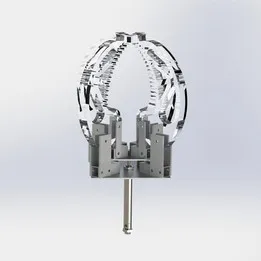


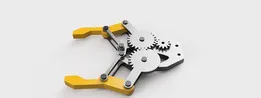


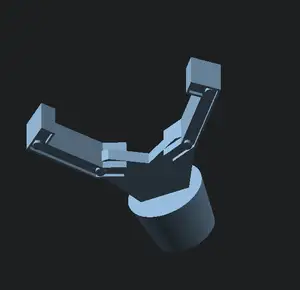
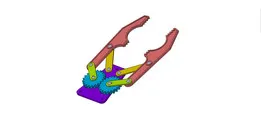


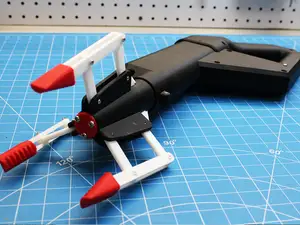
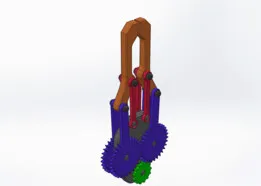
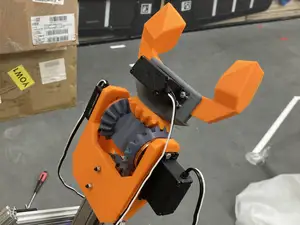
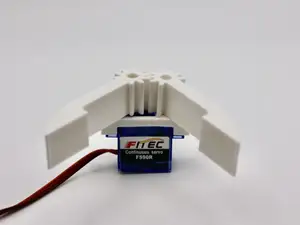
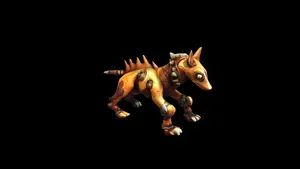
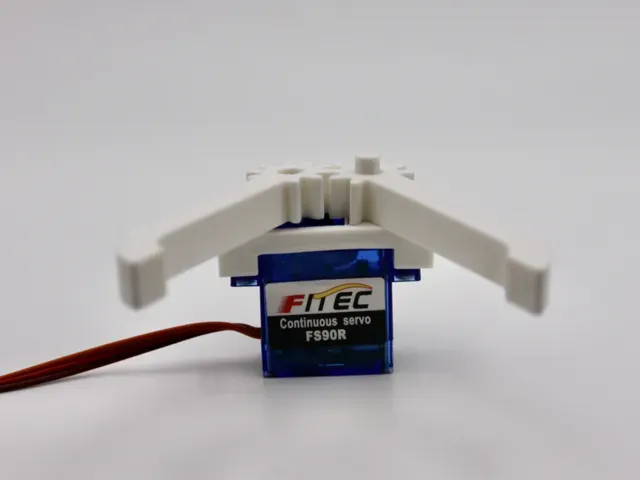
The models fall into a few groups. Gripper claws are usually compact two- or three-jaw mechanisms that open and close around an object. Posable hands have separate finger segments and more joints, so they take longer to assemble. Mantis-style and insect claws imitate a curved, hooked shape, while some files pair a claw with a full robot body or a tracked base. Parametric versions let you change jaw length, finger count or mounting holes before export.
When choosing a file, look at how the claw is driven: a servo horn mount, a linkage, a gear train or a spring. Check the stated scale and the size of the opening, since a claw sized for a small servo will not grip large objects. Read the part count and whether fasteners, bearings or servo screws are required, and see if the author lists supports, layer height, wall count and material. Photos of real prints show how the joints fit better than renders do.
To widen the search, try the words gripper, end effector, manipulator, mechanical hand, finger and jaw alongside claw. Related topics include robot arms with several degrees of freedom, tracked and climbing robots, and servo-driven mechanisms. If you want a simpler build, search for two-part or single-piece designs; if you want more articulation, look for posable or multi-finger versions.



Le catalogue complet des thèmes, de la maison à la CNC, avec une recherche sur tous les sites connectés.