Gratuit 
J.A.I.K. Tube (Cone Loader)
Thingiverse
This collection gathers cone and tube 3D models for 3D printing, from simple geometric shapes to practical caps, holders, and adapters. You can also find fidget toys, vases, and storage containers built around conical or tubular forms. The range helps you compare how different designs handle scale, wall thickness, and assembly before you slice an STL. Polyzon does not confirm whether models are free, their price, license, official status, affiliation, safety or fitness. Check the current terms at the source.
Le texte de cette collection est rédigé en anglais ; la recherche, elle, fonctionne dans toutes les langues.
 Une collection Polyzon · 46 modèles sur 4 plateformes
Polyzon compose cette collection à partir des résultats de recherche des plateformes connectées. Les doublons et les modèles sans aperçu sont retirés, les correspondances faibles sont placées à la fin, et le reste suit l’ordre de la recherche. Les modèles appartiennent à leurs auteurs : consultez les conditions sur la page de chaque modèle.
Règles de sélection : la rédaction de Polyzon · Texte mis à jour le 14/10/2026
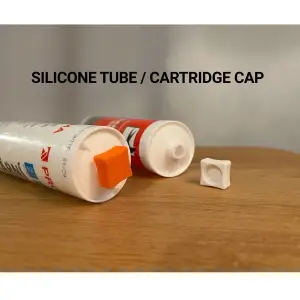
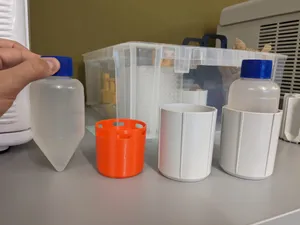
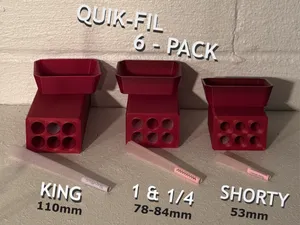
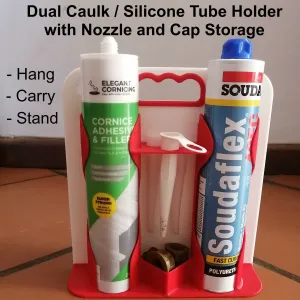

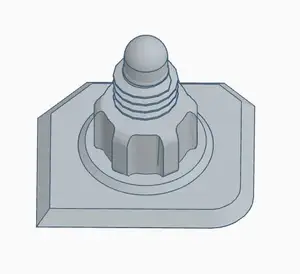
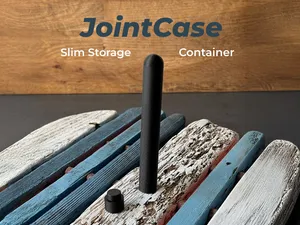
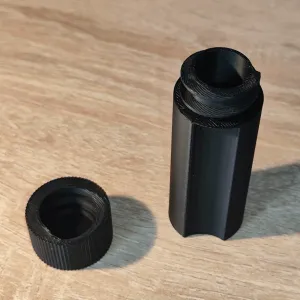

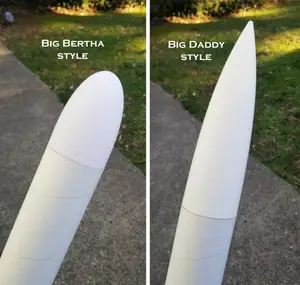
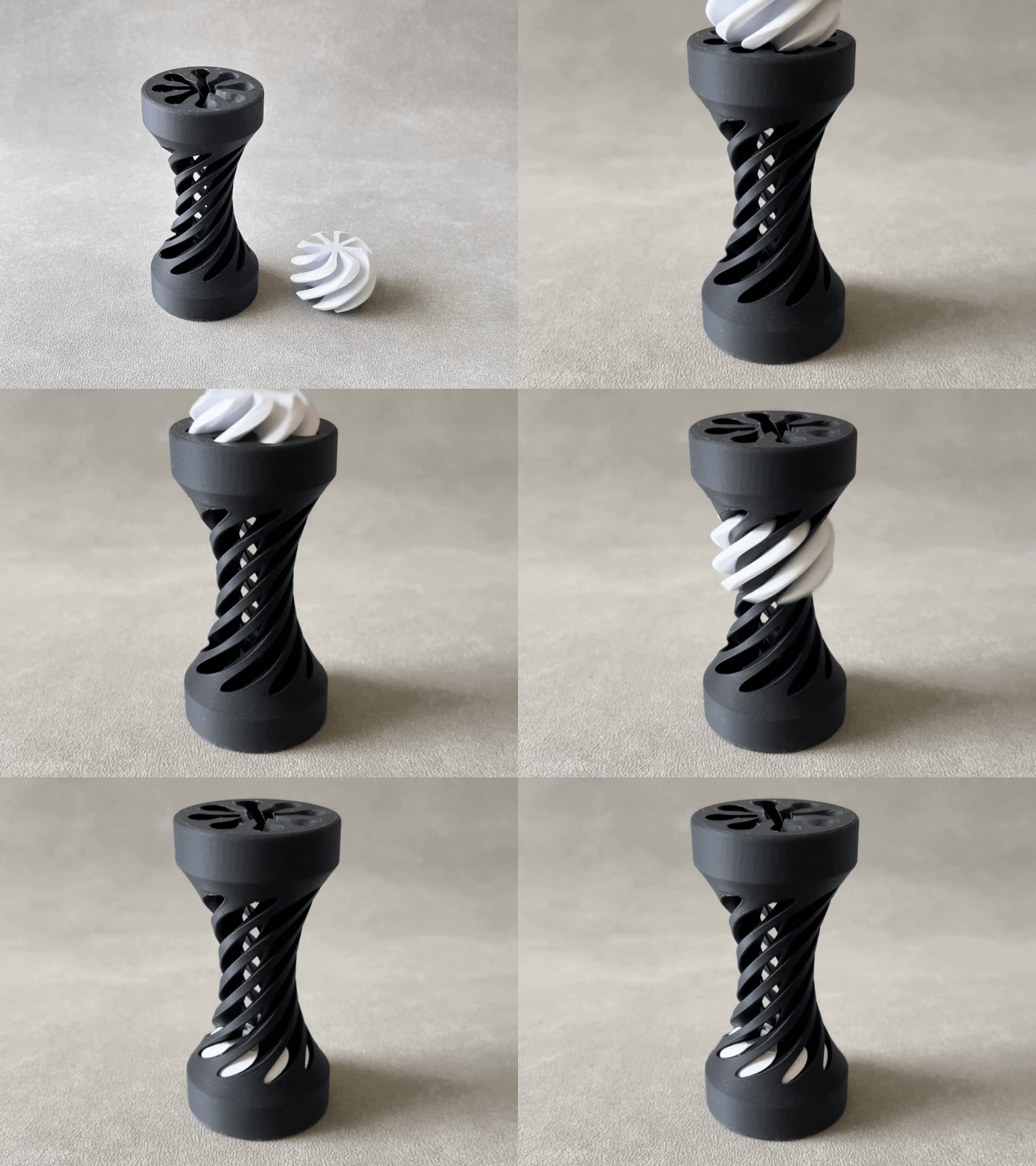
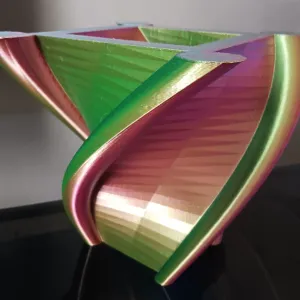

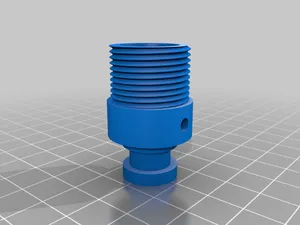
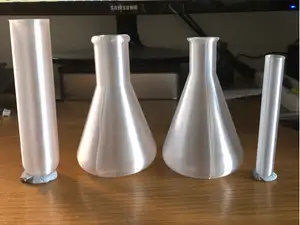
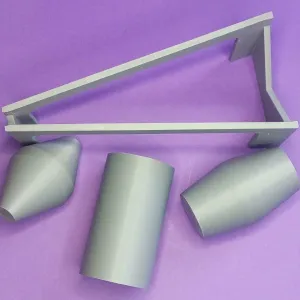
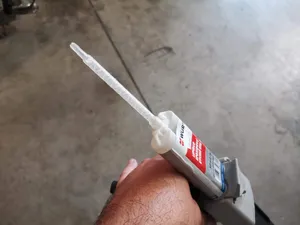
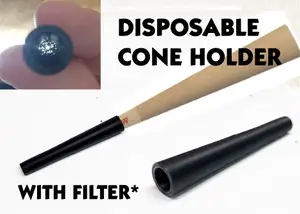
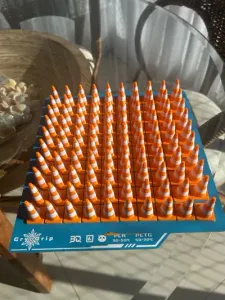

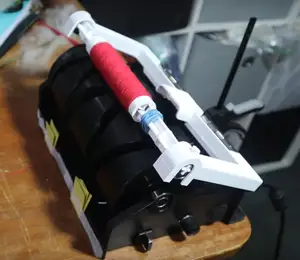
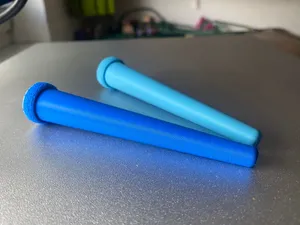
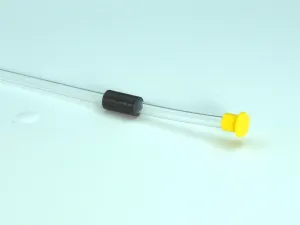


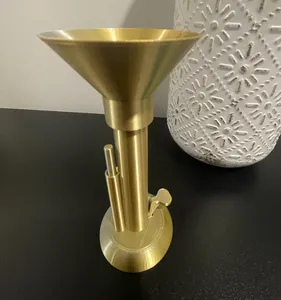
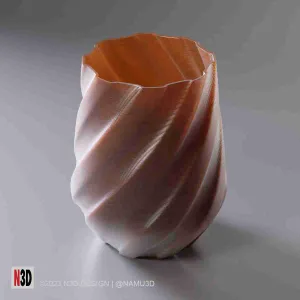

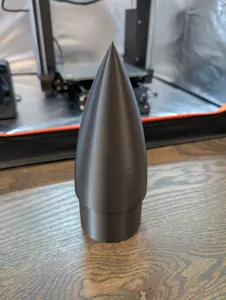
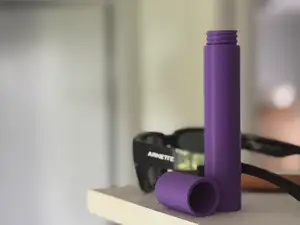
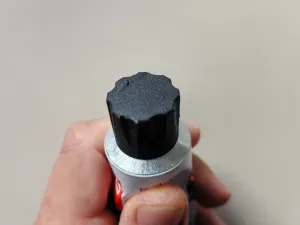

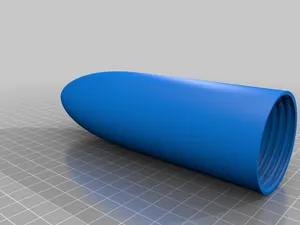
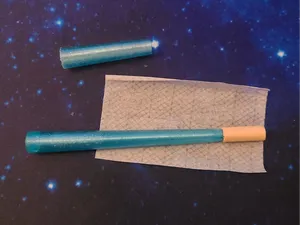
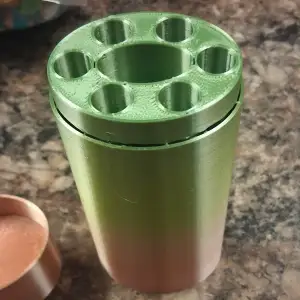

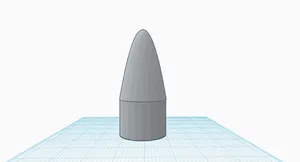

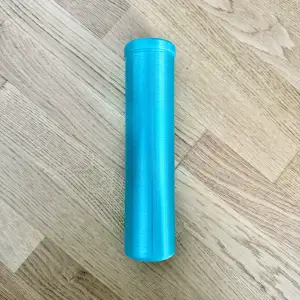

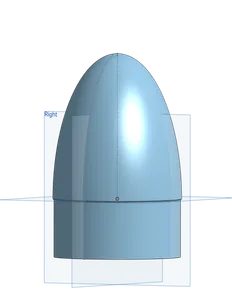
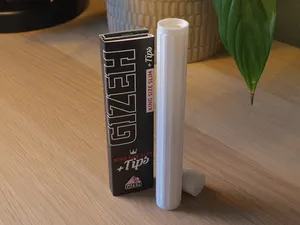
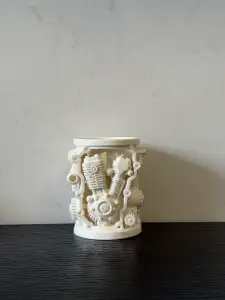
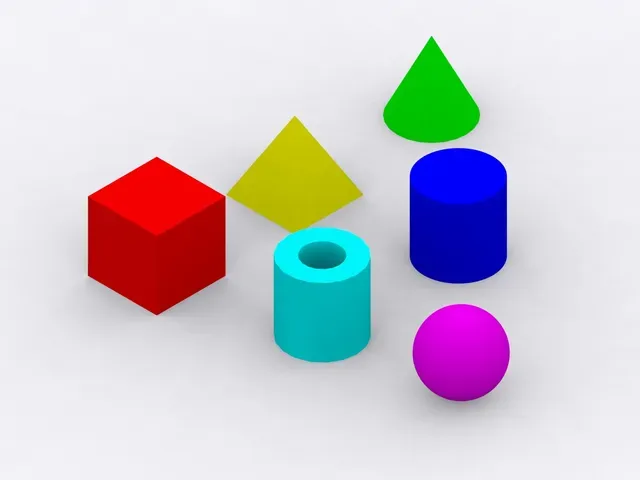
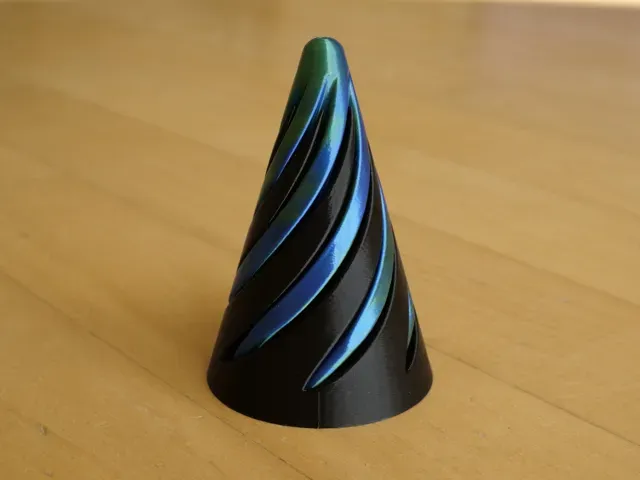
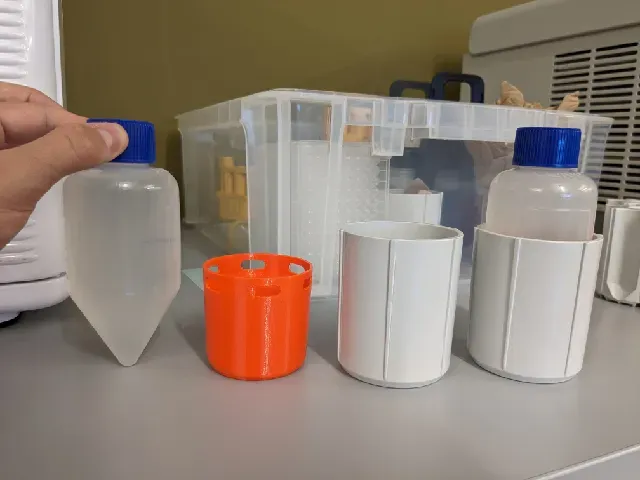
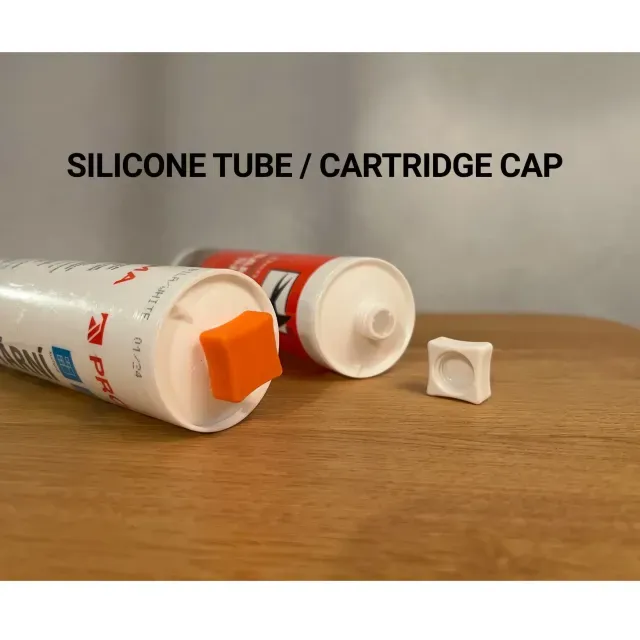
Cone and tube models split into a few broad groups. Geometric primitives serve as building blocks for modeling or as test shapes. Caps, holders, and adapters are shaped around specific tube or cartridge diameters. Fidget and spinning toys use cone or twist geometry for movement, while vases and storage containers apply similar forms at a larger scale.
When choosing a model, check the dimensions and scale on the author's page, since a tube or cone that looks similar in a preview can differ in diameter, taper, or thread. Look at the number of parts and whether assembly is required. Also review the material and settings the author lists, and any photos of real prints, to understand how the model behaves in a 3D printer.
To refine a search, try synonyms and related terms such as conical, tapered, cylindrical, sleeve, cap, adapter, or holder. Combine those with a use case like storage, fidget, lab, or printer parts. If a result is too specific, broaden to tube fittings or cone shapes; if it is too broad, add a diameter, thread type, or assembly detail.


Le catalogue complet des thèmes, de la maison à la CNC, avec une recherche sur tous les sites connectés.