
Gratuit 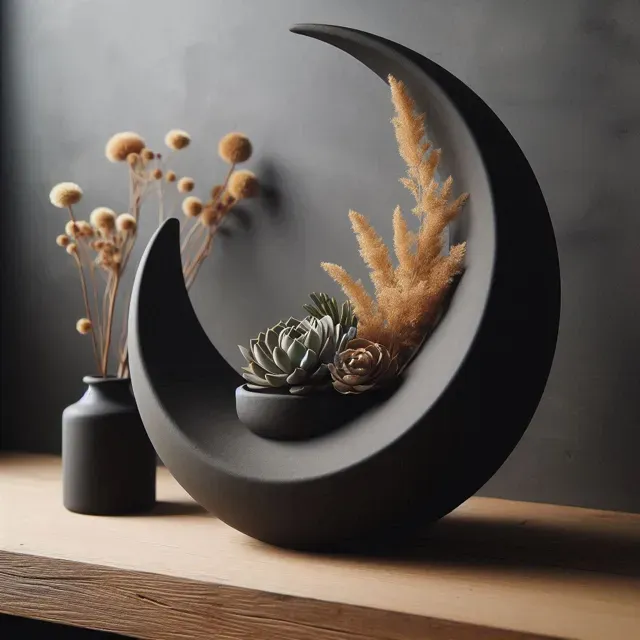
Designer Crescent Decorative Object, Vase, Vessel
MakerWorld
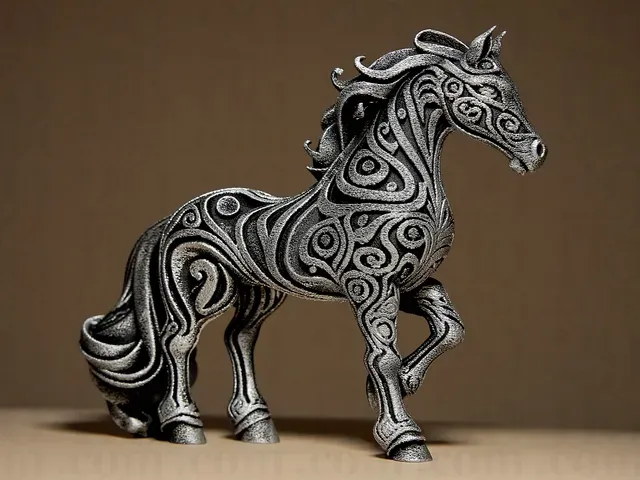
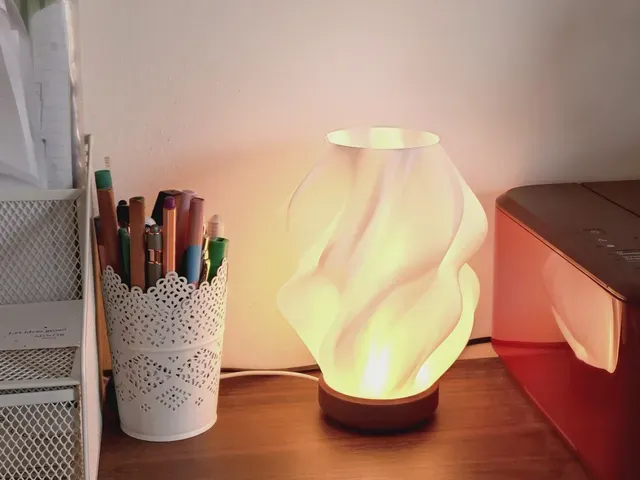
This collection gathers 3D printing models built around decorative objects: animal sculptures, lamps and shades, trays and bowls, organizers and small accessories. The range is wide, so it helps to know which type of object you want before you start comparing files. Many entries are designed as display pieces, while others are meant to be used daily, and that difference shapes the STL you choose. Polyzon does not confirm whether models are free, their price, license, official status, affiliation, safety or fitness. Check the current terms at the source.
Le texte de cette collection est rédigé en anglais ; la recherche, elle, fonctionne dans toutes les langues.
 Une collection Polyzon · 48 modèles sur 6 plateformes
Polyzon compose cette collection à partir des résultats de recherche des plateformes connectées. Les doublons et les modèles sans aperçu sont retirés, les correspondances faibles sont placées à la fin, et le reste suit l’ordre de la recherche. Les modèles appartiennent à leurs auteurs : consultez les conditions sur la page de chaque modèle.
Règles de sélection : la rédaction de Polyzon · Texte mis à jour le 14/10/2026

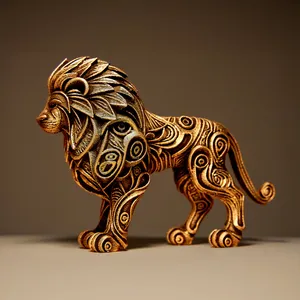
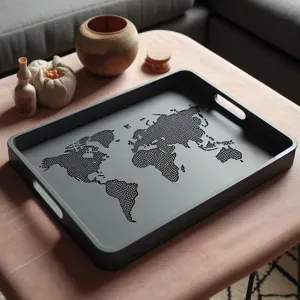

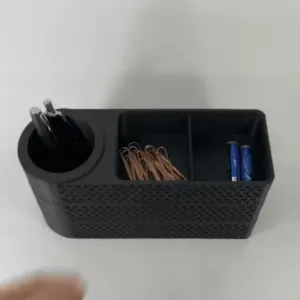

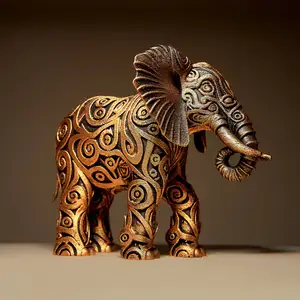
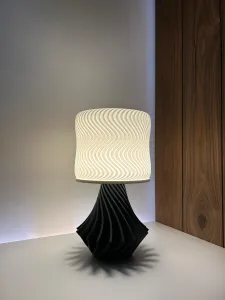

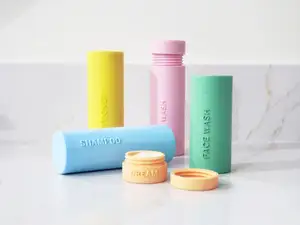

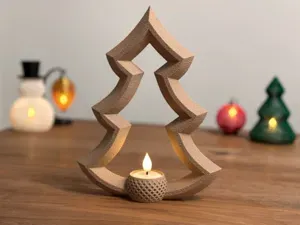





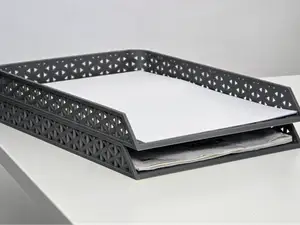
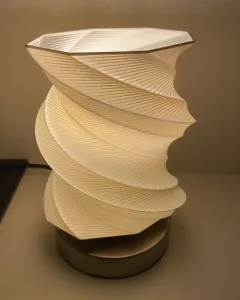
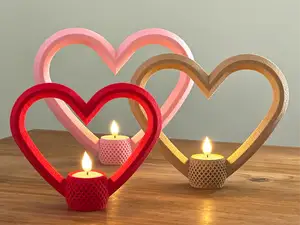

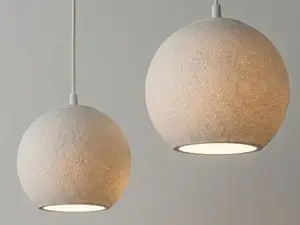
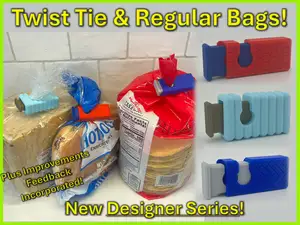
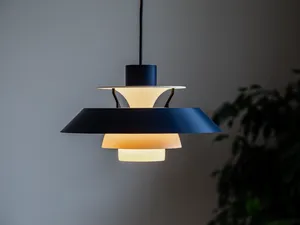


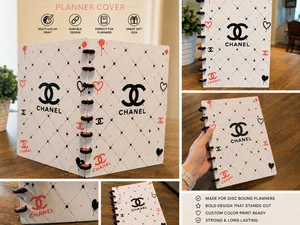


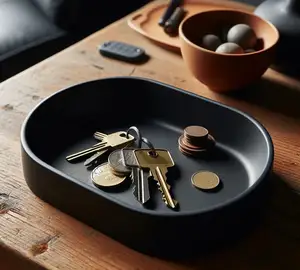
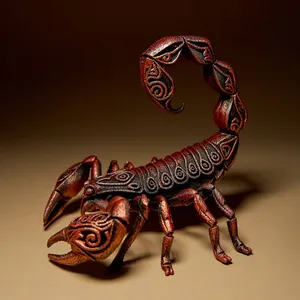
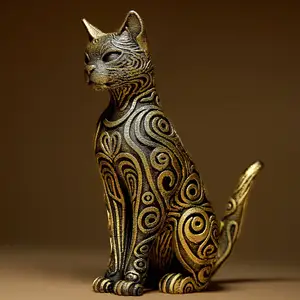
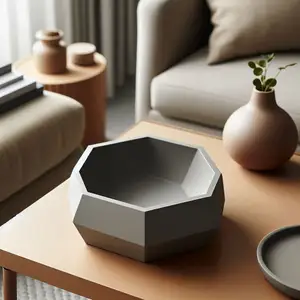
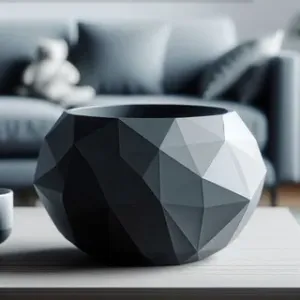
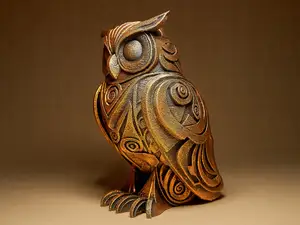
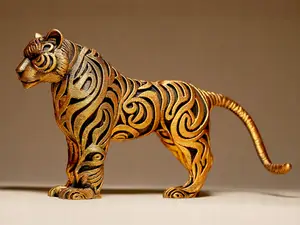

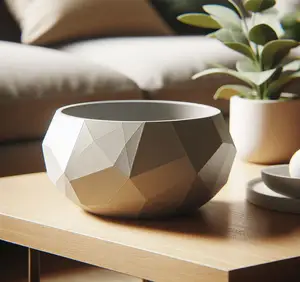
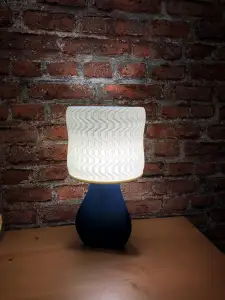

The models fall into a few distinct groups. Sculptures are usually compact, closed forms with detailed surfaces, while lamps and shades are hollow shapes whose walls spread light and often come as several parts. Trays, bowls and catch-alls are shallow open forms with flat bases, and organizers and clips combine multiple elements that have to fit together. Jewelry and small accessories sit at the other end of the scale, where fine details matter more than overall size.
When you open a model page, look at the dimensions and scale first, since decorative pieces are often shown without a reference object. For lamps, check wall thickness and how the shade is split into parts, because thin walls behave differently from solid sculpture surfaces. For trays and organizers, note the number of parts, how they join, and whether the author lists supports, material and print settings. Photos of real prints are the most useful signal of how the finished object actually looks.
If the results feel too narrow, widen the wording. Decorative objects are also listed as vessels, vases, figurines, ornaments or display pieces, and lamps appear as shades, tea light holders or lithophane panels. Trays are often called catch-alls, dishes or organizers, and low poly or voronoi describe a surface style rather than an object type. Combining a shape word with a style word usually returns a different, more focused set of files.


Le catalogue complet des thèmes, de la maison à la CNC, avec une recherche sur tous les sites connectés.