Gratuit 
Automatic Fish Feeder
Thingiverse
This collection gathers 3D models for feeding fish in aquariums and ponds, from motorized dispensers to simple floating rings. The files are made for 3D printing, so you can adapt the size and the opening to your tank and to the food you use. It helps if you already know how much you feed and how often. Polyzon does not confirm whether models are free, their price, license, official status, affiliation, safety or fitness. Check the current terms at the source.
Le texte de cette collection est rédigé en anglais ; la recherche, elle, fonctionne dans toutes les langues.
 Une collection Polyzon · 48 modèles sur 4 plateformes
Polyzon compose cette collection à partir des résultats de recherche des plateformes connectées. Les doublons et les modèles sans aperçu sont retirés, les correspondances faibles sont placées à la fin, et le reste suit l’ordre de la recherche. Les modèles appartiennent à leurs auteurs : consultez les conditions sur la page de chaque modèle.
Règles de sélection : la rédaction de Polyzon · Texte mis à jour le 13/10/2026
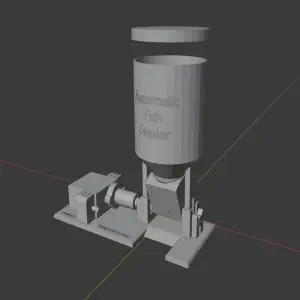


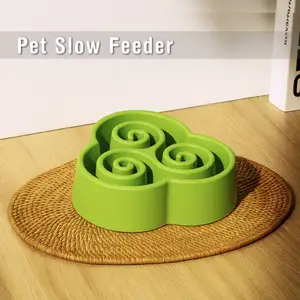


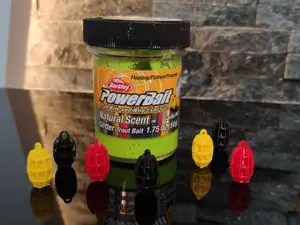


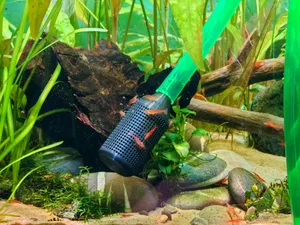



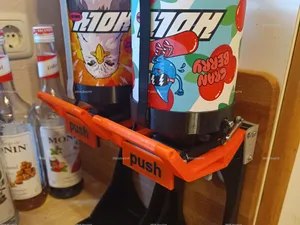
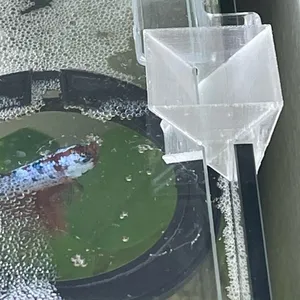





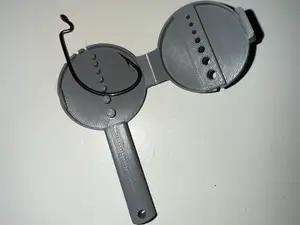
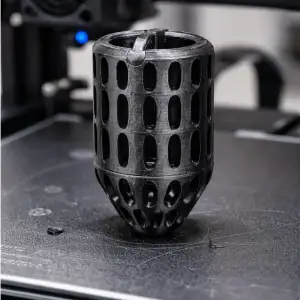

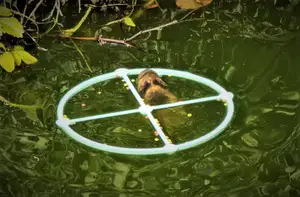

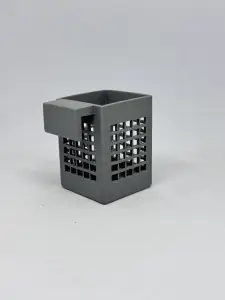




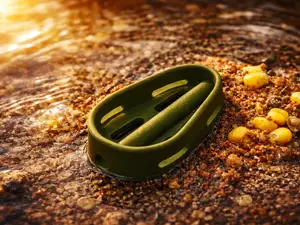



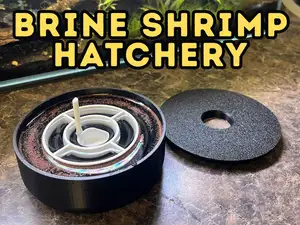
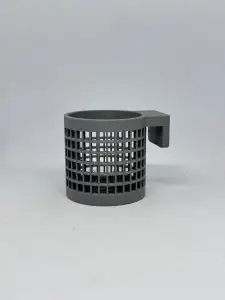


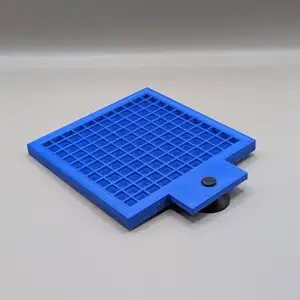

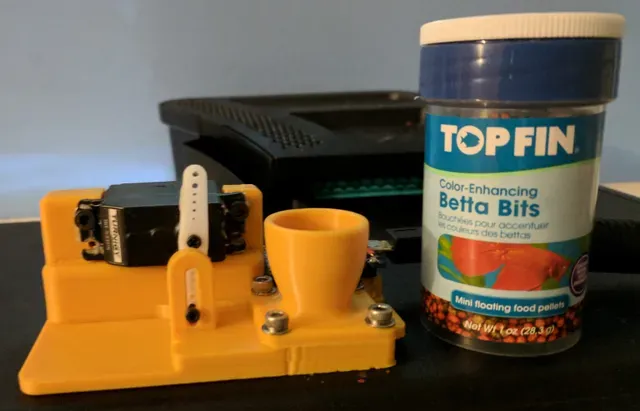
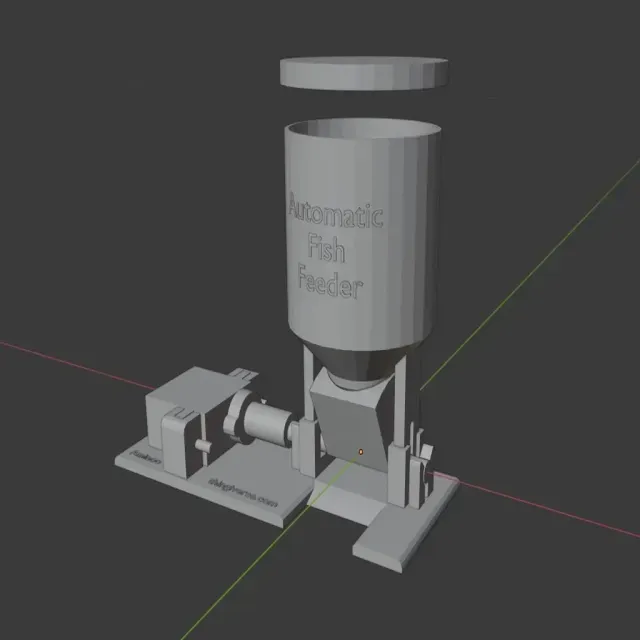
The models fall into a few groups. Automatic and motorized feeders use a drum, auger or gear to drop a set amount of food at intervals, and they usually involve more parts and a motor or timer. Floating feeders are rings or small platforms that hold flakes or pellets at the surface. Funnel and gravity designs rely on a hopper and a narrow opening, while shrimp and fry feeders use fine mesh or small holes for powdered and live food.
When choosing a model, look at the size and scale first: a feeder that fits a small tank may be too narrow for a large pellet. Check the number of parts and how they assemble, whether the author lists screws, bearings or magnets, and whether supports are needed on the printed pieces. Read the material and settings the author recommends, since parts that touch water are often printed in PETG or ASA rather than PLA. Photos of real prints on the model page show how the mechanism actually fits together.
You can widen the search with related terms. Try aquarium feeder, fish food dispenser, auto feeder, pellet dispenser, flake feeder, brine shrimp feeder or fry feeder, and add the tank type or the food form. If you want a mechanism rather than a container, search for auger, drum or gear feeder. Aquarium accessories such as hiding caves, plant holders and shrimp guards often appear in the same results and can be printed in the same session.



Le catalogue complet des thèmes, de la maison à la CNC, avec une recherche sur tous les sites connectés.