
Gratuit 
Router attachment for rotary tool
Thingiverse
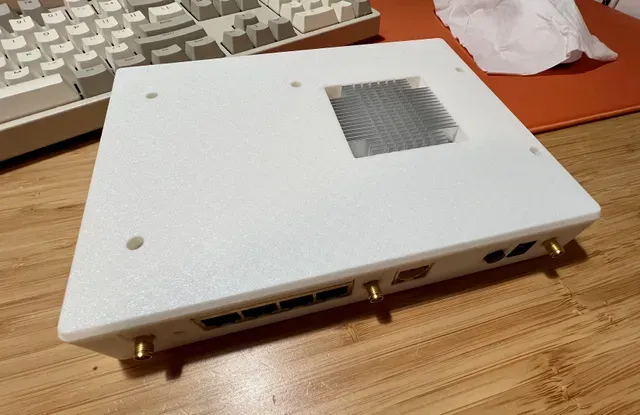
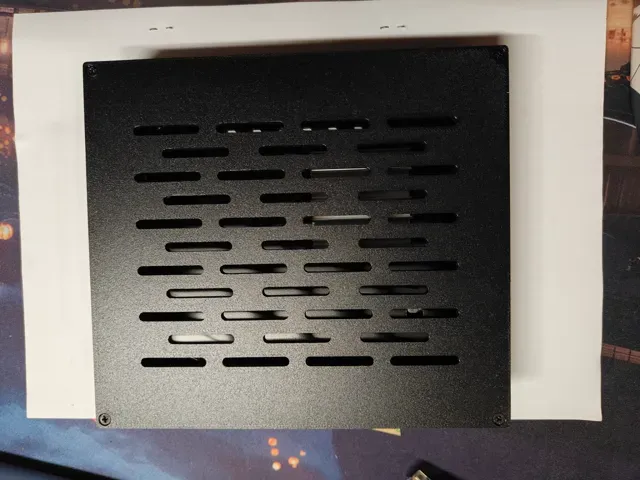
The collection gathers STL models for router casings and the parts around them: replacement housings for network routers, attachments that turn a rotary tool into a small router, baseplates, and dust extraction fittings. Most of these pieces are small enough to print on a desktop 3D printer, which helps when an original shell is cracked or a jig is missing. Polyzon does not confirm whether models are free, their price, license, official status, affiliation, safety or fitness. Check the current terms at the source.
Le texte de cette collection est rédigé en anglais ; la recherche, elle, fonctionne dans toutes les langues.
 Une collection Polyzon · 45 modèles sur 4 plateformes
Polyzon compose cette collection à partir des résultats de recherche des plateformes connectées. Les doublons et les modèles sans aperçu sont retirés, les correspondances faibles sont placées à la fin, et le reste suit l’ordre de la recherche. Les modèles appartiennent à leurs auteurs : consultez les conditions sur la page de chaque modèle.
Règles de sélection : la rédaction de Polyzon · Texte mis à jour le 14/10/2026



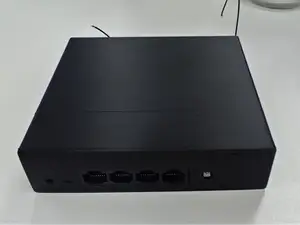


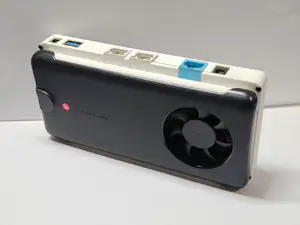




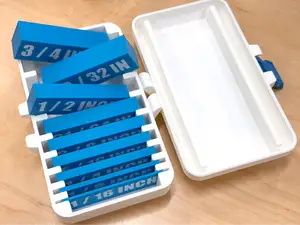

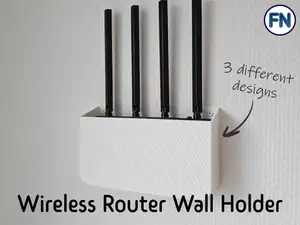

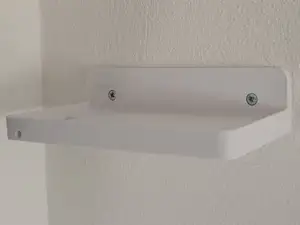



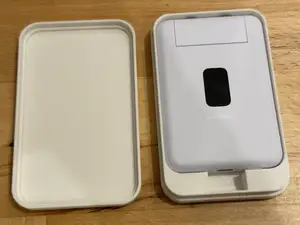

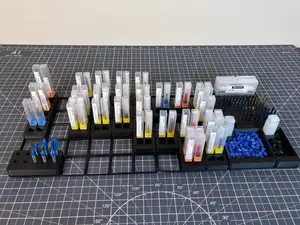



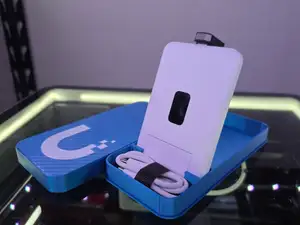

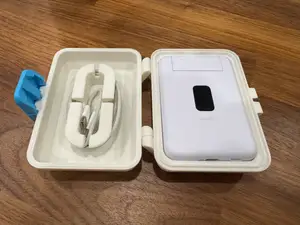

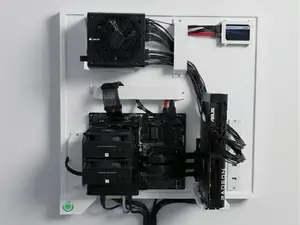



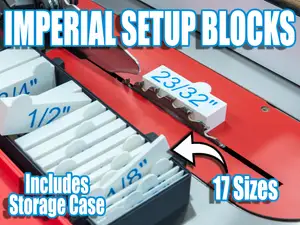

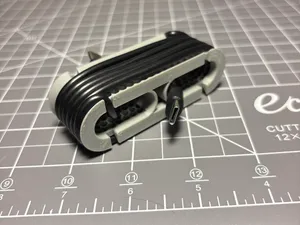

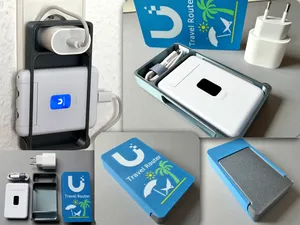
The models fall into a few groups. Rotary-tool attachments and baseplates add a guide or a flat sole to a handheld tool, while router housings are shells that wrap a board or an antenna unit. Dust extraction parts connect a fence or a base to a hose, and jigs hold a workpiece or a guide at a fixed angle. Each group solves a different problem, so it helps to decide first whether you are replacing a broken part or adding a function.
When you open an author's model page, look at the listed dimensions and scale before anything else, since a shell has to match the board it covers and a baseplate has to match the tool's mounting holes. Check how many parts the model has and how they join, whether the author notes that supports are needed, and which material and settings they used. Photos of real prints show how the edges, screw bosses and openings came out.
If the results look narrow, try the wording used by other makers: rotary tool router base, trimmer baseplate, router fence dust port, or enclosure for a specific board size. Related searches such as jig, template, clamp or adapter often lead to parts that work with the same tool. You can also search by the tool family or by the shape of the device you want to cover, rather than by the word casing alone.

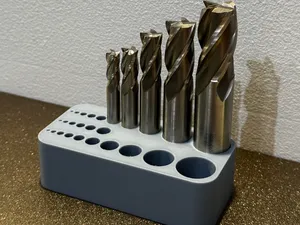
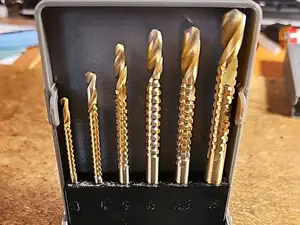


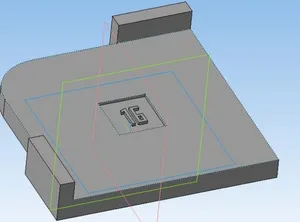
Le catalogue complet des thèmes, de la maison à la CNC, avec une recherche sur tous les sites connectés.