
Gratuit 
Light Pole Cover Box Geocaching
Thingiverse
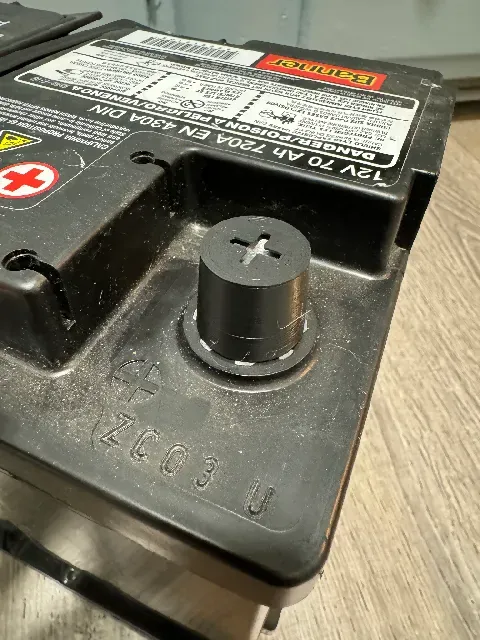
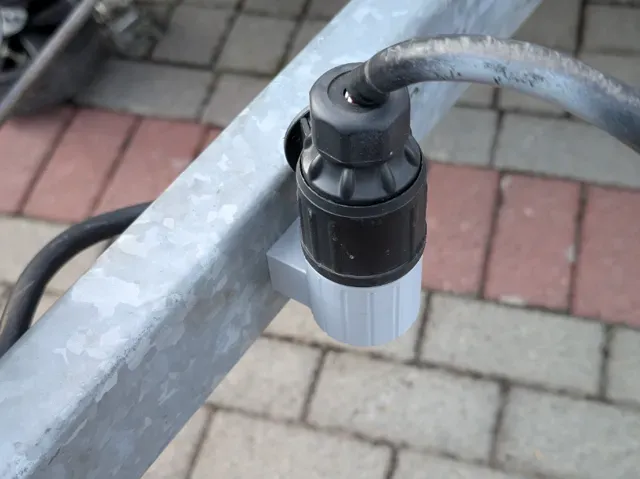
This collection gathers 3D models for covering and capping poles of different kinds: battery terminals, hiking poles, fence posts, connector housings and pole mounts. Each entry is an STL file you can slice for your own 3D printer, so the fit depends on the dimensions you measure yourself. It helps when a ready-made part is hard to find in the size you need. Polyzon does not confirm whether models are free, their price, license, official status, affiliation, safety or fitness. Check the current terms at the source.
Le texte de cette collection est rédigé en anglais ; la recherche, elle, fonctionne dans toutes les langues.
 Une collection Polyzon · 47 modèles sur 4 plateformes
Polyzon compose cette collection à partir des résultats de recherche des plateformes connectées. Les doublons et les modèles sans aperçu sont retirés, les correspondances faibles sont placées à la fin, et le reste suit l’ordre de la recherche. Les modèles appartiennent à leurs auteurs : consultez les conditions sur la page de chaque modèle.
Règles de sélection : la rédaction de Polyzon · Texte mis à jour le 13/10/2026


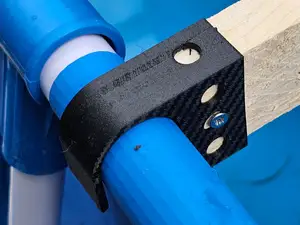


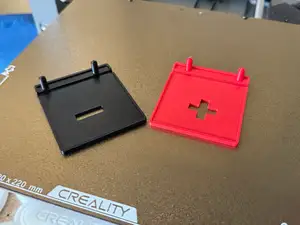
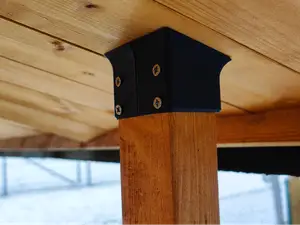


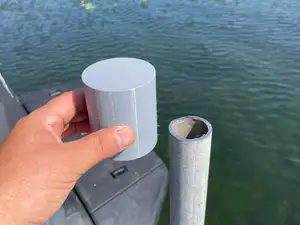


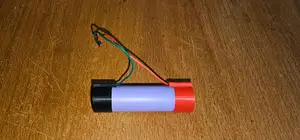
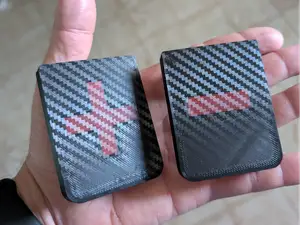




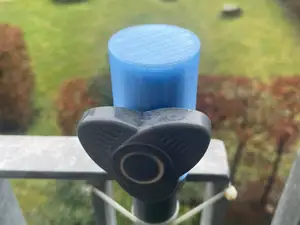


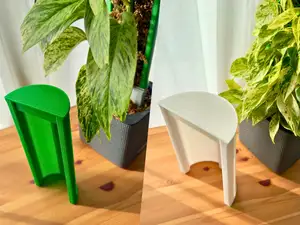


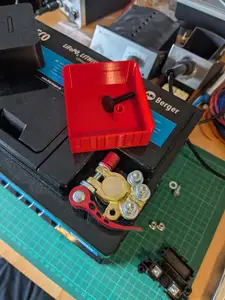
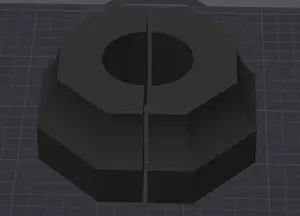


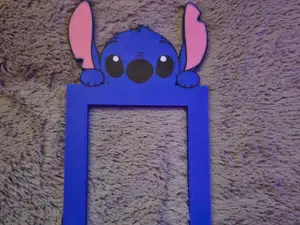


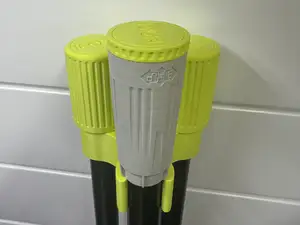
The models differ in how they attach and what they protect. Some are simple caps that slide over an end, others are two-part shells that close around a terminal or plug, and some are sleeves or brackets that wrap a tube. A few are decorative tops for posts, while others are functional covers with cutouts for cables or screws.
Before printing, measure the outer diameter of the pole or terminal and compare it with the dimensions the author lists. Check the wall thickness, the clearance between mating parts, the number of pieces and how they join, and whether the shape needs supports. Look at photos of real prints and at the material and settings the author mentions, since outdoor parts behave differently from indoor ones.
If the first search gives few results, try other words for the same object: cap, plug, sleeve, boot, end cover, housing, bracket or clamp. Related topics can also help, such as terminal insulation, trailer plug housings, post caps, hiking pole tip protection or geocaching containers. Combining a part name with the object it fits usually narrows the list faster than a single broad word.
A cover that fits one pole may not fit another, so treat every listing as a starting point. Scaling a model in the slicer changes wall thickness and tolerances as well as size, which can affect how it grips. When a model has several versions, compare their stated dimensions before choosing one.


Le catalogue complet des thèmes, de la maison à la CNC, avec une recherche sur tous les sites connectés.