Gratuit 
Snowman Lamp (Spiral Vase)
Thingiverse
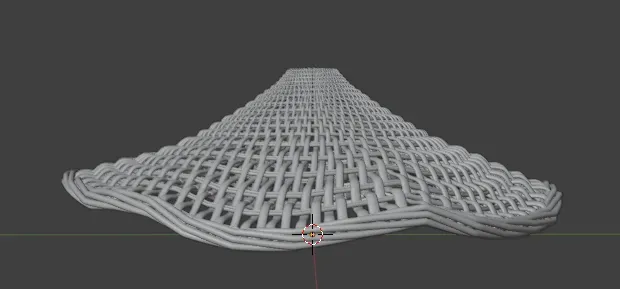
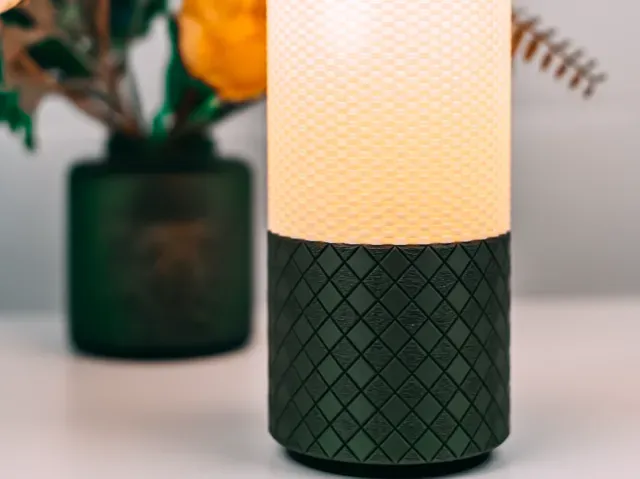
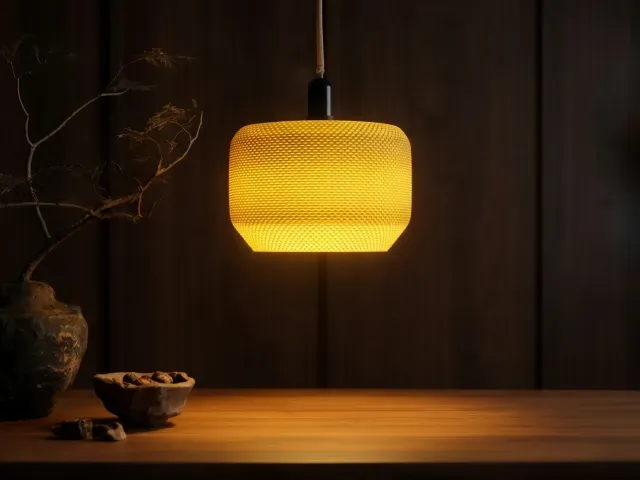
This collection gathers 3D models for lamps and shades with a woven, basket-like look, along with spiral shades, lanterns and small LED lamp builds. Most of them are made for 3D printing in one or a few parts and are sized around common bulb sockets. It is useful if you want a printed light fixture that reads as rattan or wicker rather than as plain plastic. Polyzon does not confirm whether models are free, their price, license, official status, affiliation, safety or fitness. Check the current terms at the source.
Le texte de cette collection est rédigé en anglais ; la recherche, elle, fonctionne dans toutes les langues.
 Une collection Polyzon · 48 modèles sur 4 plateformes
Polyzon compose cette collection à partir des résultats de recherche des plateformes connectées. Les doublons et les modèles sans aperçu sont retirés, les correspondances faibles sont placées à la fin, et le reste suit l’ordre de la recherche. Les modèles appartiennent à leurs auteurs : consultez les conditions sur la page de chaque modèle.
Règles de sélection : la rédaction de Polyzon · Texte mis à jour le 15/10/2026
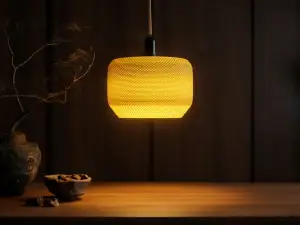


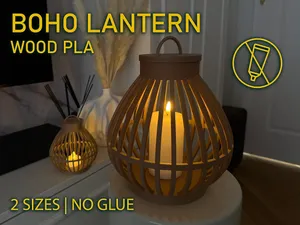


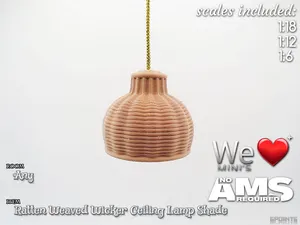
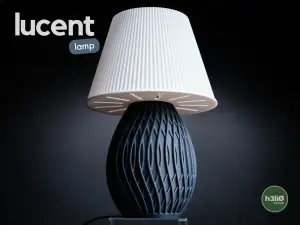

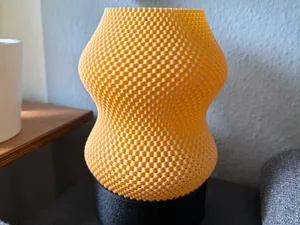
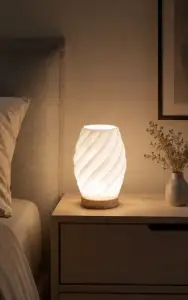

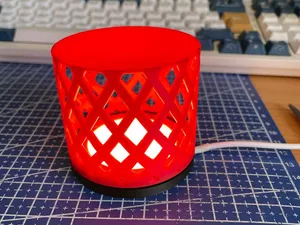
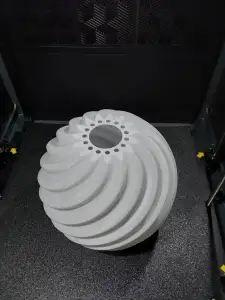

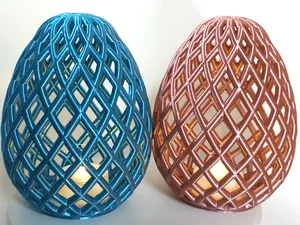
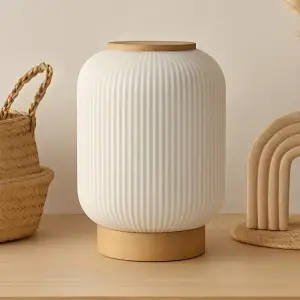

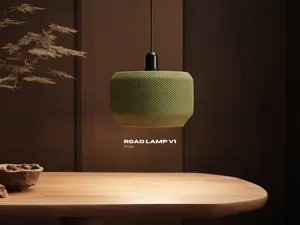
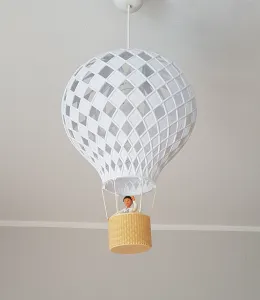

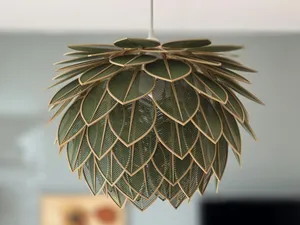

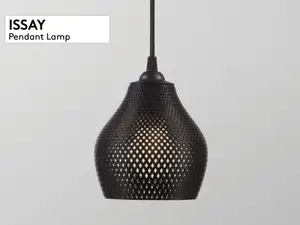

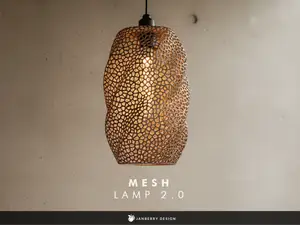

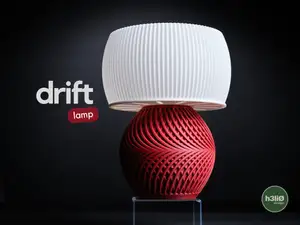

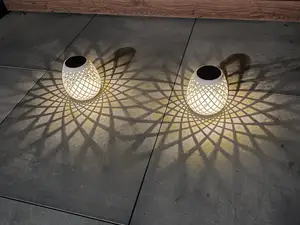

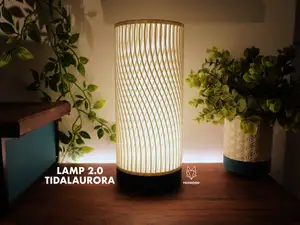

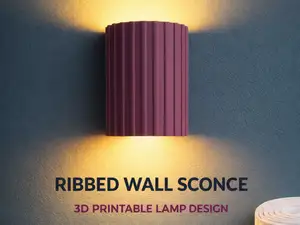

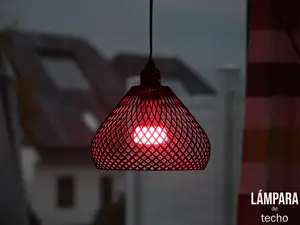


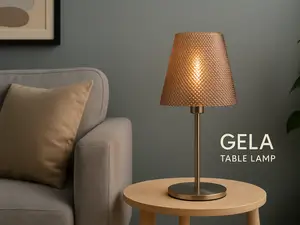

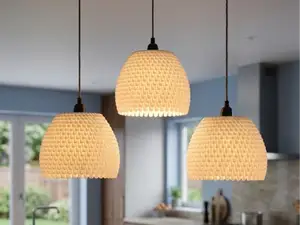

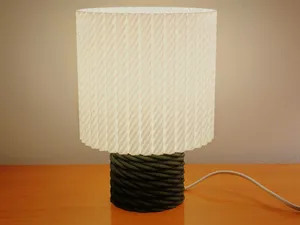
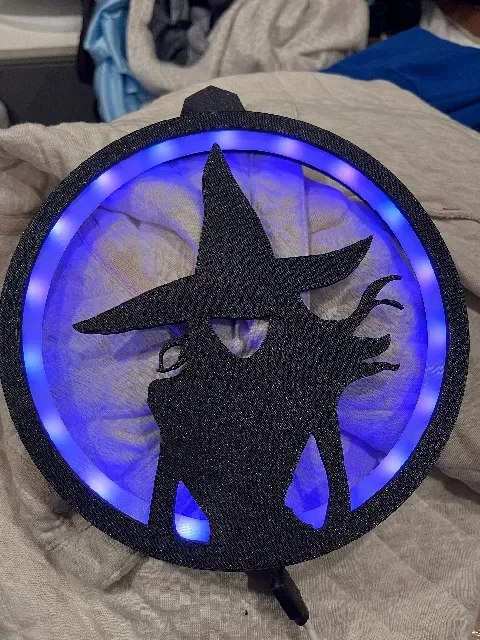
The reference shows several distinct directions. There are shades that imitate woven rattan or basket texture, often as a single printed shell or as a two-size set. Alongside them sit spiral and wave shades, which get their look from geometry rather than surface pattern, and lanterns or candle covers that are closed shapes with openings for light. A further group is small LED lamp assemblies, where the printed part is a housing or panel combined with an electronics kit, plus seasonal pieces tied to winter and holiday scenes.
When choosing a model, open the author's page and read the practical details first. Check the socket type and diameter the shade is built around, the overall size and scale, and whether the design is one printed piece or several parts that need assembly or glue. Look at the wall thickness and how close the printed material sits to the bulb, then compare that with the material and settings the author lists. Photos of real prints are the most useful signal for how the woven texture actually comes out.
To widen the search, try synonyms and related wording: rattan, basket weave, woven, wicker, lantern, lampshade, ceiling lamp, table lamp, spiral vase. Combining a style word with a socket or fixture word usually narrows results faster than a single broad term. Related topics such as lithophane shades, LED kits and holiday village scenes are worth checking if you want a different kind of light rather than a woven surface.



Le catalogue complet des thèmes, de la maison à la CNC, avec une recherche sur tous les sites connectés.