
Gratuit 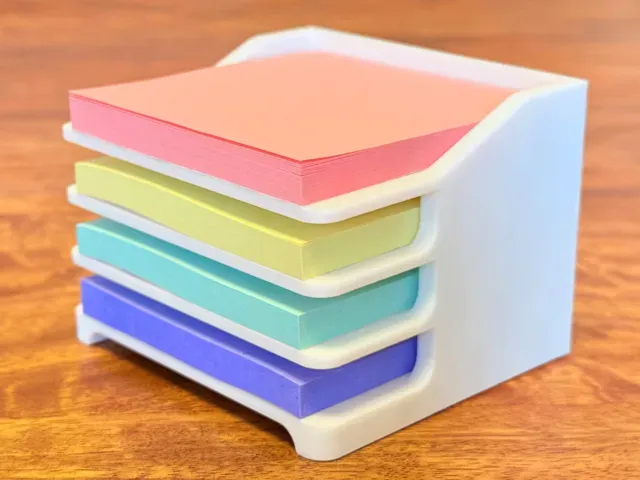
Sticky Note Paper Tray
MakerWorld
This collection gathers 3D models of paper trays for desks, shelves and under-desk mounting, sized mainly around A4, A5 and Letter sheets. Many of them are stackable or modular, so a set can grow with the amount of paper you keep at hand. The files are meant for 3D printing, and each listing shows the geometry and the settings its author used. Polyzon does not confirm whether models are free, their price, license, official status, affiliation, safety or fitness. Check the current terms at the source.
Le texte de cette collection est rédigé en anglais ; la recherche, elle, fonctionne dans toutes les langues.
 Une collection Polyzon · 48 modèles sur 5 plateformes
Polyzon compose cette collection à partir des résultats de recherche des plateformes connectées. Les doublons et les modèles sans aperçu sont retirés, les correspondances faibles sont placées à la fin, et le reste suit l’ordre de la recherche. Les modèles appartiennent à leurs auteurs : consultez les conditions sur la page de chaque modèle.
Règles de sélection : la rédaction de Polyzon · Texte mis à jour le 11/10/2026
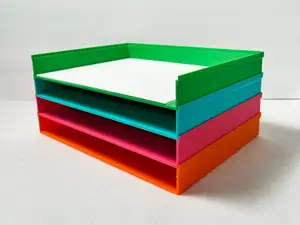


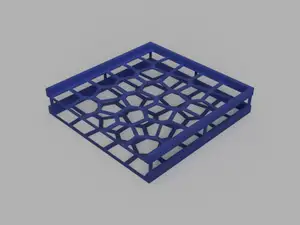

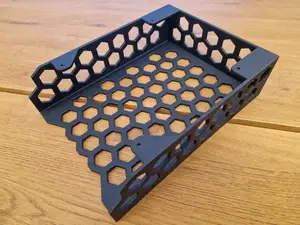


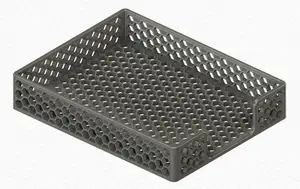
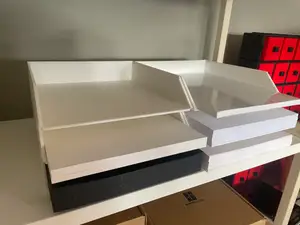

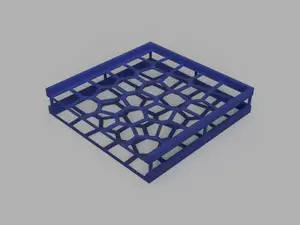
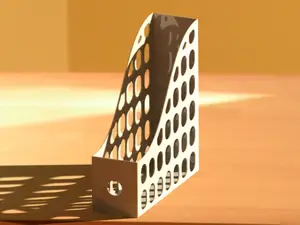

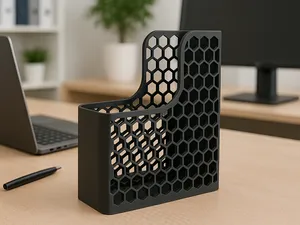

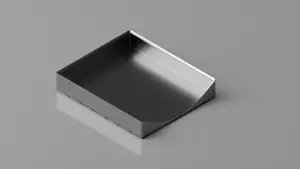
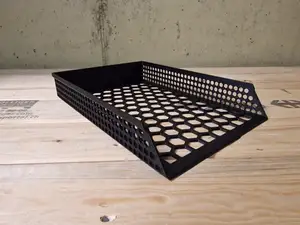

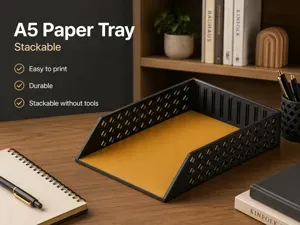

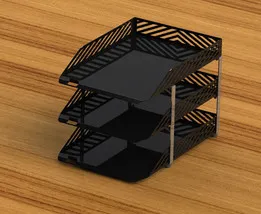

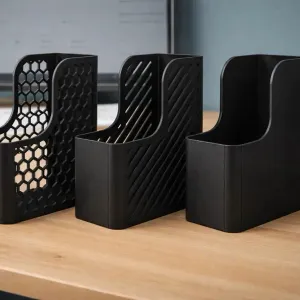
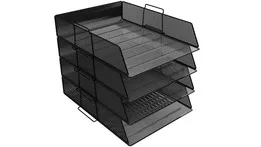


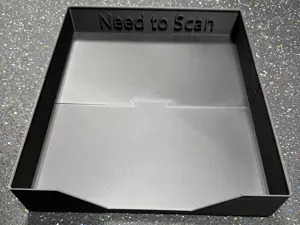

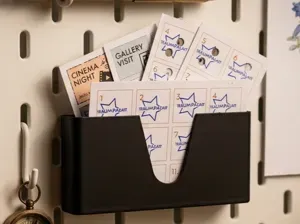


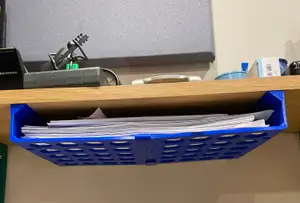
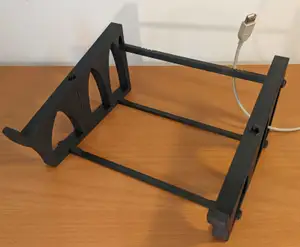
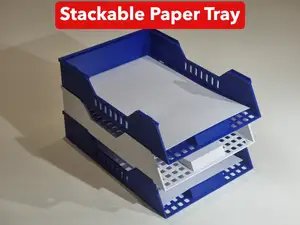

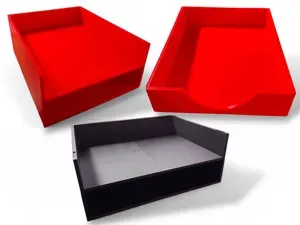
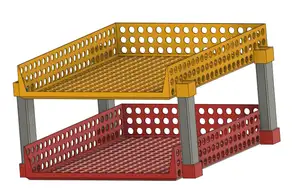


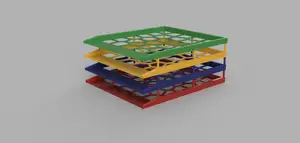
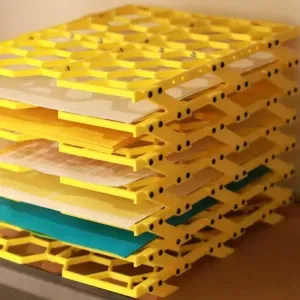
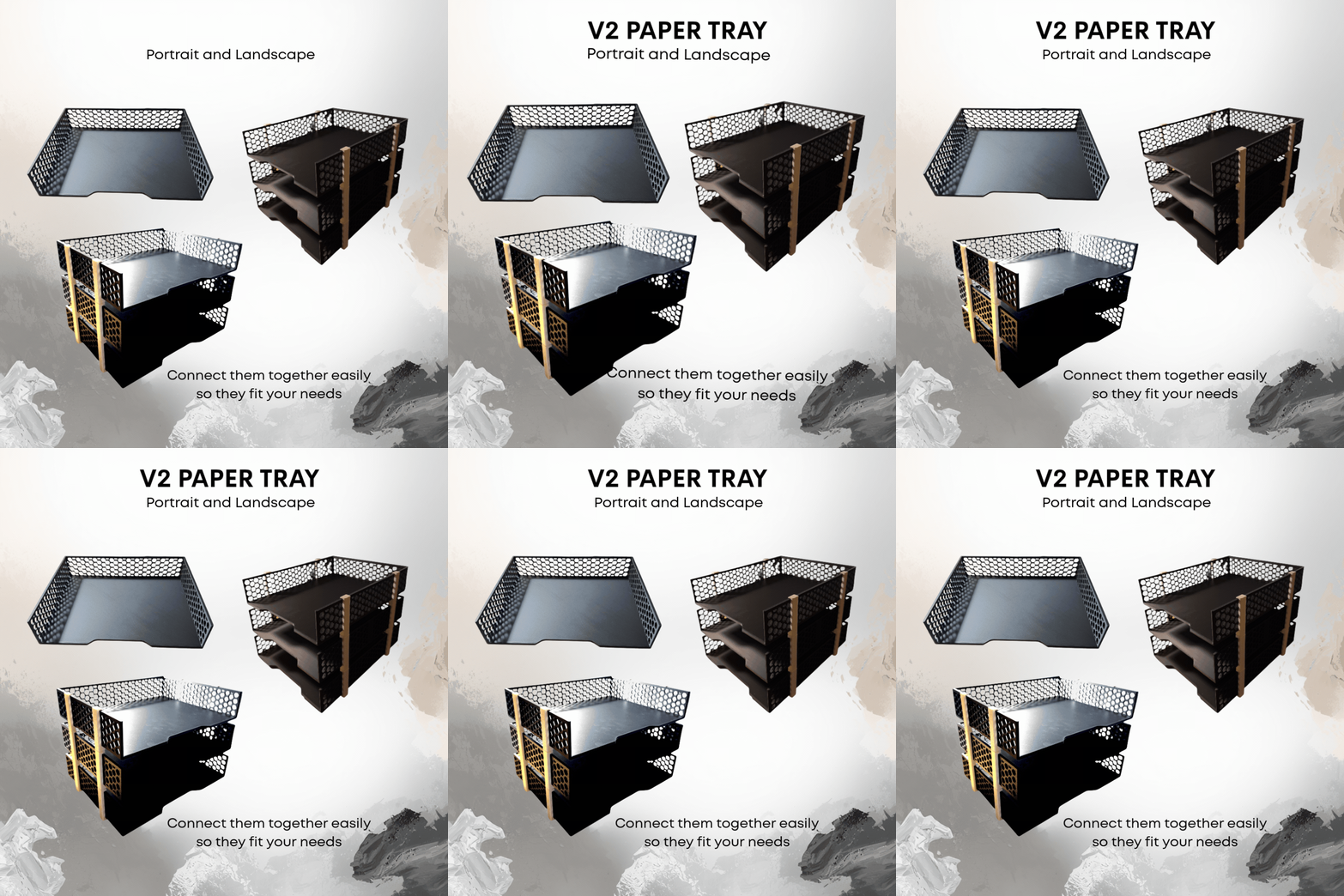
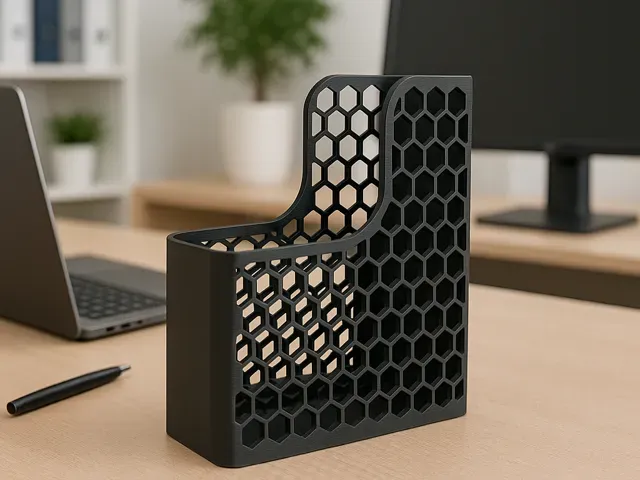
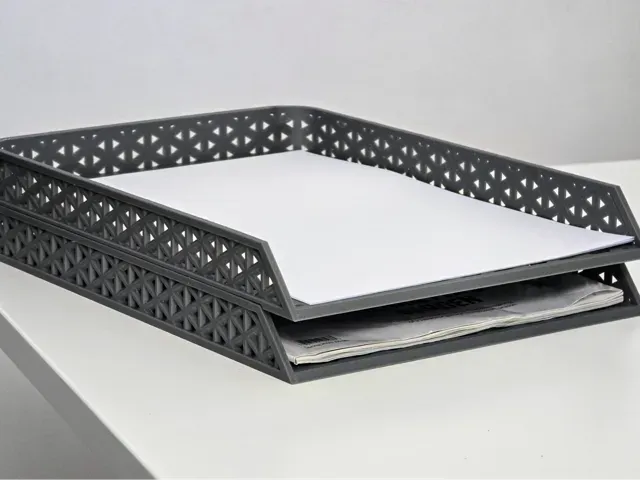
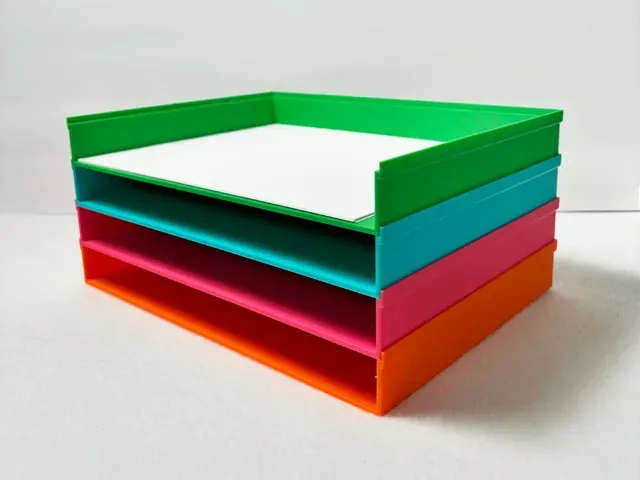
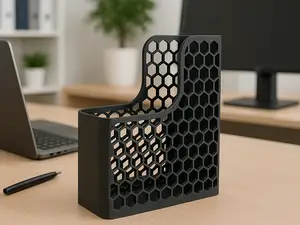
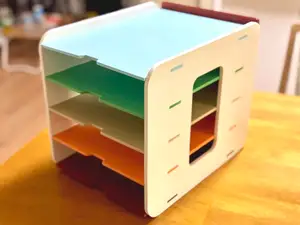
The models fall into a few recognizable groups. Stackable and modular trays are built as single units that sit on top of each other, sometimes with side rails or interlocking edges. Hexagonal trays use angled walls and a wider footprint, which changes how much desk space a row of them takes. There are also combined desk organizers, where a tray shares a body with compartments for notes or small stationery, and vertical, under-desk or wall-mounted versions that hold sheets upright or keep the desk surface clear.
Before printing, open the model page and look at the dimensions rather than the name alone: sheet format, internal width, wall thickness and overall height decide whether a stack fits your shelf. Check how many parts a tray consists of and whether they are joined by clips, rails or glue, and read the author's notes on supports, orientation and material, since tall thin walls and large flat bases behave differently. Photos of real prints are the quickest way to judge how a tray looks once assembled and loaded with paper.
If the results feel narrow, try other wording for the same object: document tray, letter tray, paper sorter, desk organizer or inbox tray. Related searches include A4, A5 and Letter formats, plus terms such as stackable, modular, hexagonal, vertical or under-desk, which describe the shape and placement rather than the purpose. Combining a format with a placement word usually narrows the list faster than a single broad query.

Le catalogue complet des thèmes, de la maison à la CNC, avec une recherche sur tous les sites connectés.