Gratuit 
BD-1 Star Wars Jedi fallen order Lifesize
Thingiverse
This collection gathers 1:1 sword 3D models: replicas of game and anime weapons, cosplay props with scabbards, retractable blade designs and brick-built versions. It is useful when you want a full-length blade rather than a small figurine, and need to plan a 3D printing job around a long, narrow shape. The listings come from several platforms, so each model page has its own files and notes. Polyzon does not confirm whether models are free, their price, license, official status, affiliation, safety or fitness. Check the current terms at the source.
Le texte de cette collection est rédigé en anglais ; la recherche, elle, fonctionne dans toutes les langues.
 Une collection Polyzon · 48 modèles sur 4 plateformes
Polyzon compose cette collection à partir des résultats de recherche des plateformes connectées. Les doublons et les modèles sans aperçu sont retirés, les correspondances faibles sont placées à la fin, et le reste suit l’ordre de la recherche. Les modèles appartiennent à leurs auteurs : consultez les conditions sur la page de chaque modèle.
Règles de sélection : la rédaction de Polyzon · Texte mis à jour le 14/10/2026
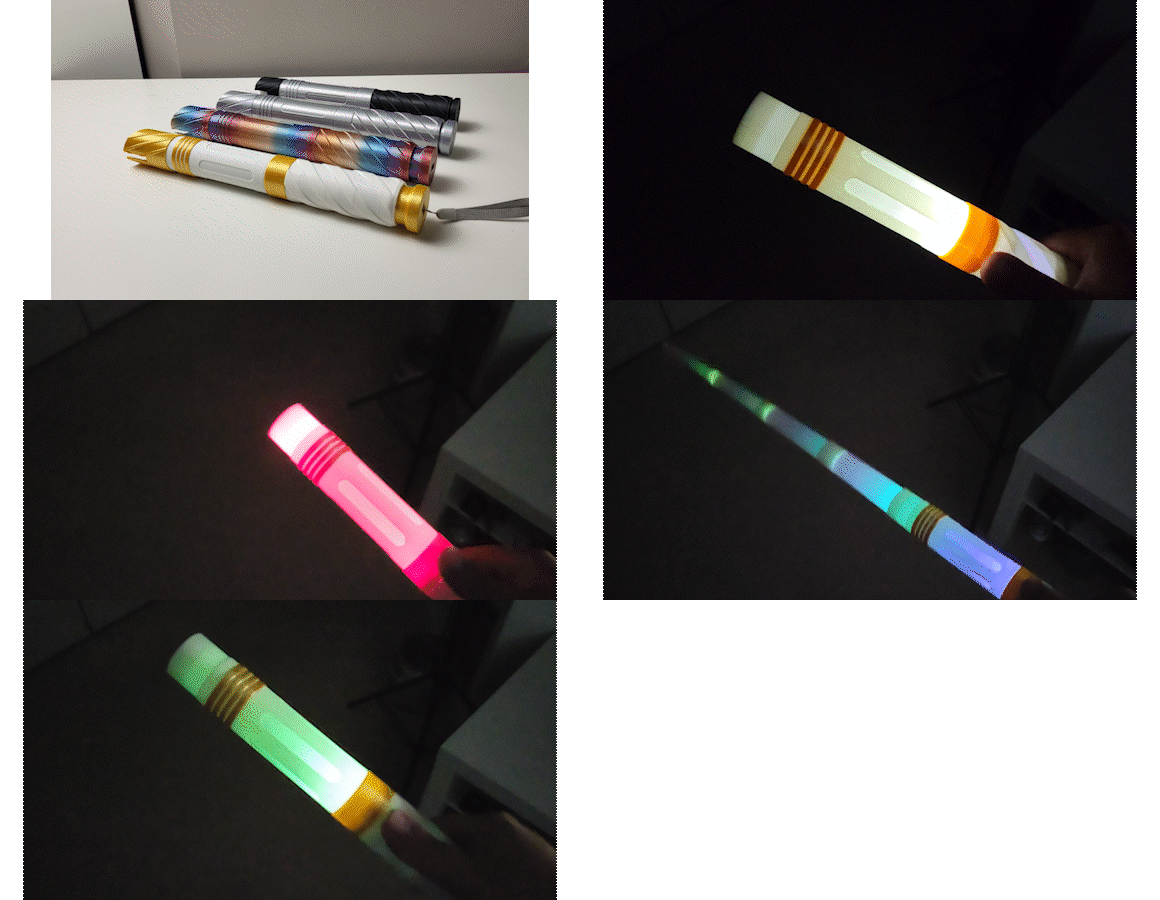


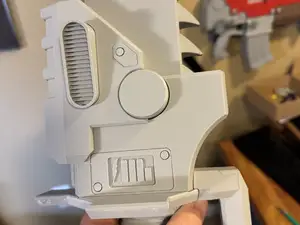


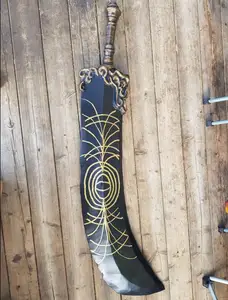


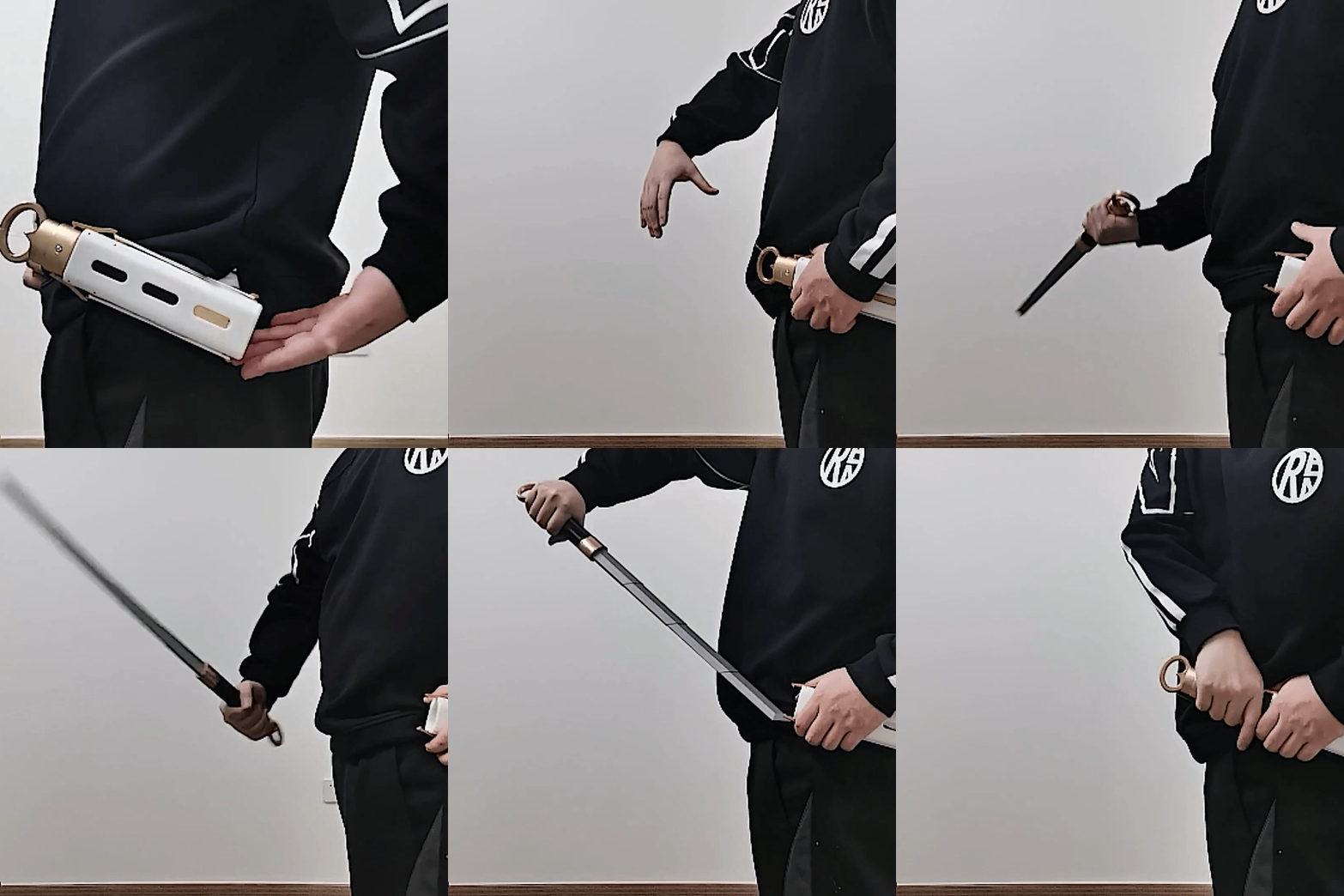





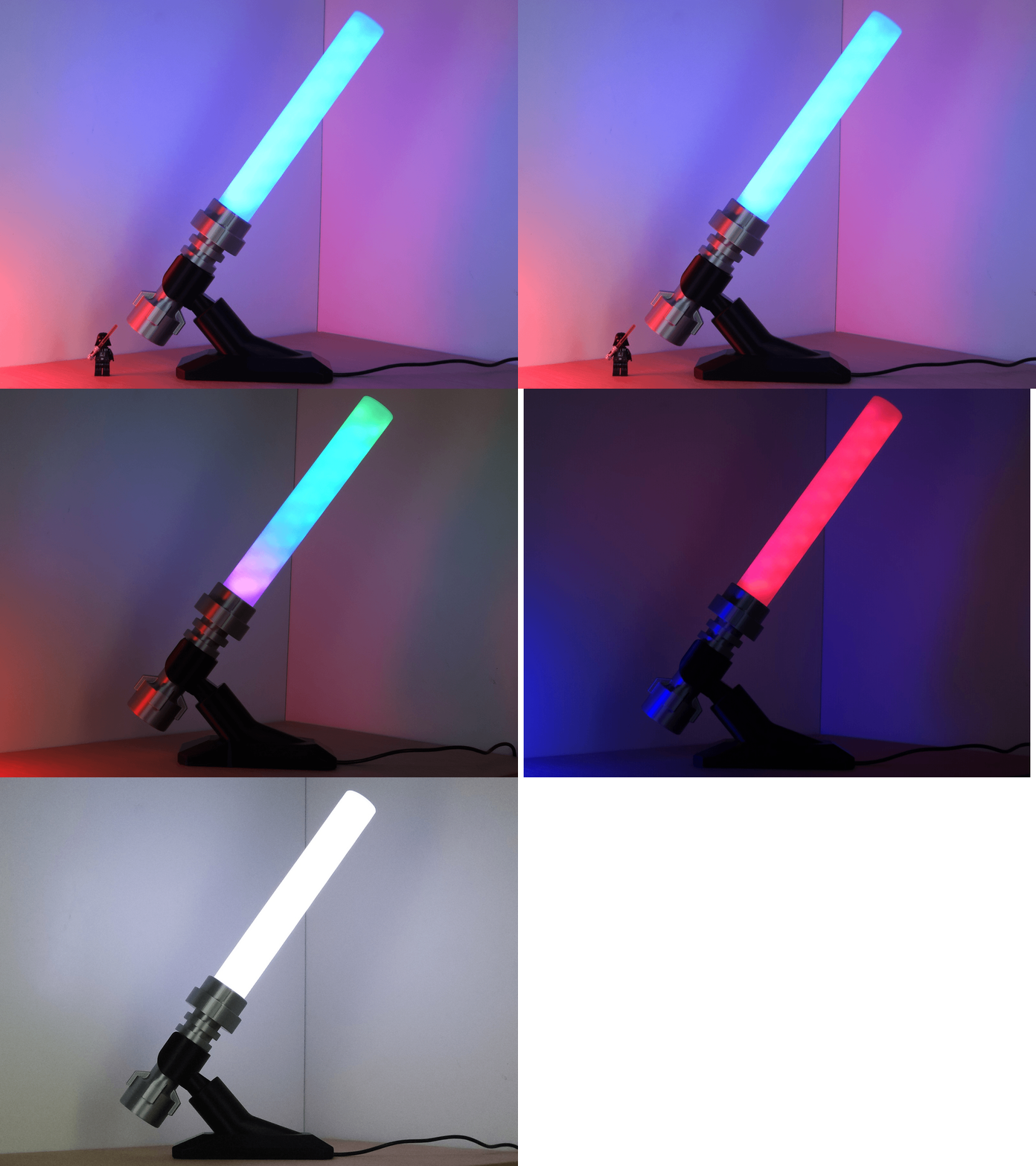


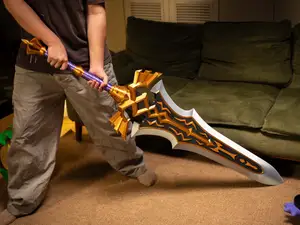


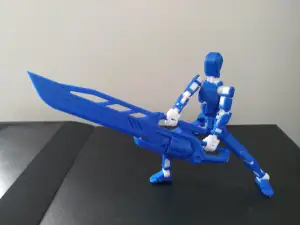


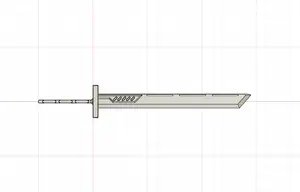
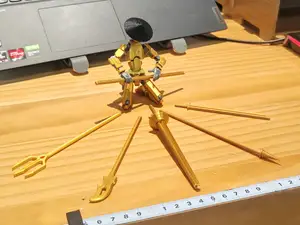


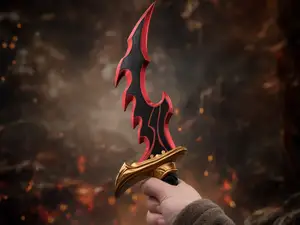


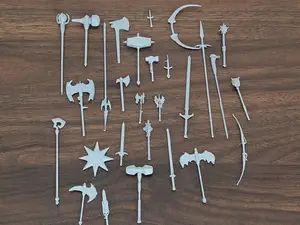


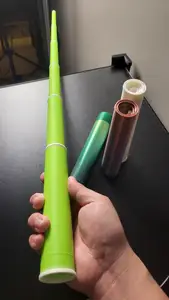
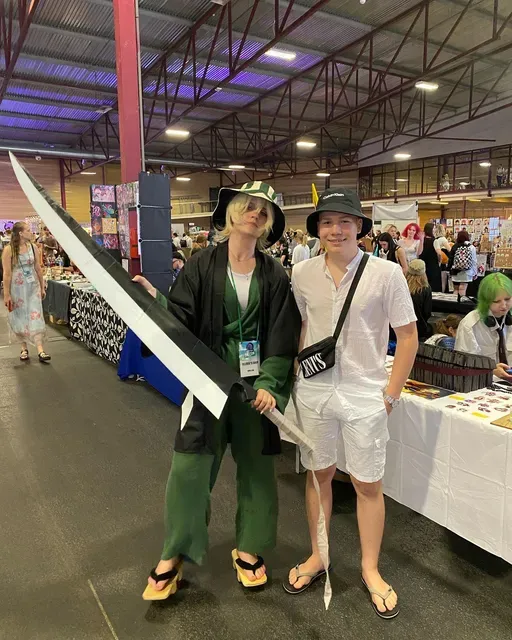
The models differ mainly in length, part count and how the blade is built. Replica swords from games and anime usually follow the proportions of the original design, while cosplay props often include a scabbard or sheath and are split into sections so they fit a smaller build volume. Retractable and mechanical designs add moving parts, and brick-built swords are assembled from small interlocking pieces rather than printed as one solid shape.
Before starting, read the model page for overall length and scale, the number of parts and how they join, and whether the author expects supports. Long blades are sensitive to orientation: a blade printed flat behaves differently from one printed upright, and wall thickness and infill affect how a thin section holds up. Check the material and settings the author lists, and look at photos of real prints to judge surface finish and seams between segments.
If the results are too narrow, try synonyms such as katana, longsword, greatsword, rapier or dagger, and add words like prop, replica, sheath or scabbard. Related searches include weapon packs, display stands and wall mounts, which often appear alongside sword models. Combining a character or series name with a scale term usually narrows the list faster than a single generic word.
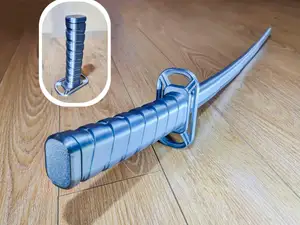


Le catalogue complet des thèmes, de la maison à la CNC, avec une recherche sur tous les sites connectés.