Gratuit 
One Piece Compliant Mechanism Blaster (Mark Rober)
Thingiverse
This collection gathers 3D models built around moving parts: compliant mechanisms, locks, gear trains, linkages, and differentials. You can use them to study how motion is transferred or to add a mechanical function to a 3D printing project. Each model page shows the parts and settings the author chose. Polyzon does not confirm whether models are free, their price, license, official status, affiliation, safety or fitness. Check the current terms at the source.
Le texte de cette collection est rédigé en anglais ; la recherche, elle, fonctionne dans toutes les langues.
 Une collection Polyzon · 48 modèles sur 7 plateformes
Polyzon compose cette collection à partir des résultats de recherche des plateformes connectées. Les doublons et les modèles sans aperçu sont retirés, les correspondances faibles sont placées à la fin, et le reste suit l’ordre de la recherche. Les modèles appartiennent à leurs auteurs : consultez les conditions sur la page de chaque modèle.
Règles de sélection : la rédaction de Polyzon · Texte mis à jour le 13/10/2026
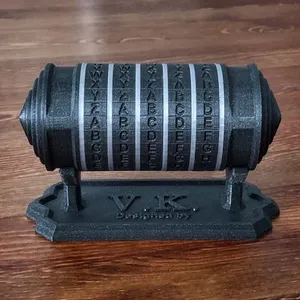


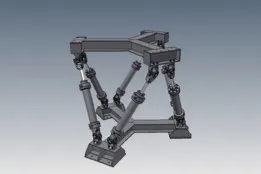
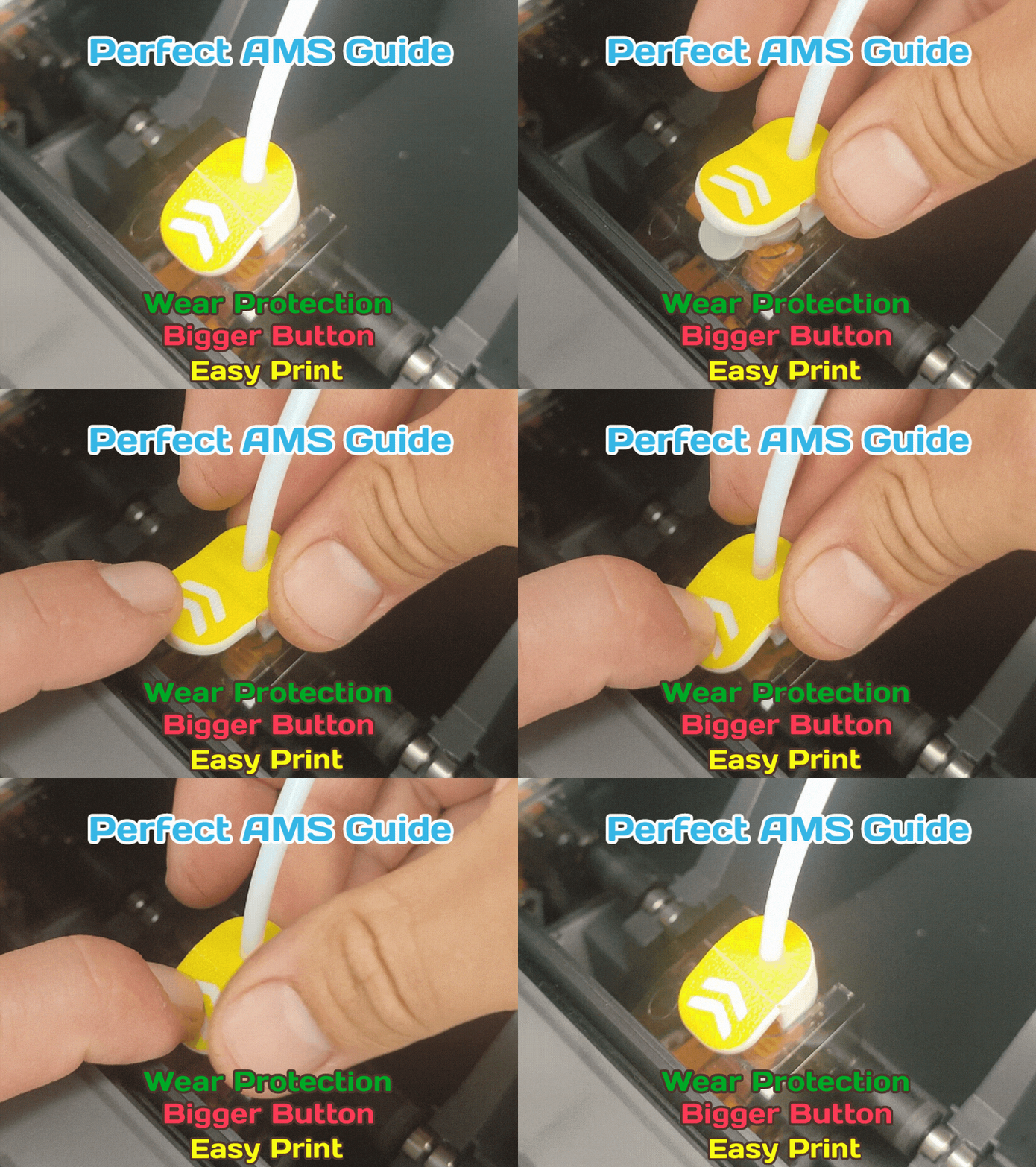


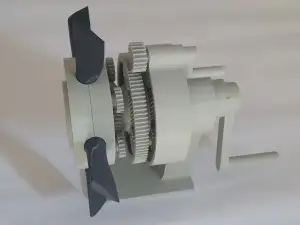
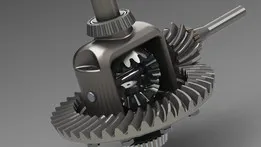
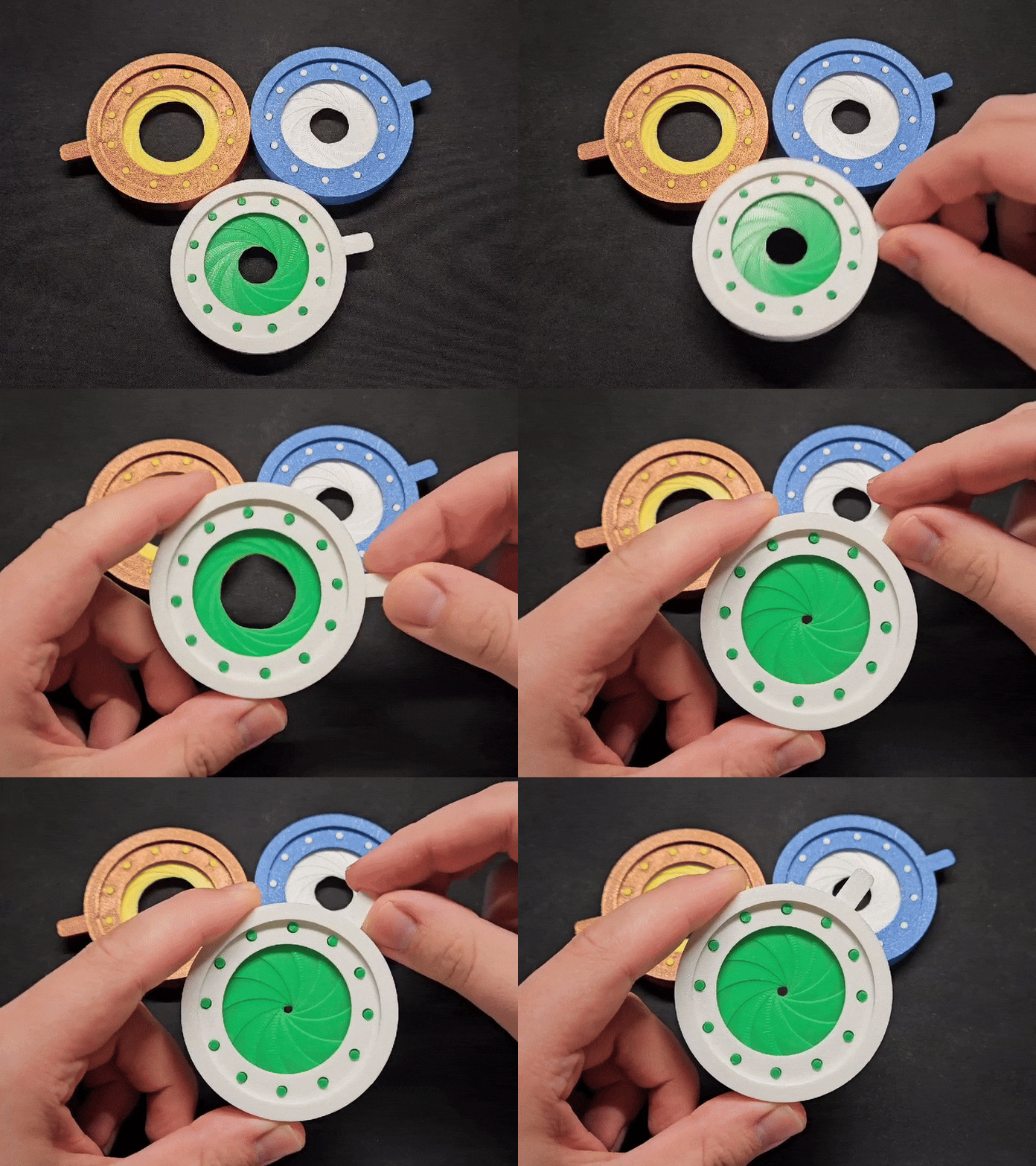


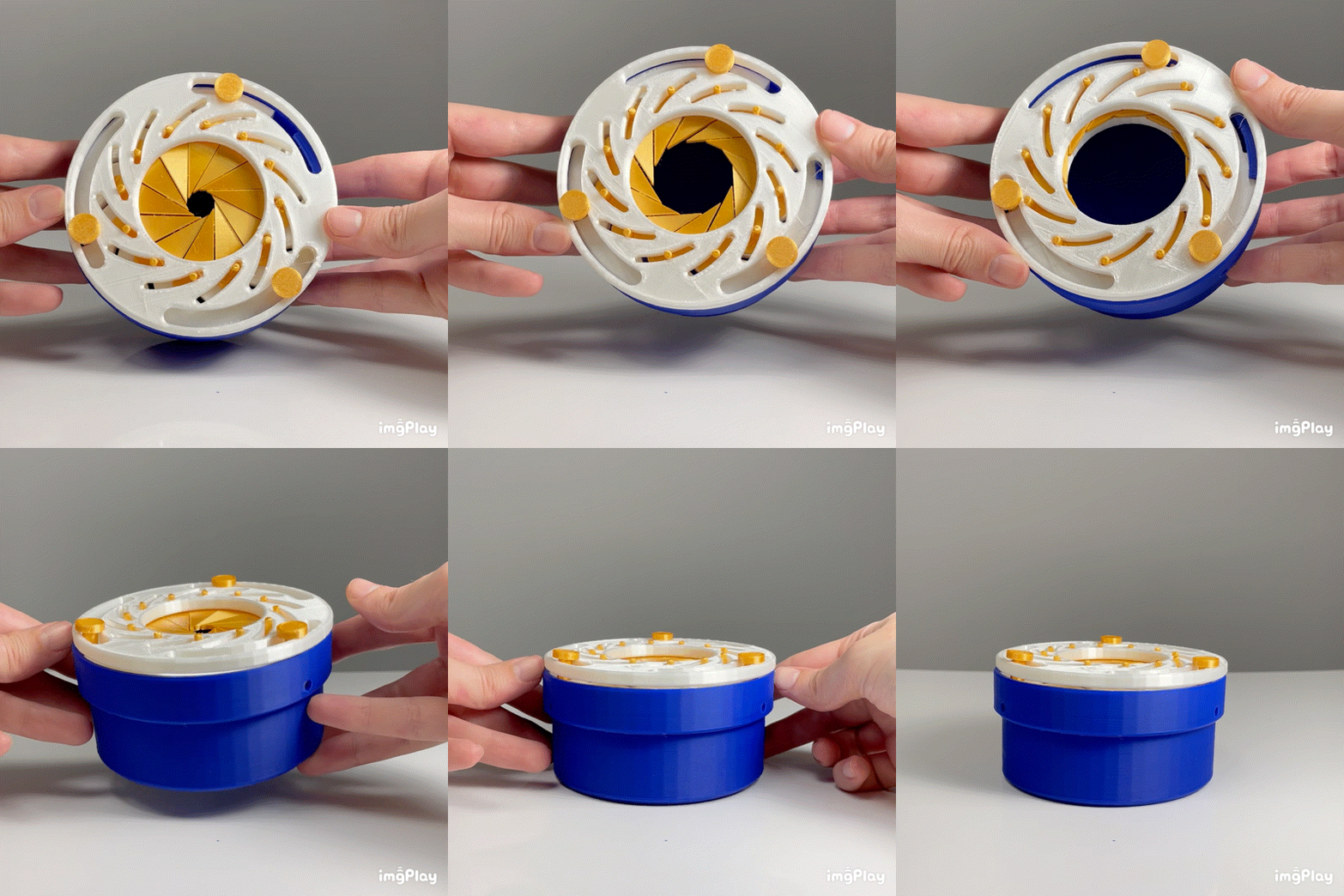
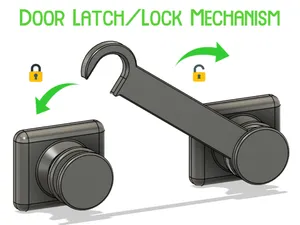

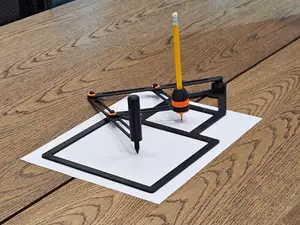



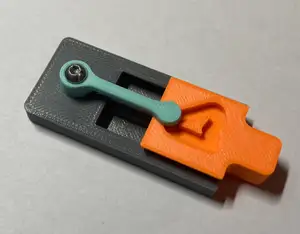
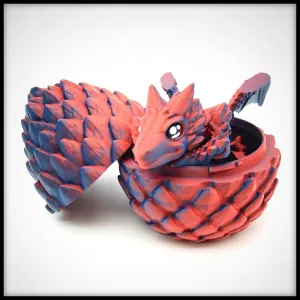

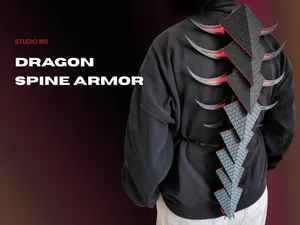

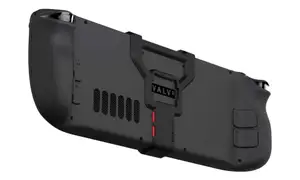
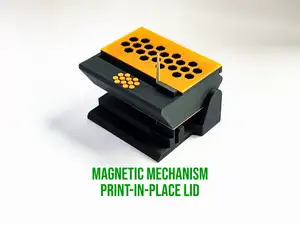
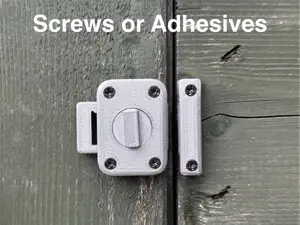



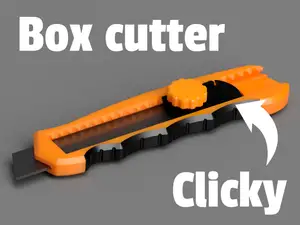
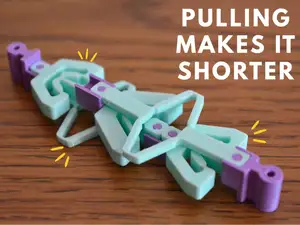


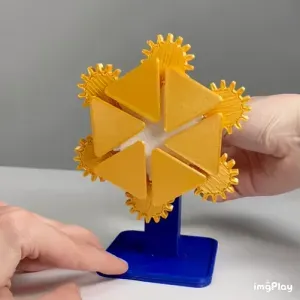
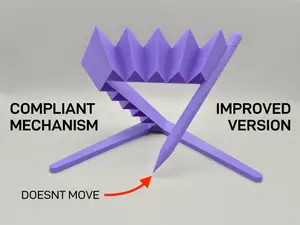
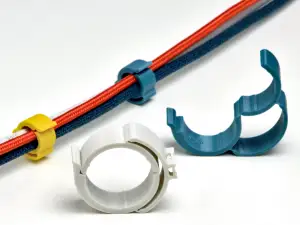

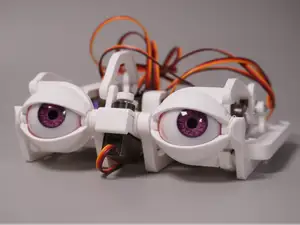

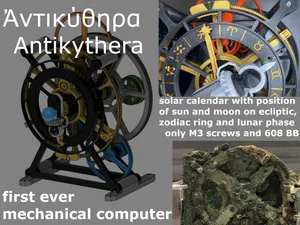
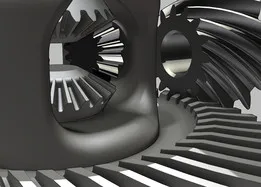
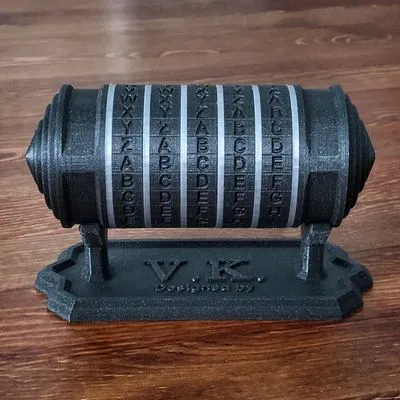
Mechanisms in this set range from compliant parts that bend to transfer motion to assemblies with separate gears, cams, and linkages. Locking and latching designs focus on holding a position, while differentials and parallel linkages split or redirect movement. Some entries are small fidget or desk pieces, and others are functional parts for a larger build.
Before printing, check the listed size and scale, the number of parts, and whether the author expects supports or assembly. Look at the material and settings noted on the model page, because clearances and flex depend on layer height, wall thickness, and the filament used. Photos of real prints help you judge how the moving parts fit and where friction may appear.
To narrow the collection, try terms such as compliant mechanism, planetary gear, Geneva drive, iris, latch, hinge, and cam. Related searches include robotics, automata, clockwork, and mechanical toys, which often use the same motion principles. Combining a mechanism type with a function, like lock or propeller, can surface more specific results.




Le catalogue complet des thèmes, de la maison à la CNC, avec une recherche sur tous les sites connectés.