
Gratuit 
LTB Weather Station
Thingiverse
This collection gathers 3D-printable parts for weather station builds, from wind and rain sensors to housings for displays and electronics. Most entries are designed around common microcontroller boards, so the printed parts and the electronics are planned together. It is useful if you are assembling a station for a garden, balcony or roof and want the mechanical side handled by 3D printing. Polyzon does not confirm whether models are free, their price, license, official status, affiliation, safety or fitness. Check the current terms at the source.
Le texte de cette collection est rédigé en anglais ; la recherche, elle, fonctionne dans toutes les langues.
 Une collection Polyzon · 48 modèles sur 4 plateformes
Polyzon compose cette collection à partir des résultats de recherche des plateformes connectées. Les doublons et les modèles sans aperçu sont retirés, les correspondances faibles sont placées à la fin, et le reste suit l’ordre de la recherche. Les modèles appartiennent à leurs auteurs : consultez les conditions sur la page de chaque modèle.
Règles de sélection : la rédaction de Polyzon · Texte mis à jour le 15/10/2026


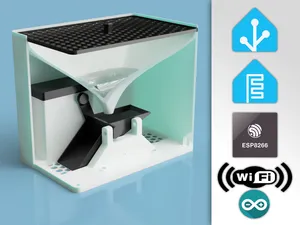


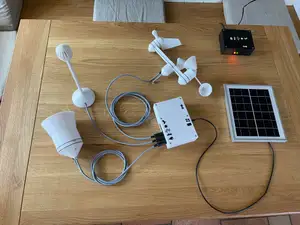
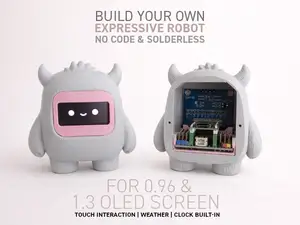


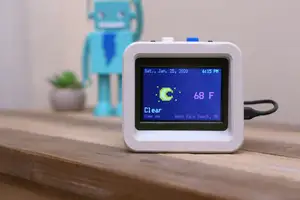
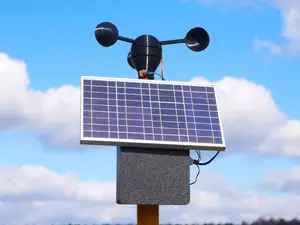


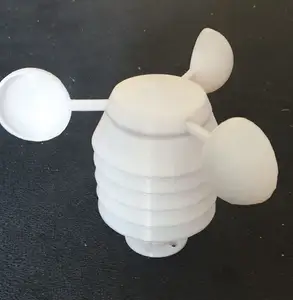


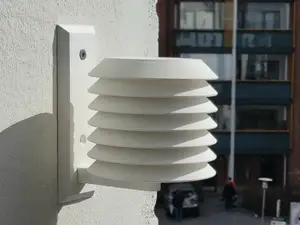
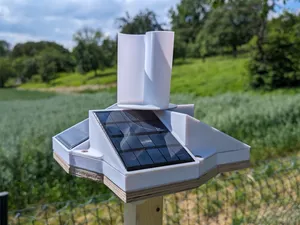


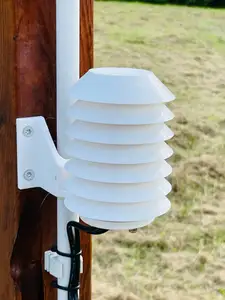
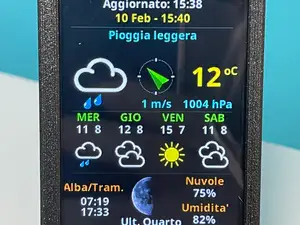


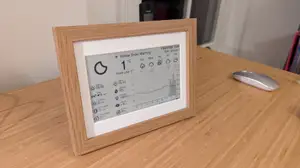
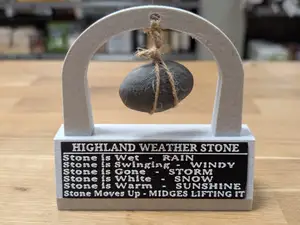


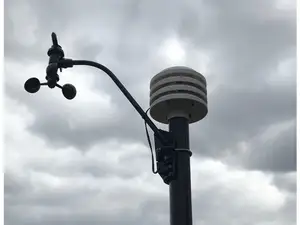
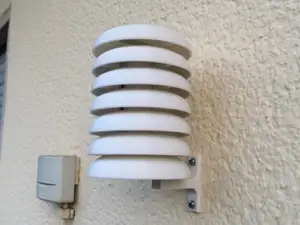


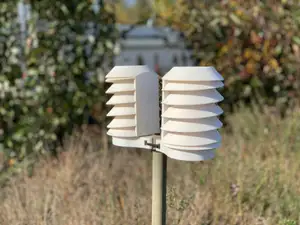
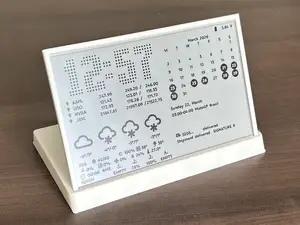


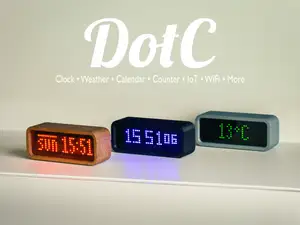


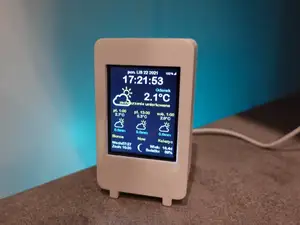

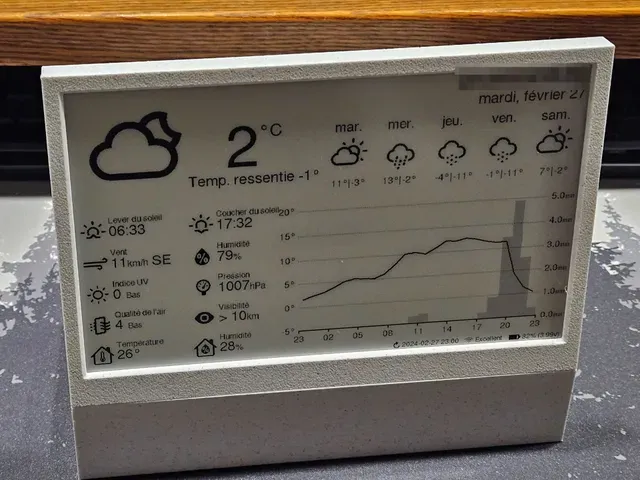
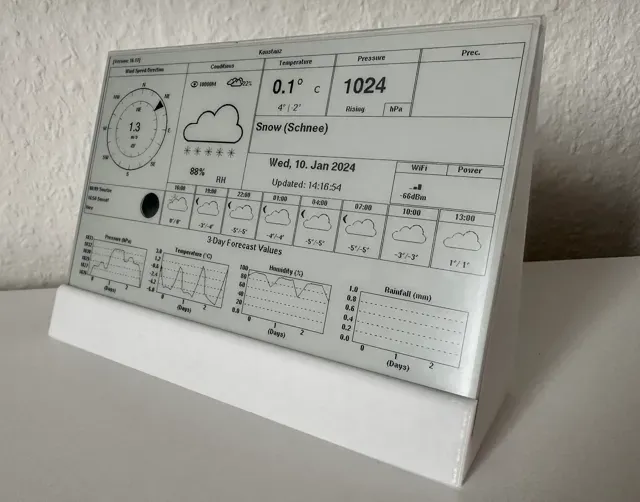
The models fall into a few groups. Some are complete station bodies that hold a board, a sensor set and a screen in one assembly. Others cover a single instrument, such as an anemometer, a wind vane or a rain gauge, and are meant to be combined with parts you already have. A third group is enclosure work: radiation shields that keep temperature sensors out of direct sun, and cases sized for e-paper or colour displays.
Before printing, open the author's page and read the listed dimensions and scale, since sensor mounts often depend on a specific bearing, magnet or board size. Check how many separate parts the model has and how they join, whether screws, magnets or glue are used, and whether the overhangs need support material. The material and settings the author lists matter for outdoor use, as does the shaft diameter for spinning parts. Photos of real prints show how the assembly fits together better than renders do.
If a search returns little, try the names of the individual instruments instead of the whole station: anemometer, wind vane, rain gauge, radiation shield, sensor housing. Related terms such as weather display, e-paper case, ESP32 enclosure or solar shield often lead to the same kind of parts. You can also search by the board you plan to use, or by the mounting method, such as pole mount or wall bracket.



Le catalogue complet des thèmes, de la maison à la CNC, avec une recherche sur tous les sites connectés.