
Gratuit 
4-Channel Relay Module Case
Thingiverse
This collection gathers 3D models built around the idea of modules: parts that repeat, stack or connect into a larger whole. It covers shelving and storage systems, drawer organizers, housings for electronic boards, add-ons for 3D printers and lighting parts. The range is useful when you want to extend a setup over time instead of printing one fixed object. Polyzon does not confirm whether models are free, their price, license, official status, affiliation, safety or fitness. Check the current terms at the source.
Le texte de cette collection est rédigé en anglais ; la recherche, elle, fonctionne dans toutes les langues.
 Une collection Polyzon · 48 modèles sur 5 plateformes
Polyzon compose cette collection à partir des résultats de recherche des plateformes connectées. Les doublons et les modèles sans aperçu sont retirés, les correspondances faibles sont placées à la fin, et le reste suit l’ordre de la recherche. Les modèles appartiennent à leurs auteurs : consultez les conditions sur la page de chaque modèle.
Règles de sélection : la rédaction de Polyzon · Texte mis à jour le 14/10/2026


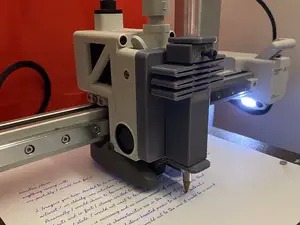
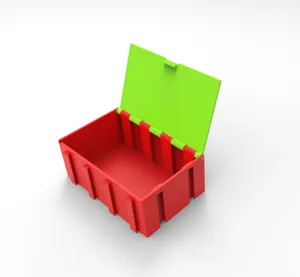
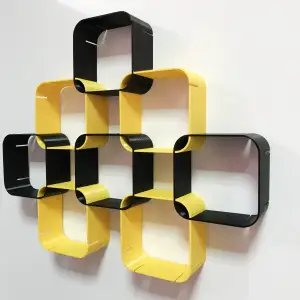

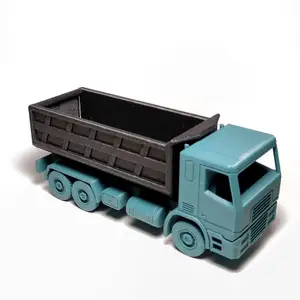
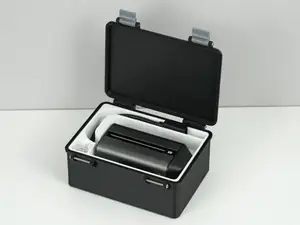
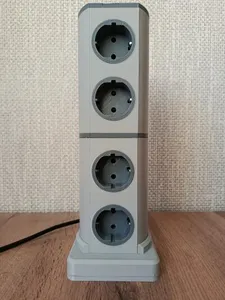
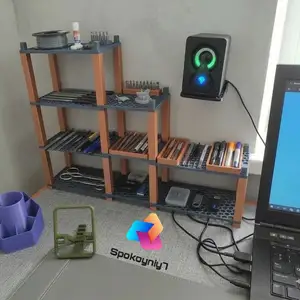



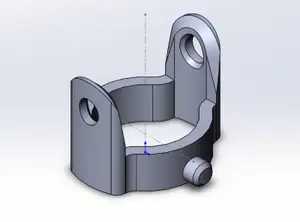
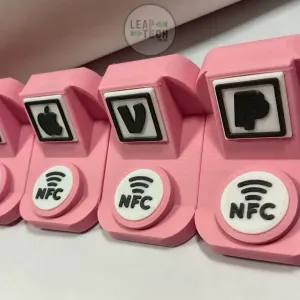

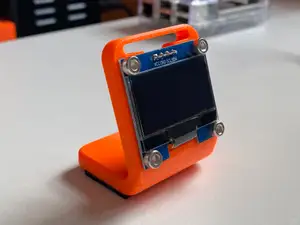
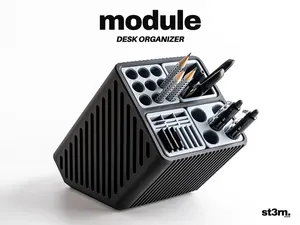

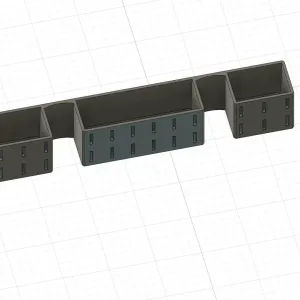


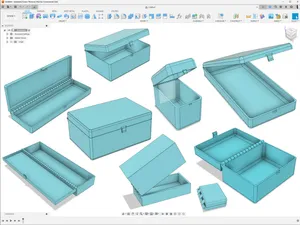
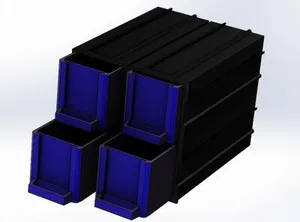
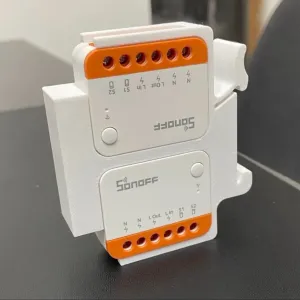



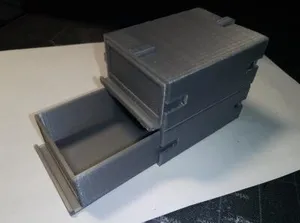
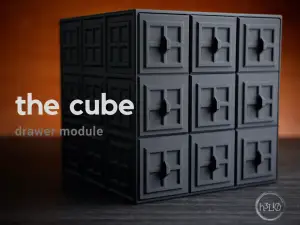


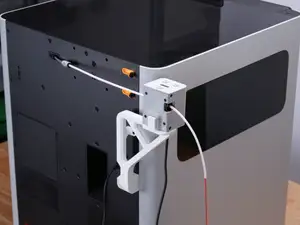
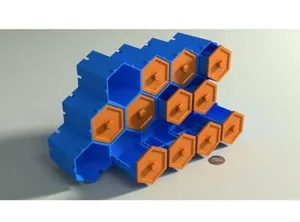
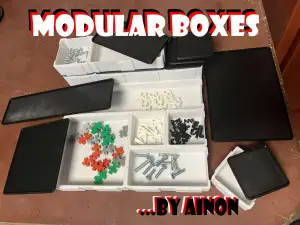


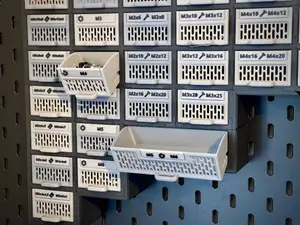
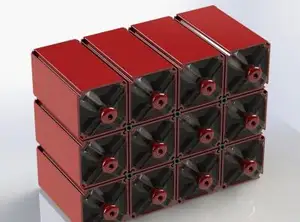
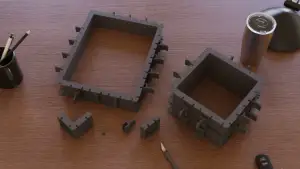


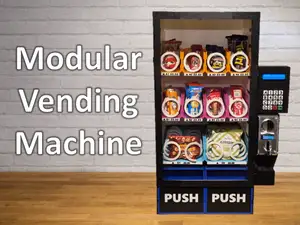
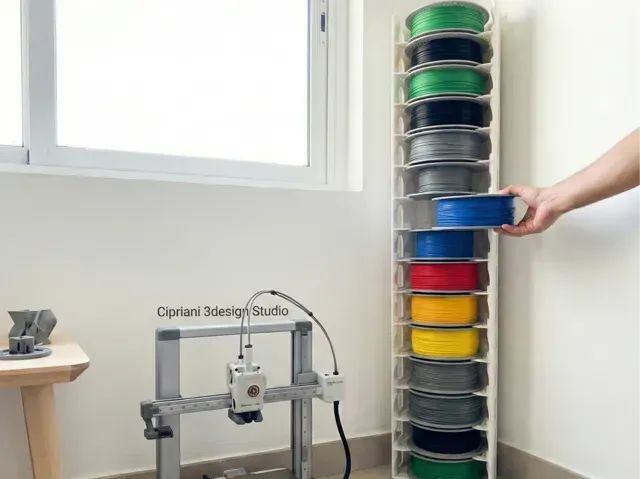
Storage and furniture modules usually consist of repeated frames, shelves or drawer bodies that can be added one by one. Drawer and desk organizers work at a smaller scale, with trays and inserts sized for specific items. Electronic modules appear as cases and mounts that hold a board, a charger or a cable run, while printer add-ons are parts that attach to a machine and change how it works. Lighting modules and decorative pieces follow the same logic but are judged more by appearance than by fit.
Before printing, look at the dimensions and scale stated on the model page, since modules from different authors rarely share the same grid. Check how many parts a unit contains, how they join, and whether the author notes supports or a particular orientation. For parts that slide, snap or thread together, the listed material and settings matter more than usual, and photos of real prints show how the clearances came out.
To widen the search, try synonyms such as modular, stackable, expandable, add-on or system, and pair them with what you are building: shelving, desk organizer, spool storage, relay case, pegboard or lamp. Related topics like brackets, enclosures, trays and wall mounts often lead to modules that were not labelled that way. Narrowing by the object you want to hold is usually more effective than searching the word module alone.




Le catalogue complet des thèmes, de la maison à la CNC, avec une recherche sur tous les sites connectés.