
Gratuit 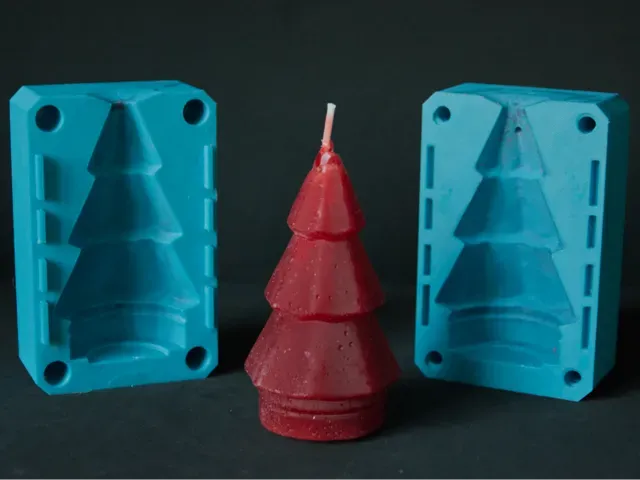
Candle Mold - Customizable
MakerWorld
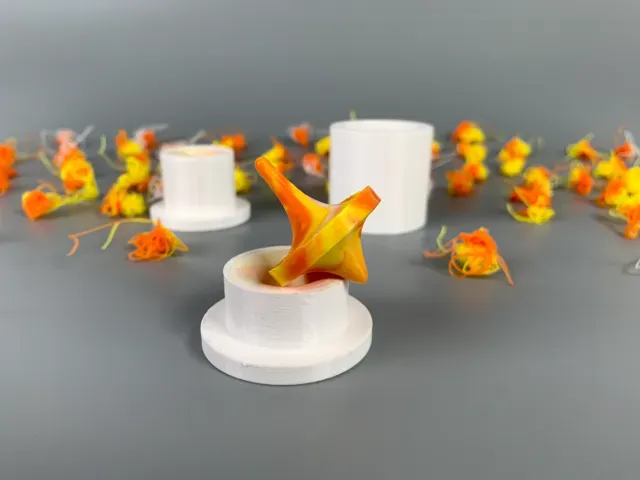
This collection brings together STL files for 3D-printed plaster molds, including forms for vases, jugs, ceramic casting, and decorative objects like columns and numerals. You will find designs for slip-casting pottery as well as molds for concrete and ornamental plasterwork. Using a 3D printer to produce mold masters lets you test shapes quickly before committing to final casting materials. Polyzon does not confirm whether models are free, their price, license, official status, affiliation, safety or fitness. Check the current terms at the source.
Le texte de cette collection est rédigé en anglais ; la recherche, elle, fonctionne dans toutes les langues.
 Une collection Polyzon · 45 modèles sur 3 plateformes
Polyzon compose cette collection à partir des résultats de recherche des plateformes connectées. Les doublons et les modèles sans aperçu sont retirés, les correspondances faibles sont placées à la fin, et le reste suit l’ordre de la recherche. Les modèles appartiennent à leurs auteurs : consultez les conditions sur la page de chaque modèle.
Règles de sélection : la rédaction de Polyzon · Texte mis à jour le 09/10/2026
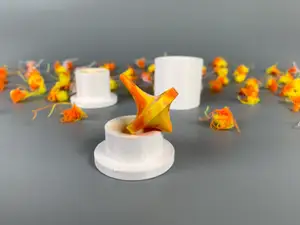



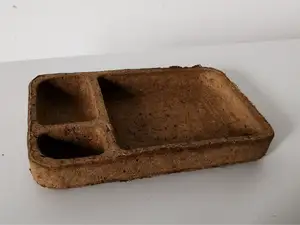


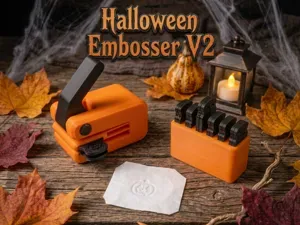
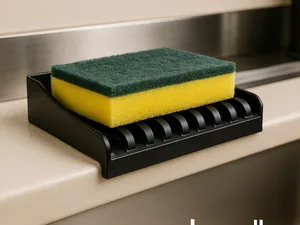
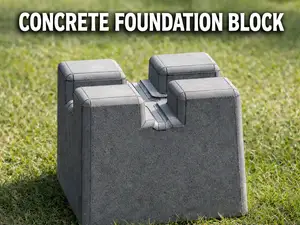

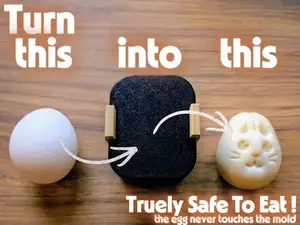
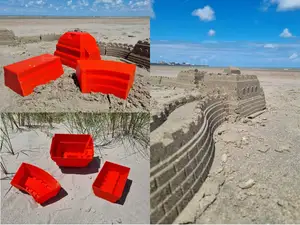
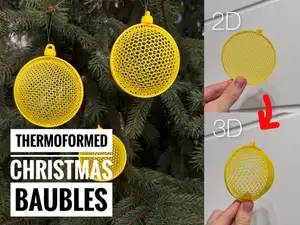

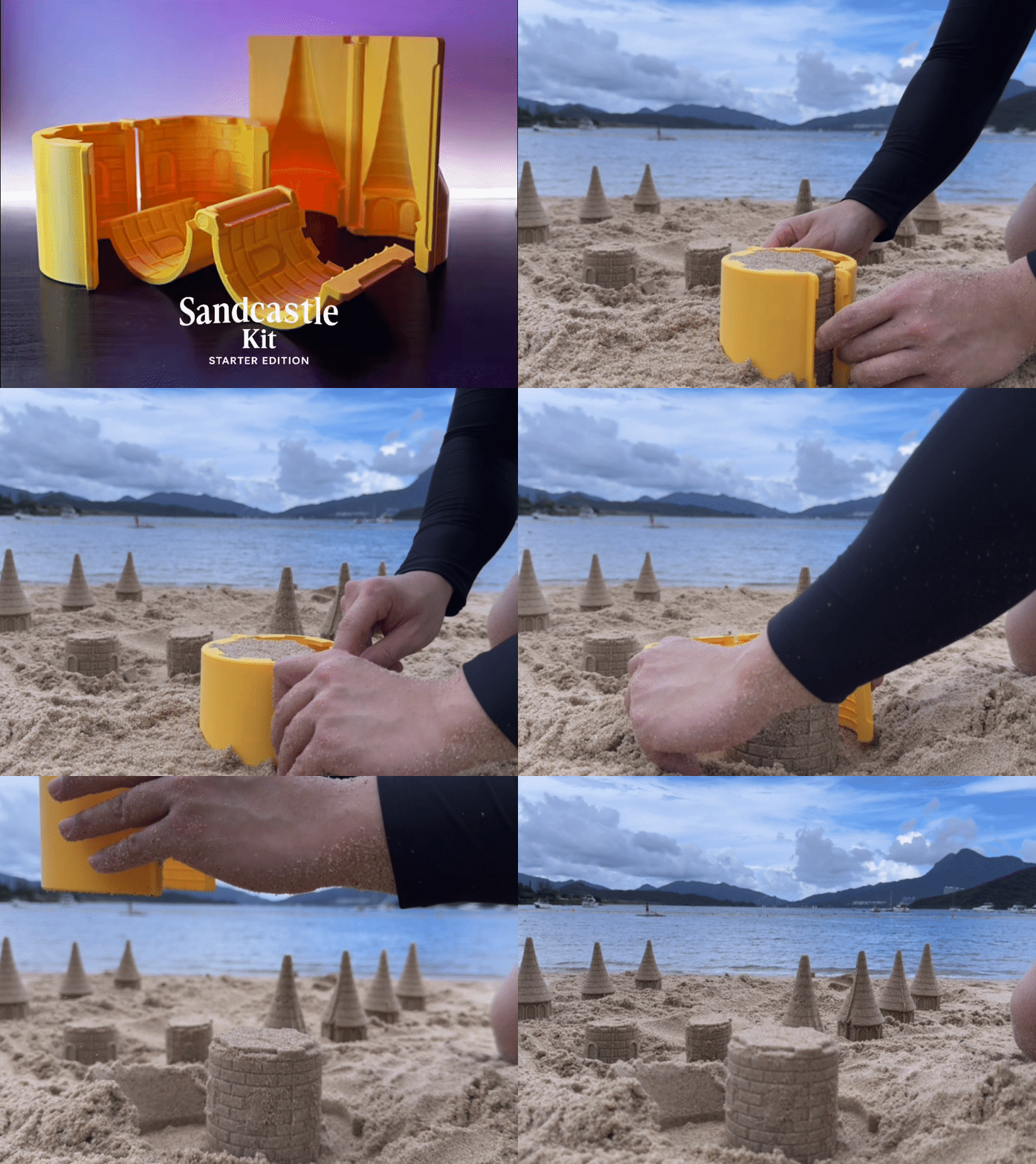
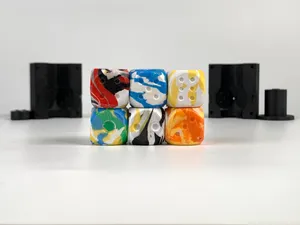
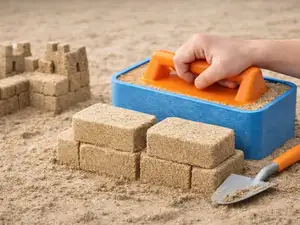


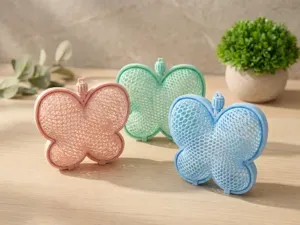

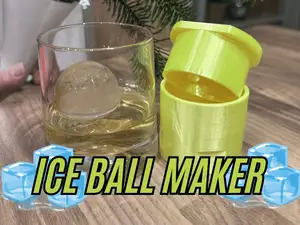
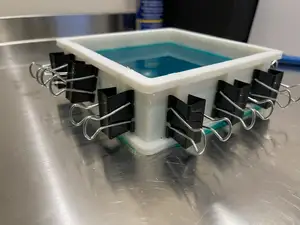
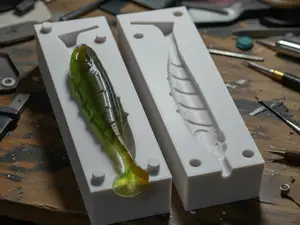
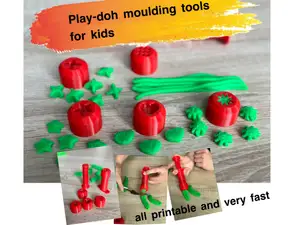

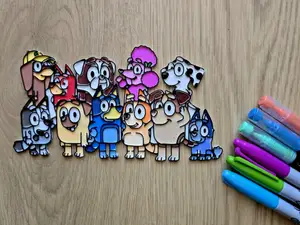
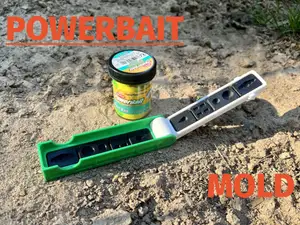

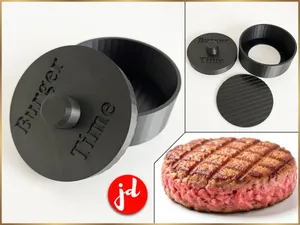

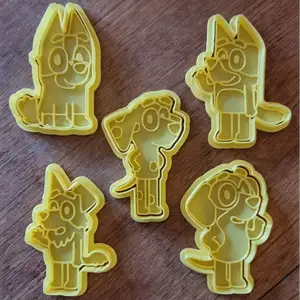





The results cover container molds for cups, pots and vases, flat-profile ceramic casting molds, and decorative pieces such as columns and textured buttons. Some designs are hollow slip-casting molds with registration keys, while others are open-backed forms for solid plaster casts. This variety means the same search can yield very different geometry depending on whether the goal is pottery production or ornamental craft.
Before downloading, look at the author's photos of real prints to see surface quality and seam lines. Check the model page for overall dimensions, part count and assembly method, because large molds often print in sections. Note the material and layer height the author recommends, and verify whether supports are needed for deep cavities or overhanging edges that could affect final cast detail.
If you need a specific form, try synonyms such as casting form, slip mold, or gypsum mold, and add words like vase, jug, or tile to narrow the shape. Related topics include ceramic tools, concrete planters, and candle holders, since many plaster mold designs serve those end uses. You can also filter by object size or complexity once you know whether you need a single-piece shell or a multi-part master.




Le catalogue complet des thèmes, de la maison à la CNC, avec une recherche sur tous les sites connectés.