
Gratuit 
HO Scale Logging Car
Thingiverse
This collection gathers STL files for parts that limit how far a window, door or sliding panel can move. It covers window stops, door limit blocks and small clips used on loggias, balconies and cabinet fronts. The models come from several platforms, so the same job can be solved in different ways depending on how the part is mounted. Polyzon does not confirm whether models are free, their price, license, official status, affiliation, safety or fitness. Check the current terms at the source.
Le texte de cette collection est rédigé en anglais ; la recherche, elle, fonctionne dans toutes les langues.
 Une collection Polyzon · 48 modèles sur 3 plateformes
Polyzon compose cette collection à partir des résultats de recherche des plateformes connectées. Les doublons et les modèles sans aperçu sont retirés, les correspondances faibles sont placées à la fin, et le reste suit l’ordre de la recherche. Les modèles appartiennent à leurs auteurs : consultez les conditions sur la page de chaque modèle.
Règles de sélection : la rédaction de Polyzon · Texte mis à jour le 15/10/2026


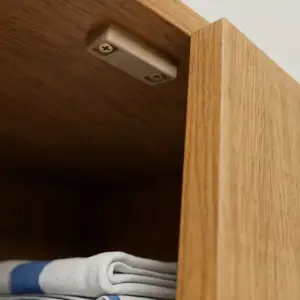

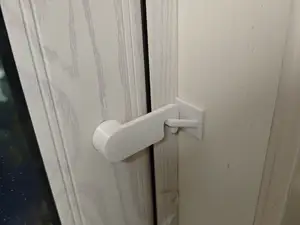
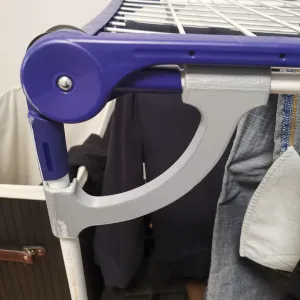

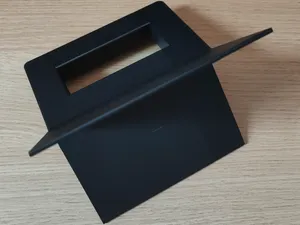
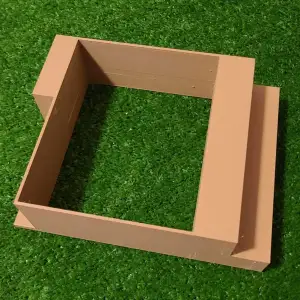

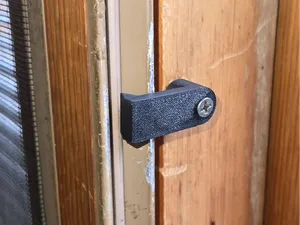
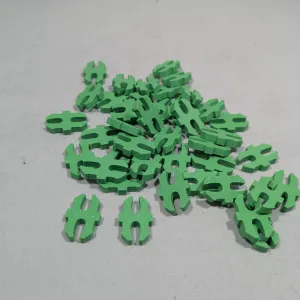

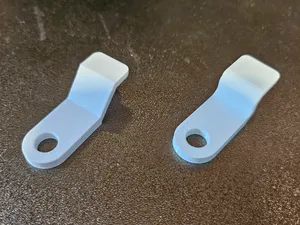
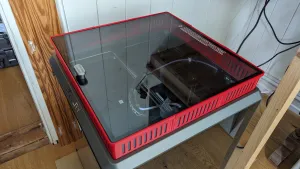

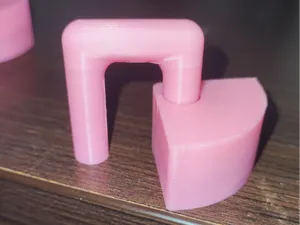
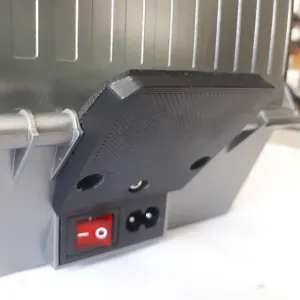

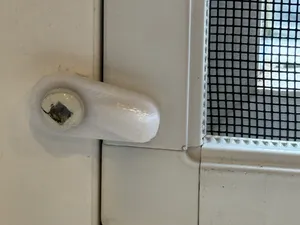
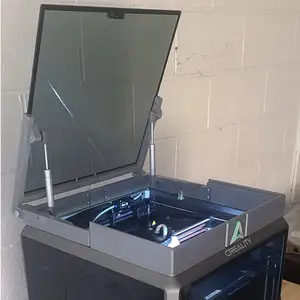

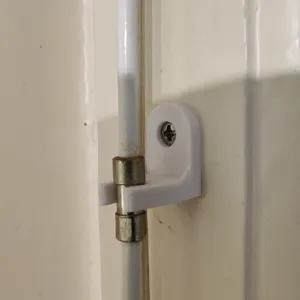


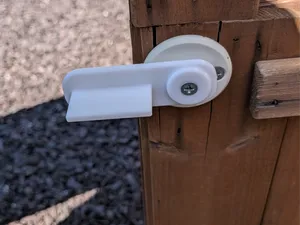
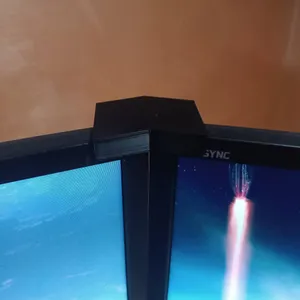

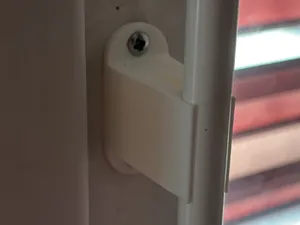


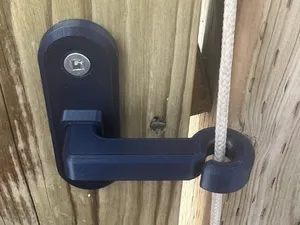
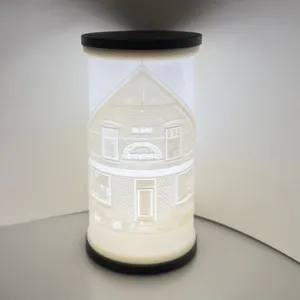

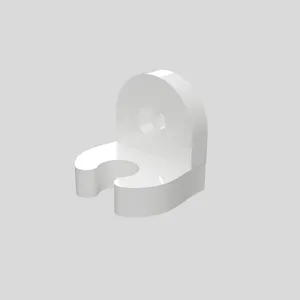
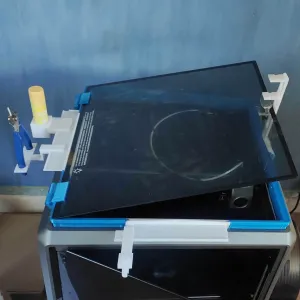

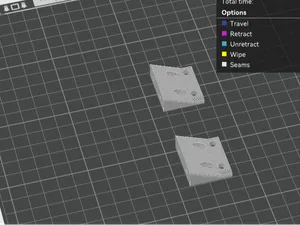


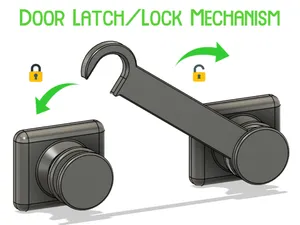

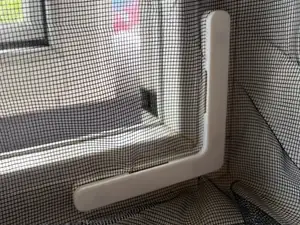

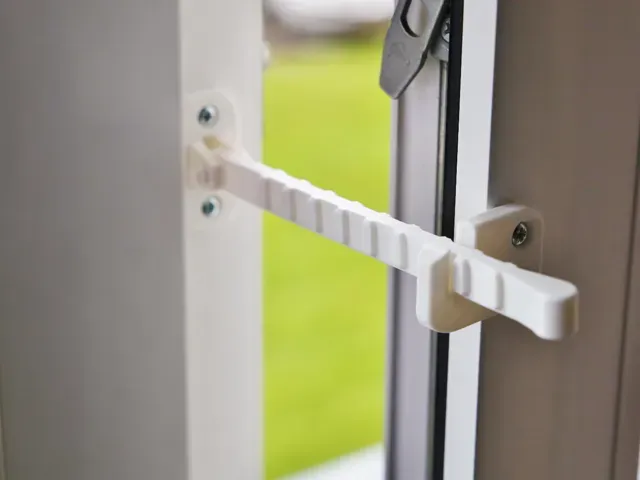
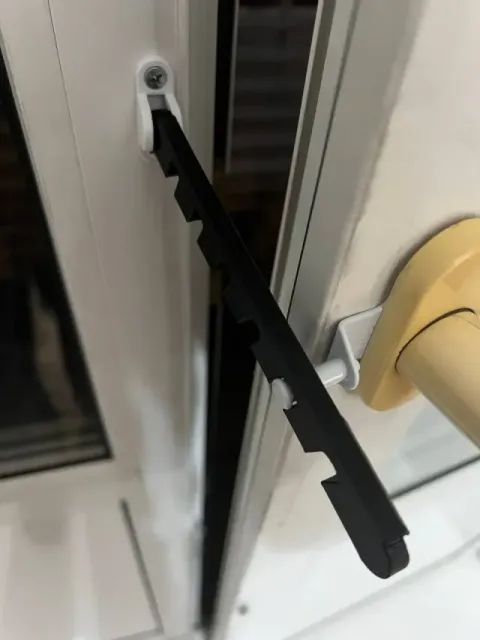
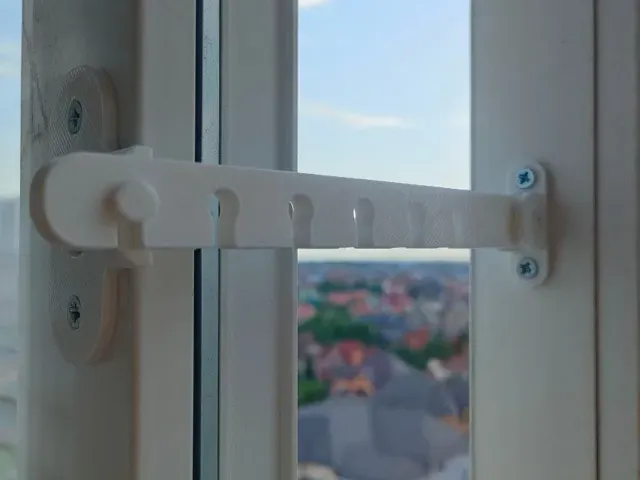
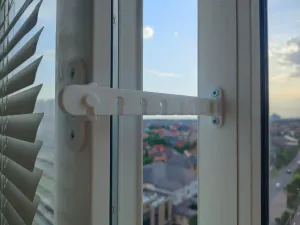
The most common group is window hardware: stops that hold a casement at a chosen angle, locks that block movement altogether, and holders that keep a sash in place. Door limiters appear as separate blocks or brackets that sit against a frame or floor and stop the leaf from swinging too far. A third group covers sliding panels and cabinet fronts, where a small clip or catch on a track keeps the panel from running past its end.
When choosing a model, look at how the part is fixed: screw holes, adhesive faces, clamp geometry or a friction fit. Check the listed size and scale against your own frame, the number of separate pieces, and whether the author notes supports or particular print orientation. Material matters too, since a part that takes repeated impact behaves differently in a stiff filament than in a flexible one. Photos of finished prints on the model page usually show the mounting side more clearly than renders.
If the first results are too narrow, try other words for the same idea: sash stop, casement catch, door bumper, sliding panel end stop, track clip, or window holder. Related searches such as balcony door hardware, loggia glazing parts or cabinet door catch often surface models filed under a different name. Combining a hardware term with the mounting type, for example screw-on or adhesive, narrows the list further.


Le catalogue complet des thèmes, de la maison à la CNC, avec une recherche sur tous les sites connectés.