
Gratuit 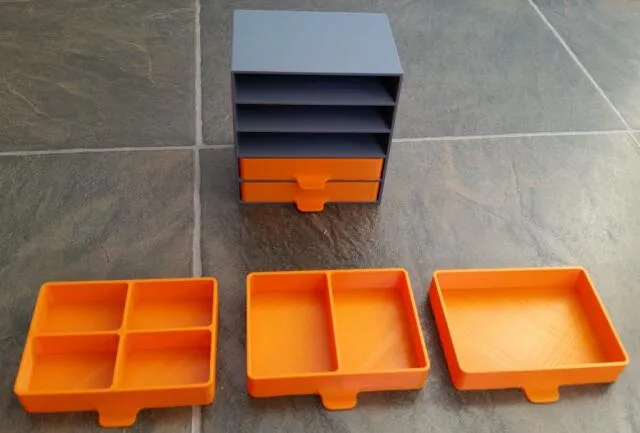
Органайзер для мелочи
3DToday
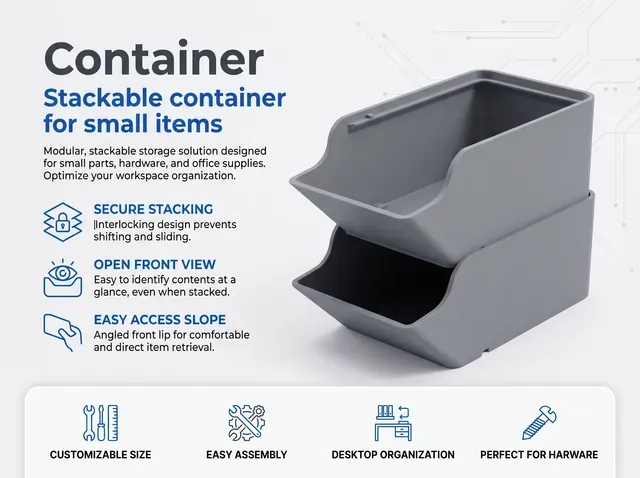
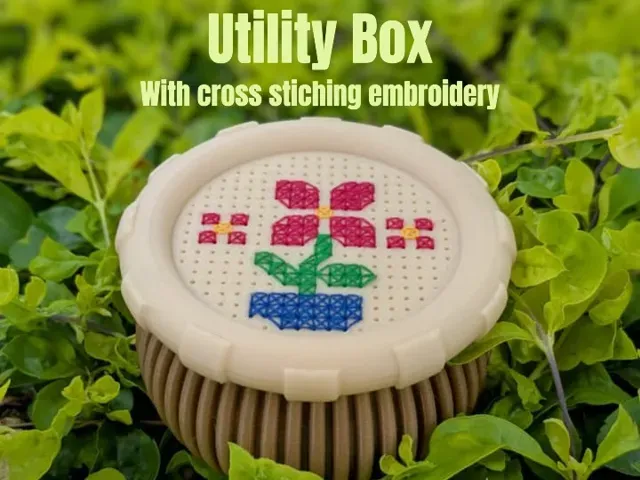
This collection gathers STL files for organizing small items: stackable bins, drawer inserts, desktop stands and lidded boxes. It is useful when you want a 3D printer to solve a specific storage problem instead of buying a ready-made tray. The models differ in size, wall thickness and how they combine with each other. Polyzon does not confirm whether models are free, their price, license, official status, affiliation, safety or fitness. Check the current terms at the source.
Le texte de cette collection est rédigé en anglais ; la recherche, elle, fonctionne dans toutes les langues.
 Une collection Polyzon · 48 modèles sur 5 plateformes
Polyzon compose cette collection à partir des résultats de recherche des plateformes connectées. Les doublons et les modèles sans aperçu sont retirés, les correspondances faibles sont placées à la fin, et le reste suit l’ordre de la recherche. Les modèles appartiennent à leurs auteurs : consultez les conditions sur la page de chaque modèle.
Règles de sélection : la rédaction de Polyzon · Texte mis à jour le 14/10/2026


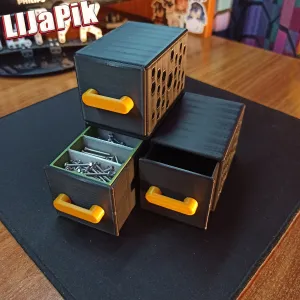


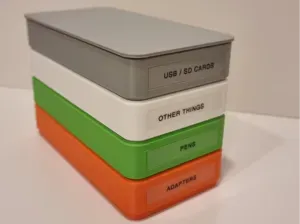
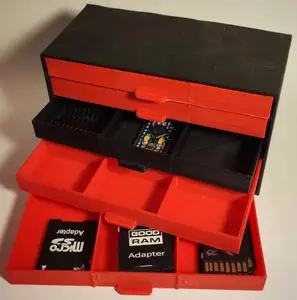

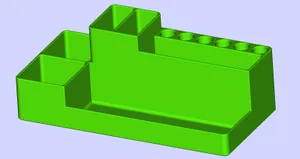

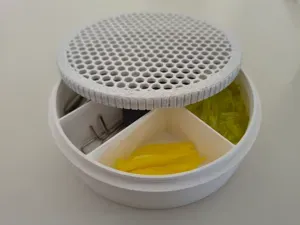


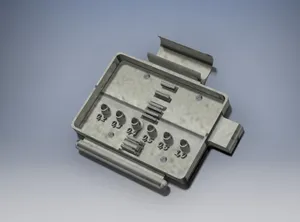
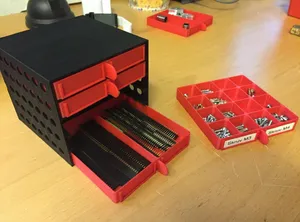
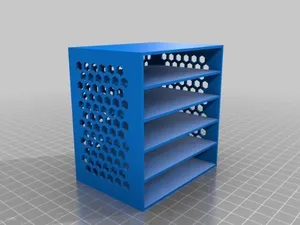


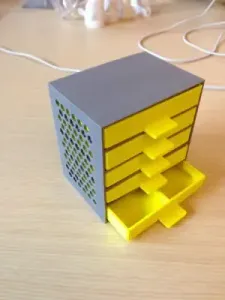
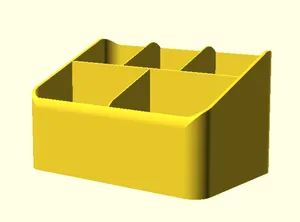
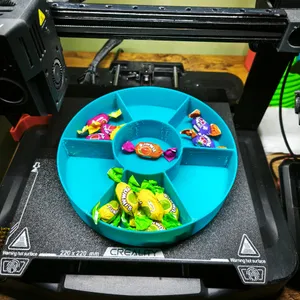




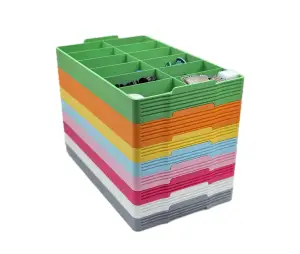

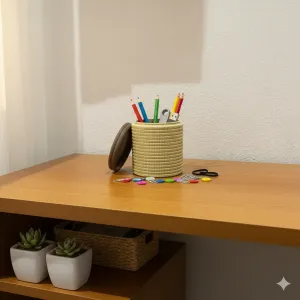
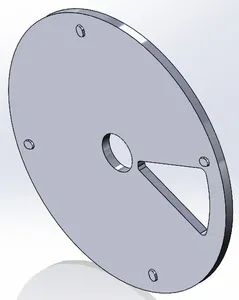
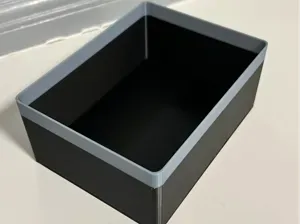

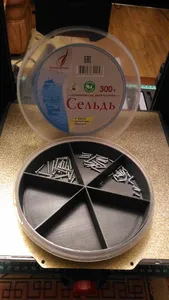

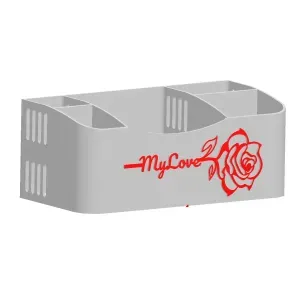
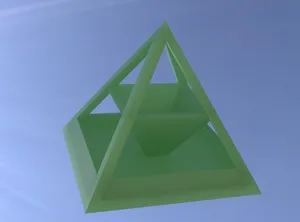

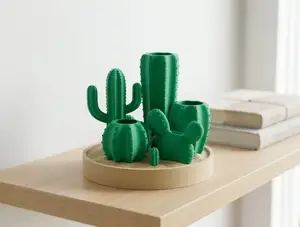
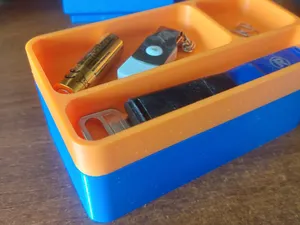
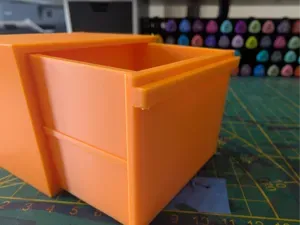
Stackable bins and modular containers are built around a common footprint, so several units can sit on top of each other or side by side. Drawer inserts and compartment trays take the opposite approach: they are sized to fill a drawer and split it into fixed cells. Desktop organizers usually add vertical elements such as slots, wells or a rotating base, while lidded boxes and containers are meant for carrying or covering the contents.
Before printing, look at the dimensions on the model page and measure the space you have, since a tray that is a few millimeters too wide will not fit a drawer. Check how many separate parts the model has, whether they join with clips, pins or glue, and whether the author lists supports, layer height, wall count or material. Photos of real prints help judge whether thin dividers and tall walls hold up in practice.
To widen the results, try related wording such as storage box, drawer insert, parts tray, bit holder, sorting tray or desk caddy. Adding the intended contents narrows the search well: screws, beads, sewing supplies, cables, hobby parts or cutlery. Terms like modular, stackable, compartment or lidded describe the shape rather than the purpose and can bring up models you would otherwise miss.


Le catalogue complet des thèmes, de la maison à la CNC, avec une recherche sur tous les sites connectés.