
Gratuit 
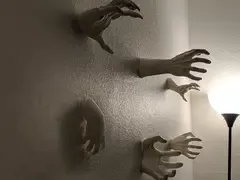
Free Download: Reaching Wall Hands - Thumbtack Mountable
Thingiverse
This collection gathers 3D models meant to hang on a wall: textured reliefs, abstract art panels, tile sets and mounting plates. Most of them are designed for FDM or resin 3D printing and scale up or down depending on the wall area you want to cover. Browsing here helps you compare shapes, part counts and mounting approaches before you commit to a long print. Polyzon does not confirm whether models are free, their price, license, official status, affiliation, safety or fitness. Check the current terms at the source.
Le texte de cette collection est rédigé en anglais ; la recherche, elle, fonctionne dans toutes les langues.
 Une collection Polyzon · 48 modèles sur 3 plateformes
Polyzon compose cette collection à partir des résultats de recherche des plateformes connectées. Les doublons et les modèles sans aperçu sont retirés, les correspondances faibles sont placées à la fin, et le reste suit l’ordre de la recherche. Les modèles appartiennent à leurs auteurs : consultez les conditions sur la page de chaque modèle.
Règles de sélection : la rédaction de Polyzon · Texte mis à jour le 14/10/2026

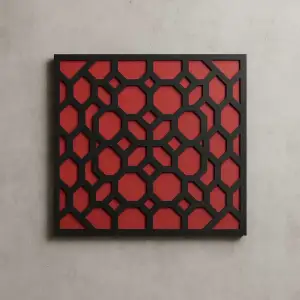

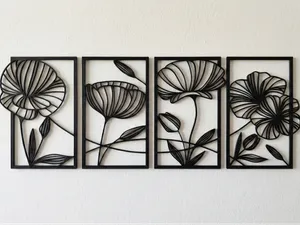
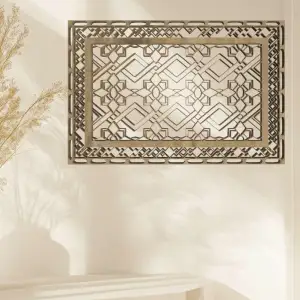

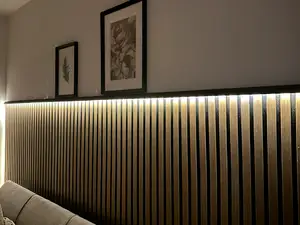
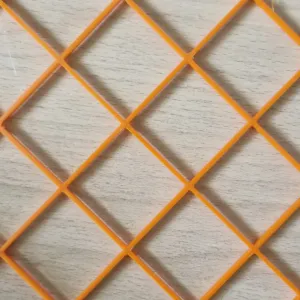

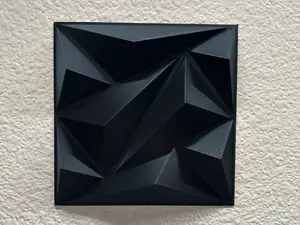
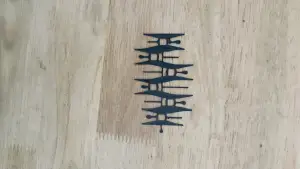


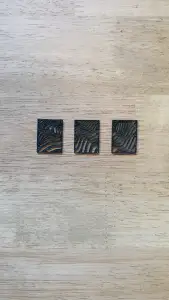

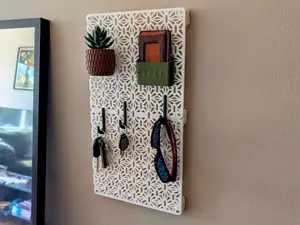
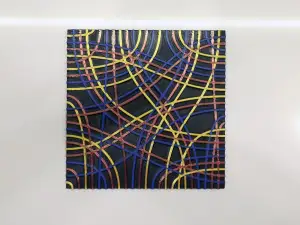

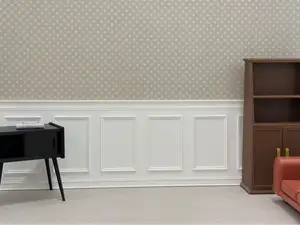
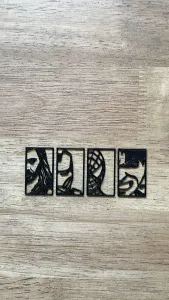

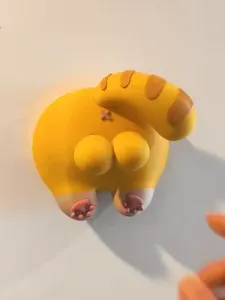

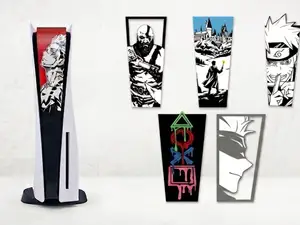

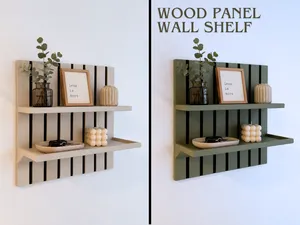

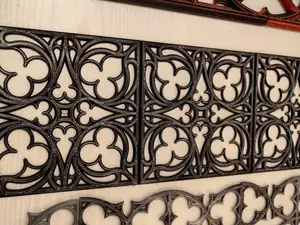

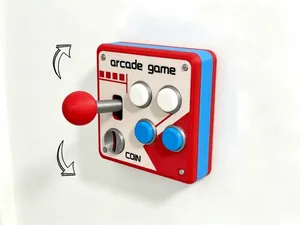

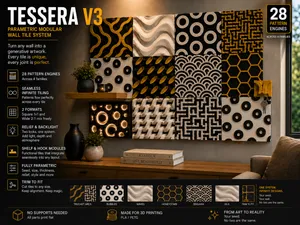

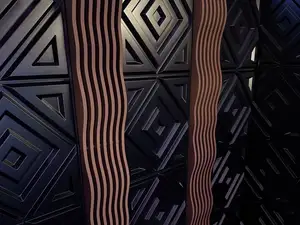

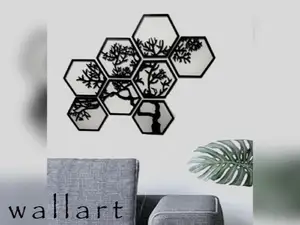

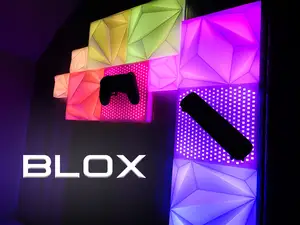

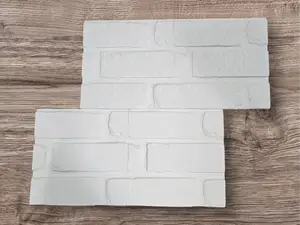
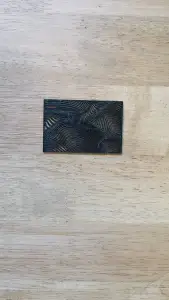
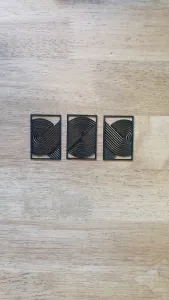
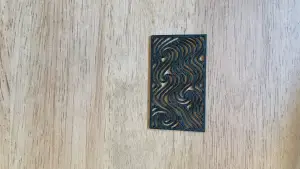
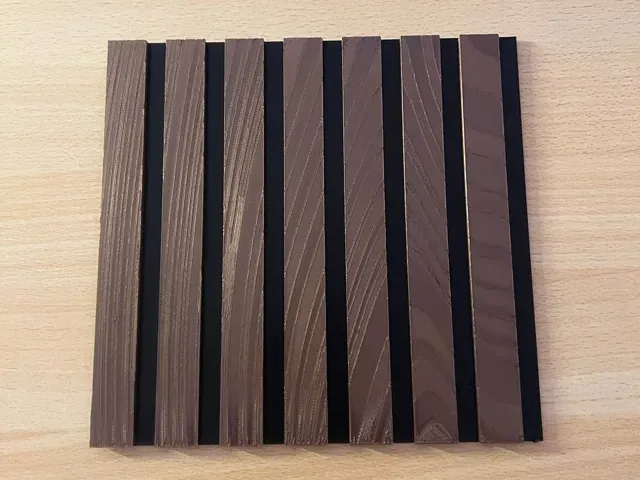
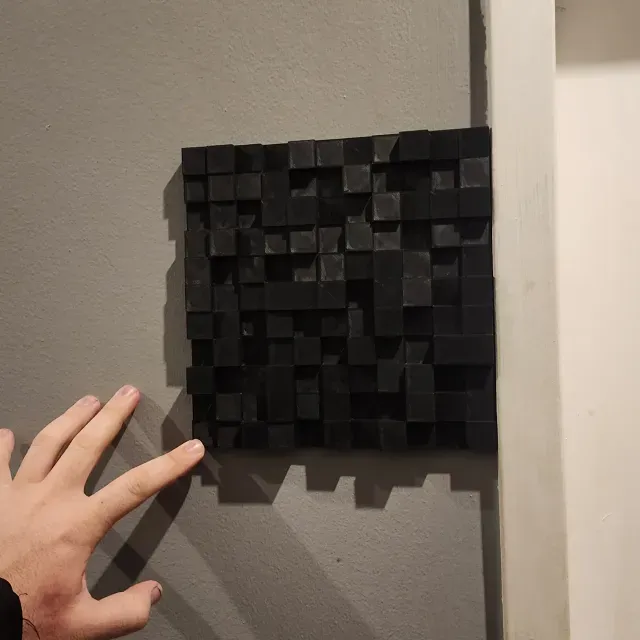
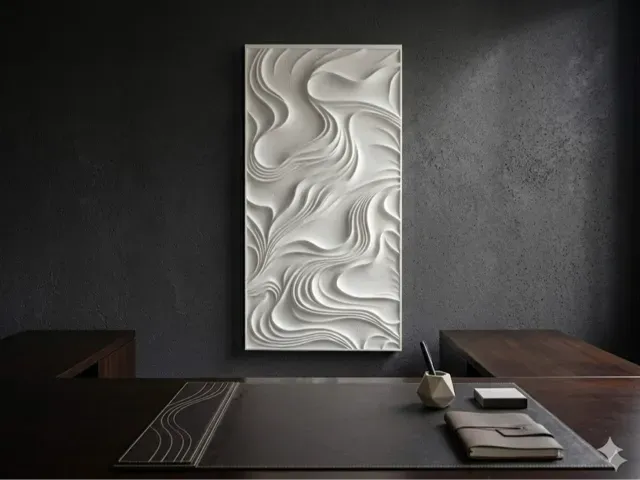
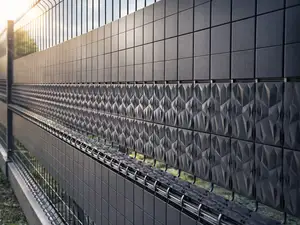
The models fall into a few clear groups. Textured relief panels rely on surface depth and repeating patterns, while topographic and abstract art pieces read as a single picture made of raised lines. Multi-panel sets split one composition across several printed tiles, and wood-effect or acoustic-style panels imitate slats and grooves. Mounting plates and pegboard-style panels are the practical counterpart: they hold small items or hide the fixing points behind the decor.
When choosing a model, open the author's page and look at the listed dimensions and scale first, since wall decor is often shown without a reference object. Check how many parts the panel has and how they are meant to join, whether the overhangs need supports, and which material and layer height the author used. Photos of real prints are the most useful signal for surface quality, because fine texture and thin ridges can disappear at a coarse layer height.
If the results feel narrow, try related wording. Searches for wall art, wall hanging, relief tile, geometric panel or parametric tile often return different files for the same purpose. You can also narrow by use: garden railway buildings, kinetic wall pieces or light-diffusing panels sit in the same category but follow different design rules. Combining a style word with a format word, such as minimalist panel or hexagon tile, usually gives the most focused list.


Le catalogue complet des thèmes, de la maison à la CNC, avec une recherche sur tous les sites connectés.