Gratuit 
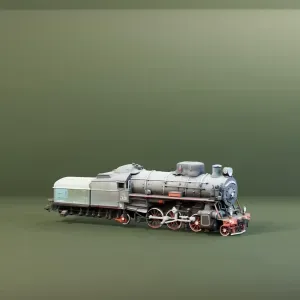
On30 J&L “ingot” locomotive
Thingiverse
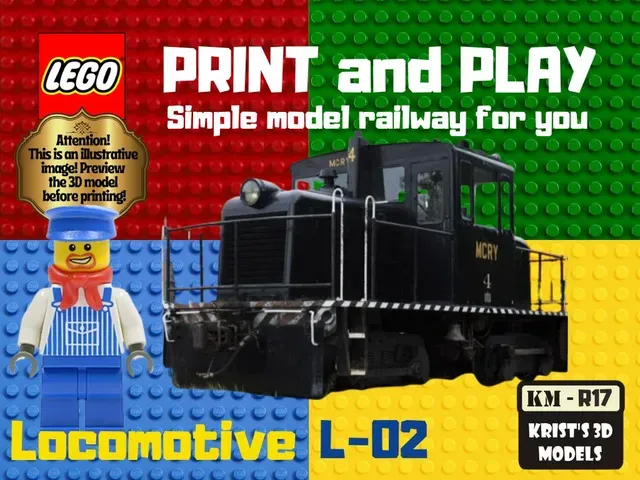
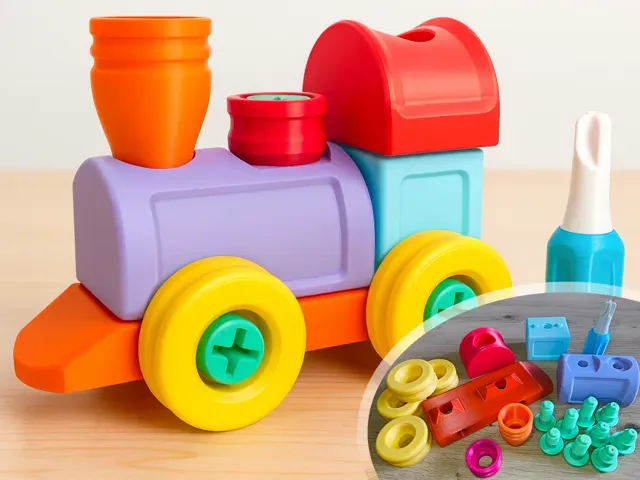
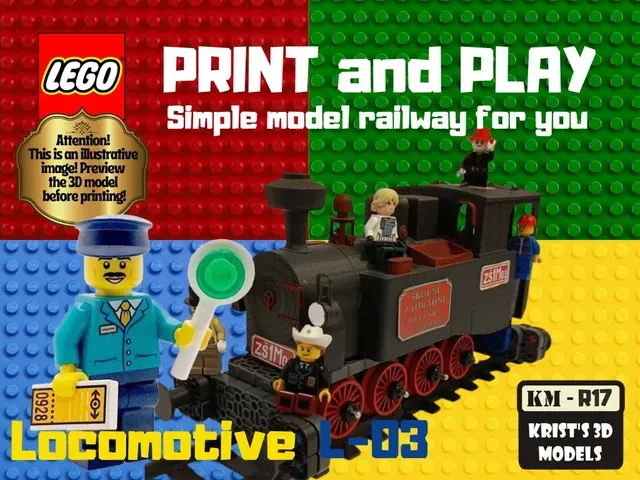
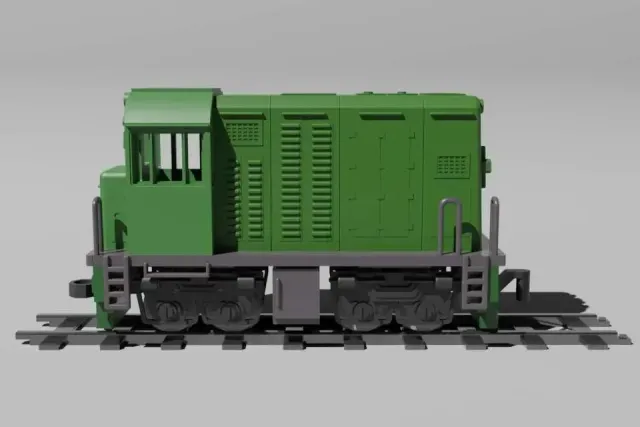
This collection gathers locomotive 3D models in several directions: steam and diesel engines, scale miniatures, building-toy designs and simplified toy shapes. Most files are made for FDM or resin 3D printing, so the choice depends on the scale and level of detail you want. It helps you compare approaches before committing filament or resin to a build. Polyzon does not confirm whether models are free, their price, license, official status, affiliation, safety or fitness. Check the current terms at the source.
Le texte de cette collection est rédigé en anglais ; la recherche, elle, fonctionne dans toutes les langues.
 Une collection Polyzon · 48 modèles sur 4 plateformes
Polyzon compose cette collection à partir des résultats de recherche des plateformes connectées. Les doublons et les modèles sans aperçu sont retirés, les correspondances faibles sont placées à la fin, et le reste suit l’ordre de la recherche. Les modèles appartiennent à leurs auteurs : consultez les conditions sur la page de chaque modèle.
Règles de sélection : la rédaction de Polyzon · Texte mis à jour le 13/10/2026
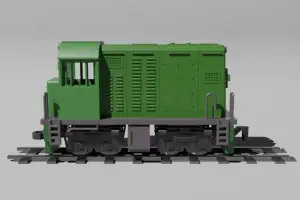


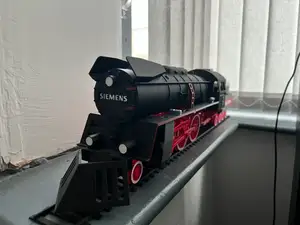
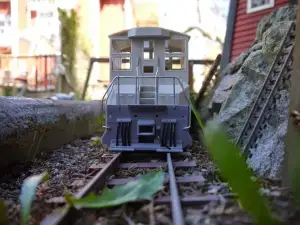


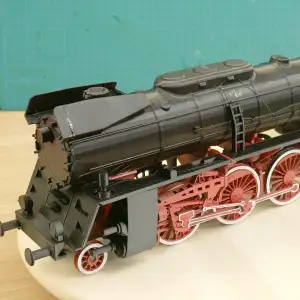


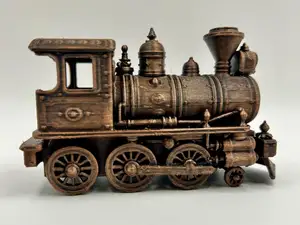
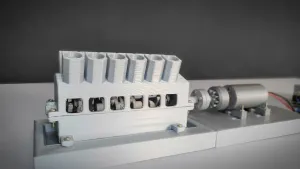


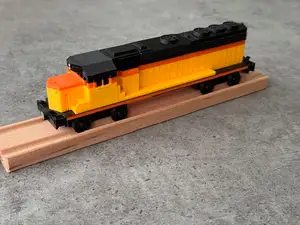
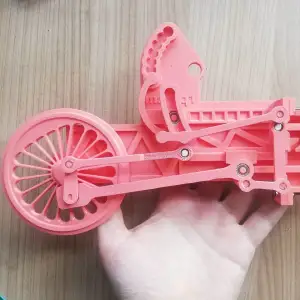


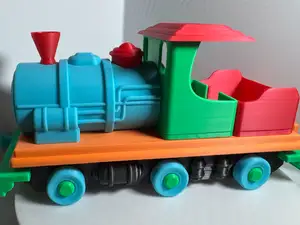


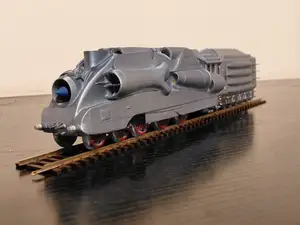
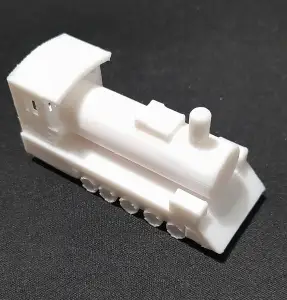


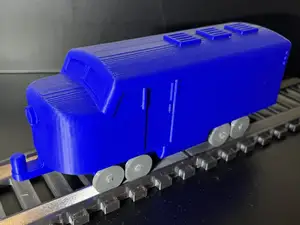
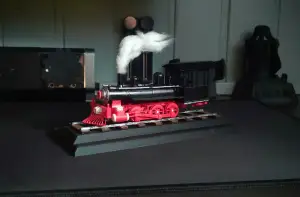


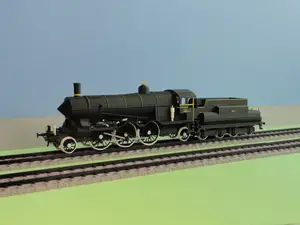
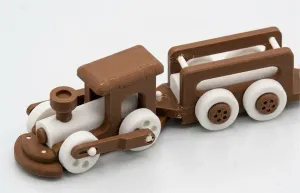


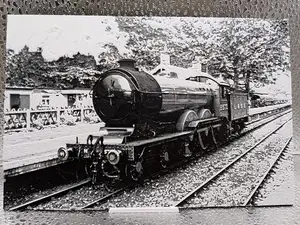
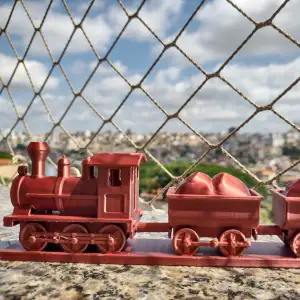


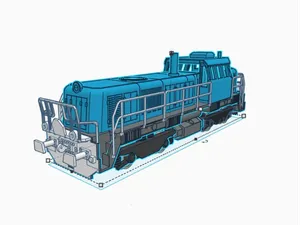
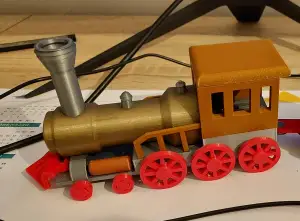


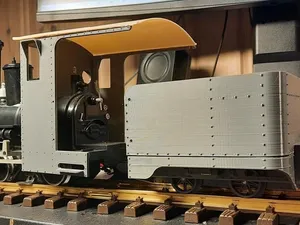
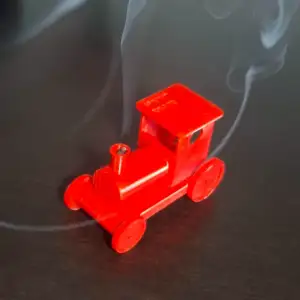
The range splits mainly by prototype and purpose. Steam designs usually carry more surface detail, while diesel and motor locomotives tend to have cleaner bodies and separate bogies or chassis parts. Alongside those, there are building-toy locomotives made to fit brick systems, scale miniatures tied to a specific gauge, and stylized or chibi versions where proportions are deliberately shortened. Some files print as one piece, others are split into body, frame and wheels for assembly.
Before printing, read the model page rather than the thumbnail. Check the stated scale and overall dimensions, how many parts the file contains and how they join, whether the author used supports, and which material and layer height they list. Look at photos of finished prints to judge surface quality and how the small details survive at your nozzle size. Thin handrails, ladders and cab interiors often decide whether a model suits your printer.
If the results feel narrow, widen the wording. Try train, rail, engine, bogie or chassis instead of locomotive, and add a scale or gauge term if you already know what you need. Related searches such as rolling stock, track sections, depot buildings or figures can fill out a layout around the locomotive. Combining a prototype name with a scale usually narrows a large list faster than a single broad word.
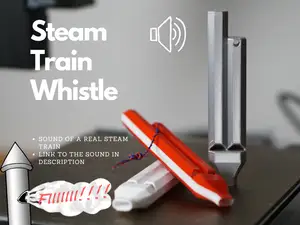


Le catalogue complet des thèmes, de la maison à la CNC, avec une recherche sur tous les sites connectés.