Gratuit 
Customizable Spool Hub Adapter
Thingiverse
This collection gathers STL files for adapters: parts that join one object to another. It covers spool hubs for filament, battery sleeves, pipe and bottle converters, and small brackets for tools and electronics. It is useful when an original part is missing or when two items were never designed to fit together. Polyzon does not confirm whether models are free, their price, license, official status, affiliation, safety or fitness. Check the current terms at the source.
Le texte de cette collection est rédigé en anglais ; la recherche, elle, fonctionne dans toutes les langues.
 Une collection Polyzon · 48 modèles sur 5 plateformes
Polyzon compose cette collection à partir des résultats de recherche des plateformes connectées. Les doublons et les modèles sans aperçu sont retirés, les correspondances faibles sont placées à la fin, et le reste suit l’ordre de la recherche. Les modèles appartiennent à leurs auteurs : consultez les conditions sur la page de chaque modèle.
Règles de sélection : la rédaction de Polyzon · Texte mis à jour le 13/10/2026
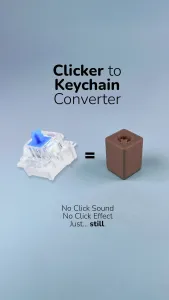


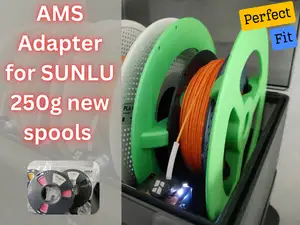
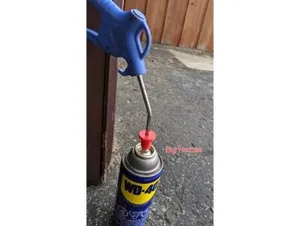
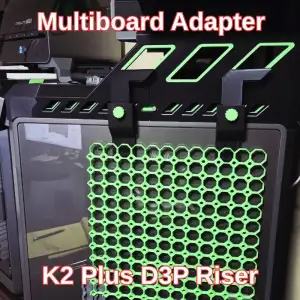


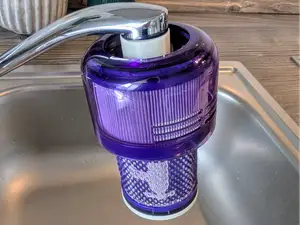
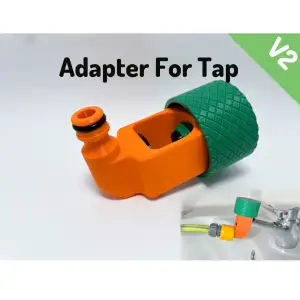


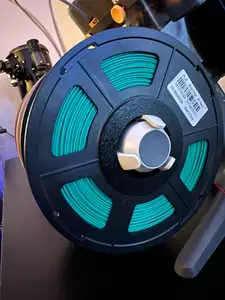
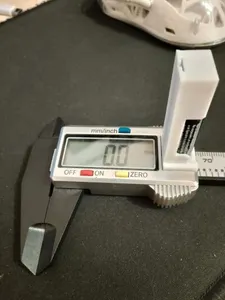
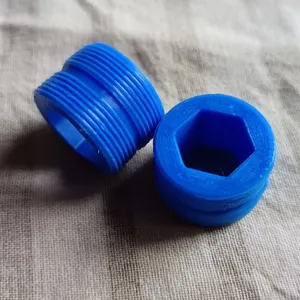


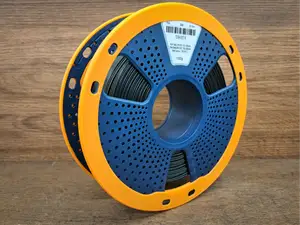
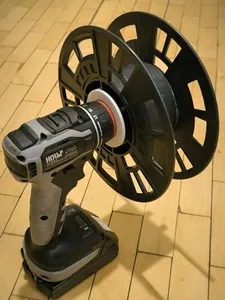
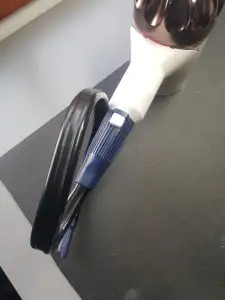

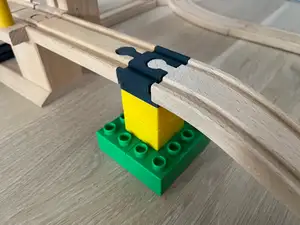
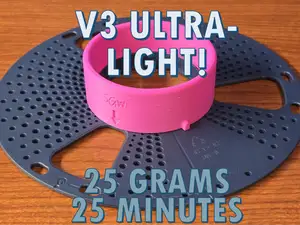
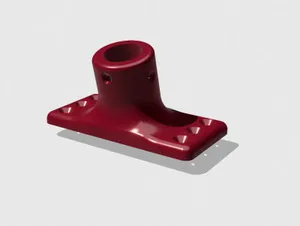
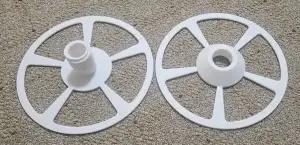

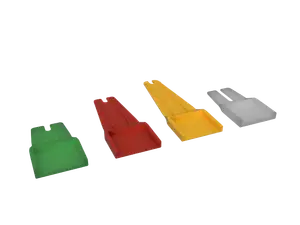
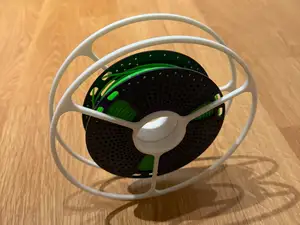
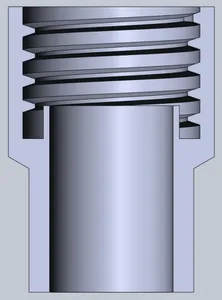
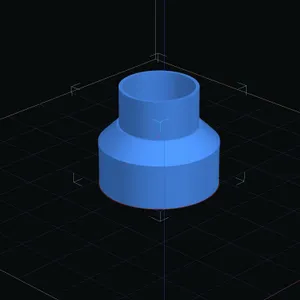

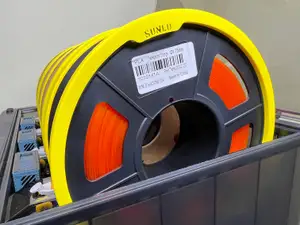
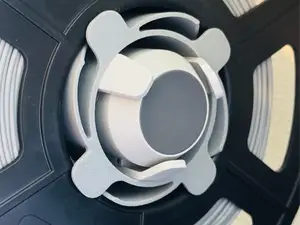
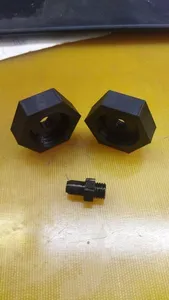
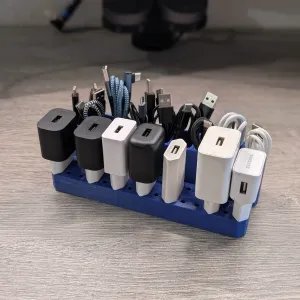

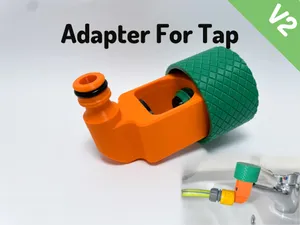
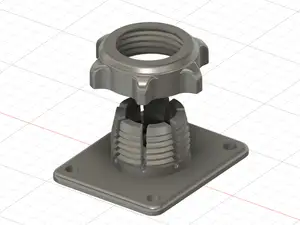
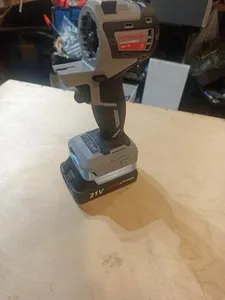
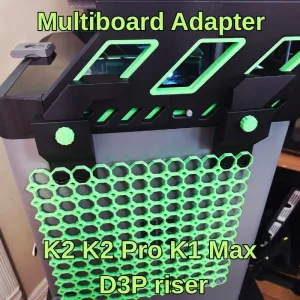


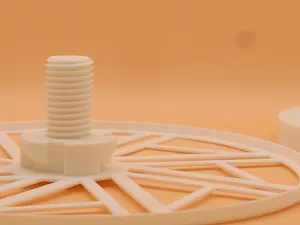
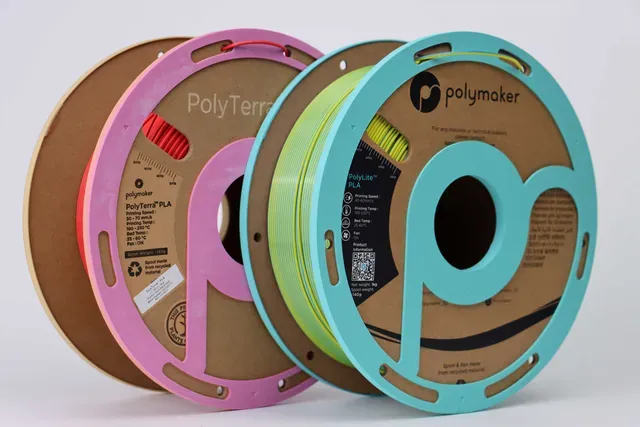
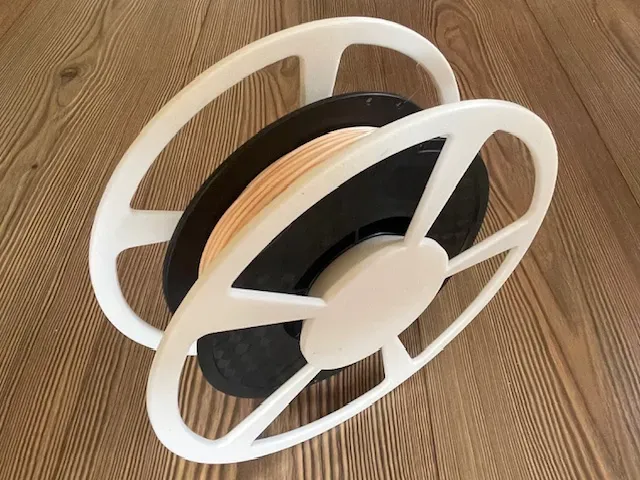
Filament spool adapters form the largest group: hubs and rings that let a spool sit on a holder of a different diameter, including small 250 g spools and cardboard spools used in multi-material units. Battery adapters replace one cell size with another or connect a pack to a tool. Plumbing and household converters cover pipe reductions, tap fittings, bottles and spray cans. Smaller mechanical pieces — switch mounts, board brackets, track and toy connectors — are usually a single printed block.
Before printing, open the author's page and read the listed dimensions: inner and outer diameter, thread pitch, wall thickness and the number of parts. Check whether the model is one piece or an assembly with screws or magnets, and whether the author notes supports or a specific orientation. Material also matters: parts under load or near heat behave differently in PLA, PETG or ABS, and the author's print settings are a useful starting point. Photos of real prints show how the fit turned out.
If the first search gives little, try other words for the same idea: converter, reducer, mount, hub, sleeve, coupler, bushing, joint. Adding the object helps — spool, battery, pipe, bottle, tap, keychain. You can also search by the size or thread you need, or start from a related topic such as filament storage, tool holders or plumbing repairs and look for an adapter among those results.



Le catalogue complet des thèmes, de la maison à la CNC, avec une recherche sur tous les sites connectés.