
Gratuit 
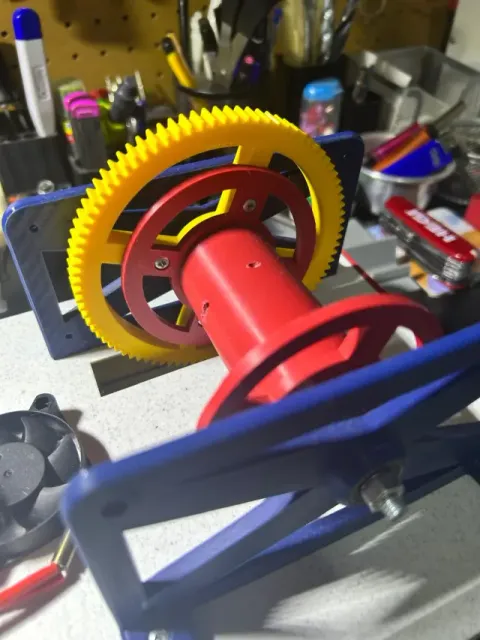
PET Bottle Watering Nozzle (Parametric - Fusion 360)
Thingiverse
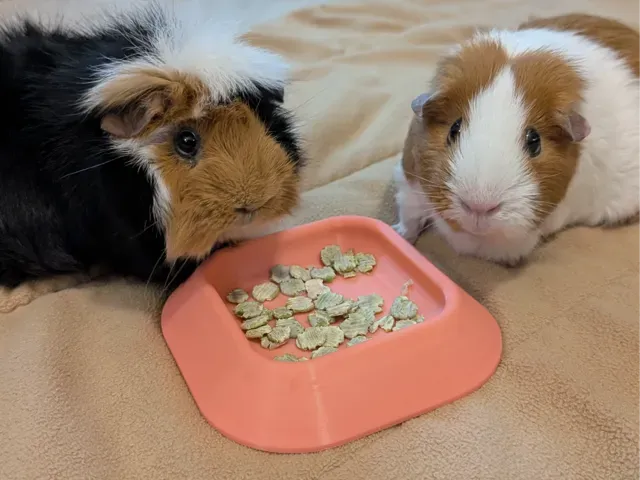
This collection gathers printable pet items — bowls, feeders, scoops, toys, tags — alongside parametric CAD files that share the PET abbreviation, such as bottle and filament tooling. It is useful if you want to adjust dimensions before exporting an STL, or if you simply need a practical object for a cat or a dog. Most entries come as STL or as a CAD source file, and many can be opened in a 3D printer slicer with little preparation. Polyzon does not confirm whether models are free, their price, license, official status, affiliation, safety or fitness. Check the current terms at the source.
Le texte de cette collection est rédigé en anglais ; la recherche, elle, fonctionne dans toutes les langues.
 Une collection Polyzon · 47 modèles sur 3 plateformes
Polyzon compose cette collection à partir des résultats de recherche des plateformes connectées. Les doublons et les modèles sans aperçu sont retirés, les correspondances faibles sont placées à la fin, et le reste suit l’ordre de la recherche. Les modèles appartiennent à leurs auteurs : consultez les conditions sur la page de chaque modèle.
Règles de sélection : la rédaction de Polyzon · Texte mis à jour le 15/10/2026


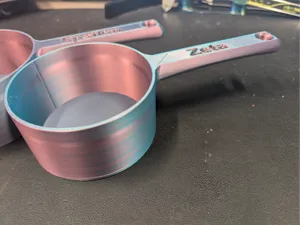
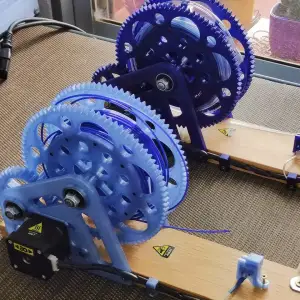

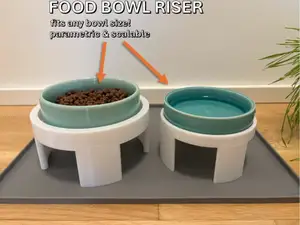
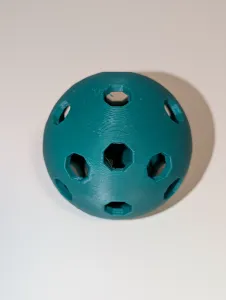

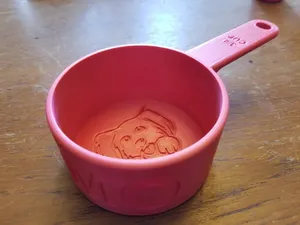
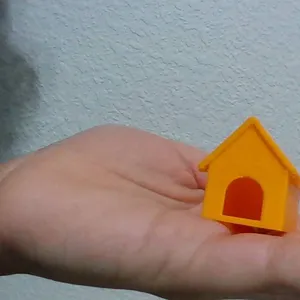

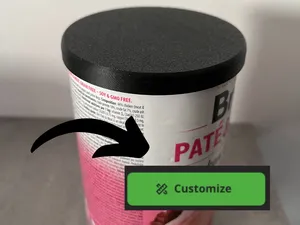
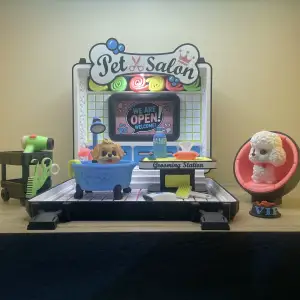

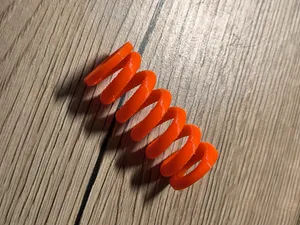
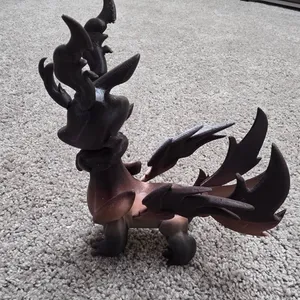


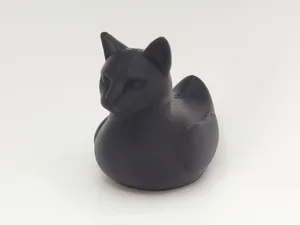


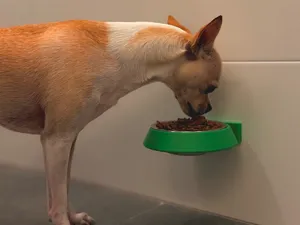
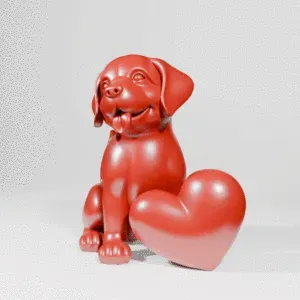
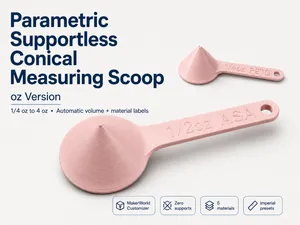
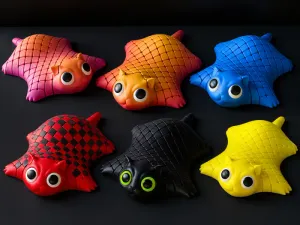

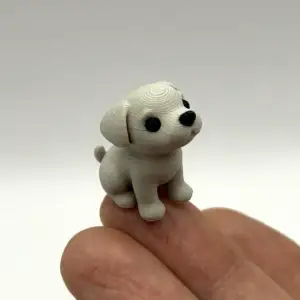

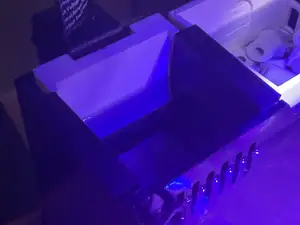
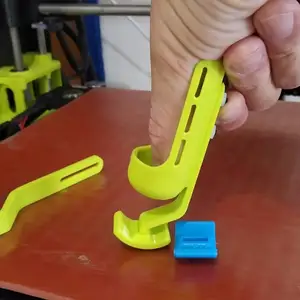

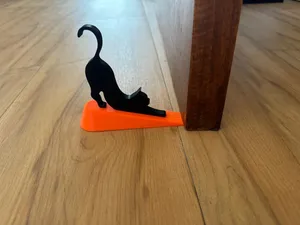


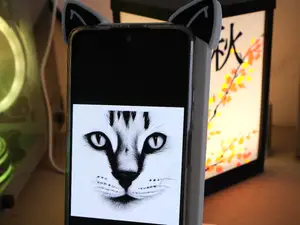
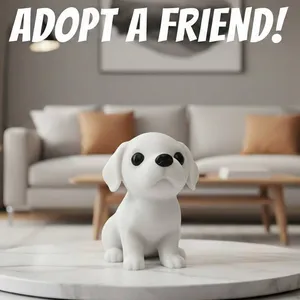

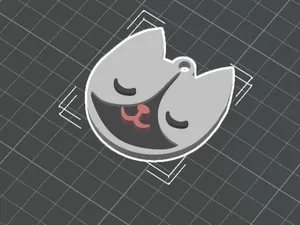
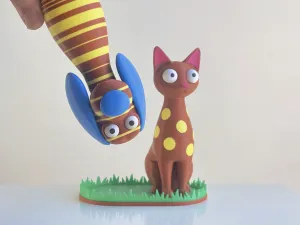
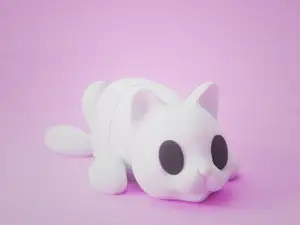
The pet side of the collection is mostly feeding gear: bowls and bowl risers, measuring scoops, can lids, automatic dispensers and simple toys. The parametric side is different in kind — those entries are CAD files where a few dimensions drive the whole shape, so you can change a diameter, a wall thickness or a name before exporting a mesh. Bottle cutters, nozzles and filament-making machines appear too, and they belong here only because the same three letters show up in their names.
When you pick a model, read the author's page rather than the thumbnail. Check the stated size and scale, how many separate parts there are and how they join, and whether the overhangs need supports. Look at the material and print settings the author lists, and at photos of real prints, since a render hides layer lines, thin walls and tight clearances. For anything a pet will chew, pull or push around, wall thickness and the choice of filament matter more than the shape.
If the results feel narrow, swap the wording: try dog bowl, cat feeder, pet tag, treat dispenser or measuring cup instead of the general term, and add parametric, customizable or articulated when you want an editable file. Related searches that often lead to the same shelf are pet house, collar, litter area accessory, bottle cutter and filament extruder. Combining a pet word with a printing word usually narrows the list faster than either term alone.


Le catalogue complet des thèmes, de la maison à la CNC, avec une recherche sur tous les sites connectés.