
Gratuit 
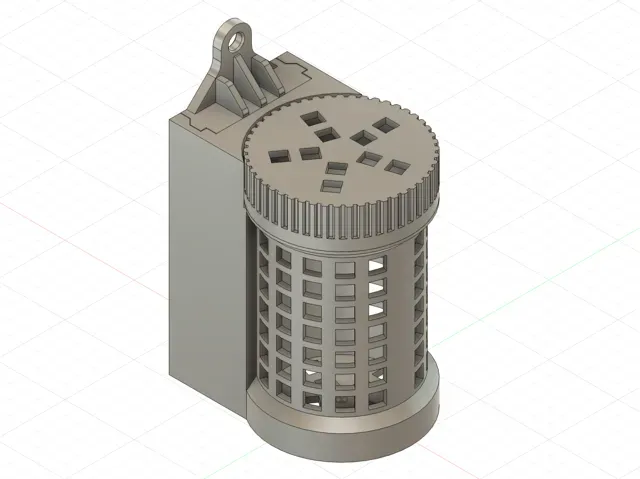
Bait rocket
Thingiverse
This collection gathers 3D printing files related to fishing baits: lure bodies, casting molds, feeders and bait stations. It is useful when you want to make a lure shape that is hard to buy or reproduce a mold for repeated casting. Most entries are small STL parts, so they print quickly on a desktop 3D printer. Polyzon does not confirm whether models are free, their price, license, official status, affiliation, safety or fitness. Check the current terms at the source.
Le texte de cette collection est rédigé en anglais ; la recherche, elle, fonctionne dans toutes les langues.
 Une collection Polyzon · 48 modèles sur 4 plateformes
Polyzon compose cette collection à partir des résultats de recherche des plateformes connectées. Les doublons et les modèles sans aperçu sont retirés, les correspondances faibles sont placées à la fin, et le reste suit l’ordre de la recherche. Les modèles appartiennent à leurs auteurs : consultez les conditions sur la page de chaque modèle.
Règles de sélection : la rédaction de Polyzon · Texte mis à jour le 14/10/2026




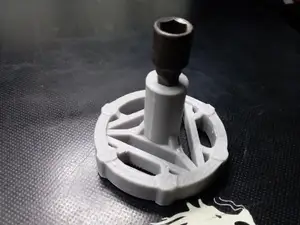
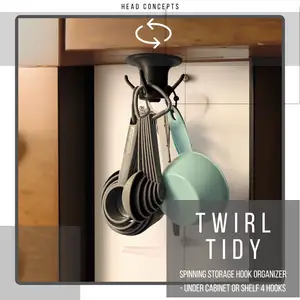


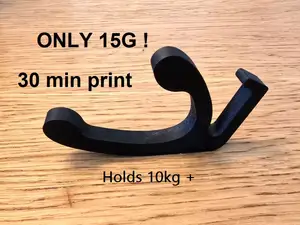


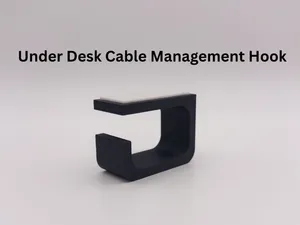

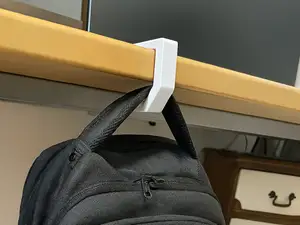


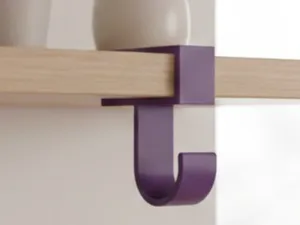


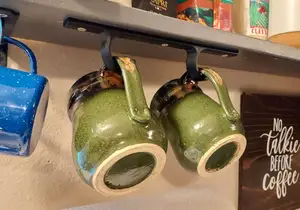


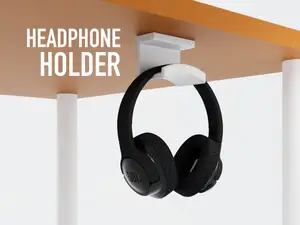


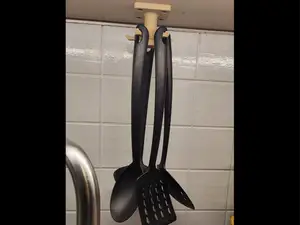


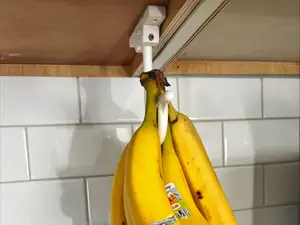


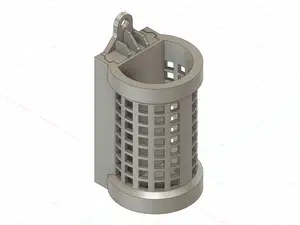


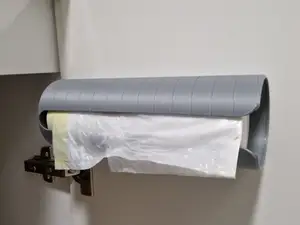


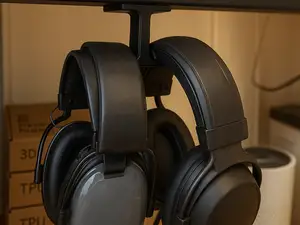
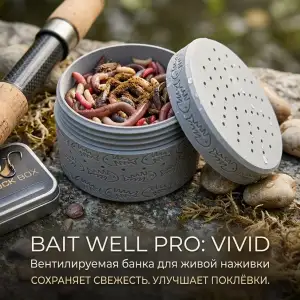
The models fall into a few groups that behave differently in use. Hard lure bodies and wobblers are printed as solid shells and then fitted with hooks, wire or weights, while soft bait molds are forms you fill with melted plastic or resin and reuse. Feeders and bait delivery devices are larger assemblies that often combine a printed frame with bought hardware, and bait stations or traps are box-like parts with openings sized for a particular pest. Storage hooks and holders are the simplest group and usually print as a single piece.
Before printing, read the author's model page rather than judging from the thumbnail. Check the listed dimensions and scale, the number of separate parts and how they join, and whether supports are needed for overhangs. Look at the material and settings the author lists, and at photos of real prints, since thin walls, cavities and fine grids behave differently in different filaments. For molds, the wall thickness, cavity depth and how the halves align matter more than the outer shape.
Search results for this topic mix in unrelated items, because short words like "under" also match under-desk hooks and printer accessories. Adding a fishing word narrows it down: lure, wobbler, crankbait, swimbait, jig, spinner, feeder, method feeder, bait boat, casting mold. Related searches worth trying are tackle box inserts, rod holders, hook keepers and lure drying racks, which often appear alongside bait files.
If a file is meant to be scaled, test the fit with a quick draft print before committing to a full one. Weight and buoyancy change with volume, so a lure enlarged by a few percent does not behave like the original. For multi-part molds and feeders, print the joining surfaces first to confirm the tolerances hold on your machine.



Le catalogue complet des thèmes, de la maison à la CNC, avec une recherche sur tous les sites connectés.

