
Gratuit 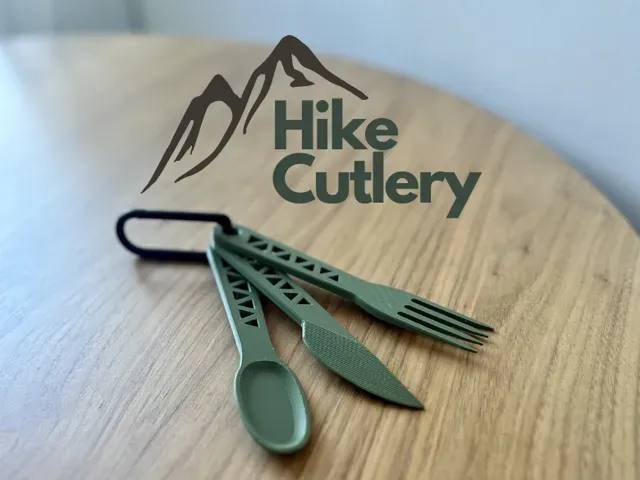
Hike Cutlery
MakerWorld
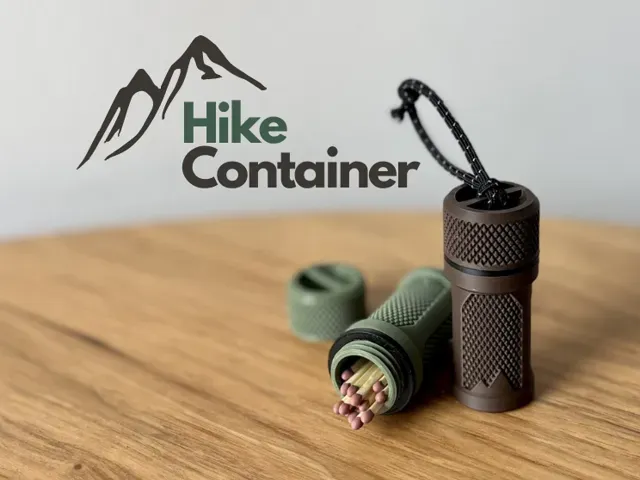
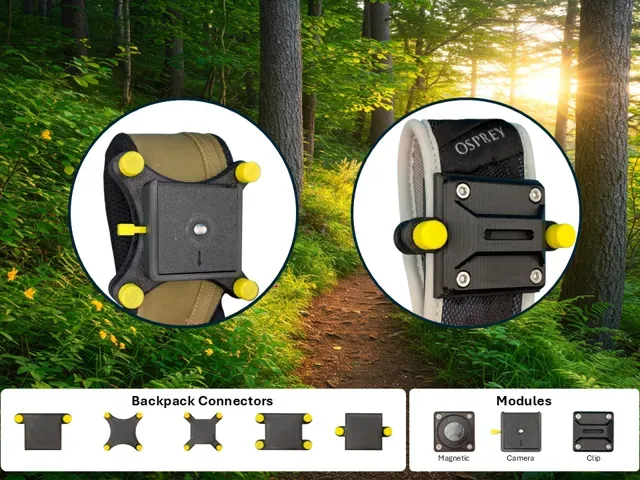
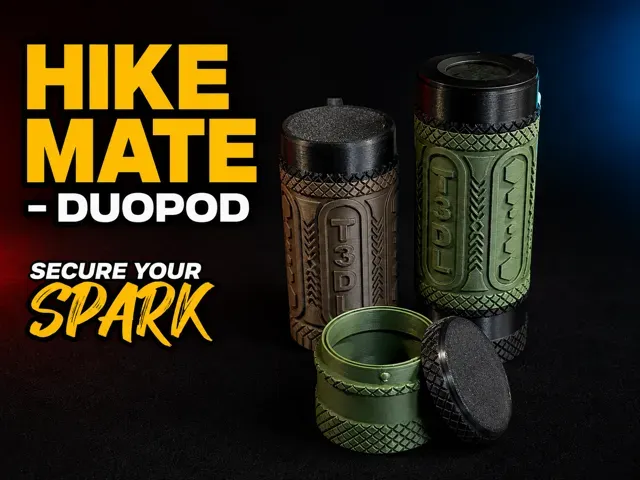
This collection gathers 3D models tied to hiking: small containers and cutlery for the trail, connectors that link backpack parts, campsite hardware, and decorative pieces such as keychains or terrain reliefs. It is useful when you want to print an item for a trip or a reminder of a route rather than buy one. Most files are made for a desktop 3D printer and come as STL or similar mesh formats. Polyzon does not confirm whether models are free, their price, license, official status, affiliation, safety or fitness. Check the current terms at the source.
Le texte de cette collection est rédigé en anglais ; la recherche, elle, fonctionne dans toutes les langues.
 Une collection Polyzon · 48 modèles sur 6 plateformes
Polyzon compose cette collection à partir des résultats de recherche des plateformes connectées. Les doublons et les modèles sans aperçu sont retirés, les correspondances faibles sont placées à la fin, et le reste suit l’ordre de la recherche. Les modèles appartiennent à leurs auteurs : consultez les conditions sur la page de chaque modèle.
Règles de sélection : la rédaction de Polyzon · Texte mis à jour le 11/10/2026
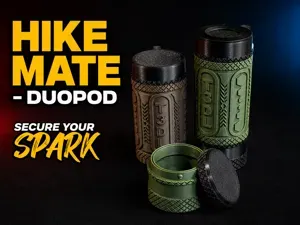


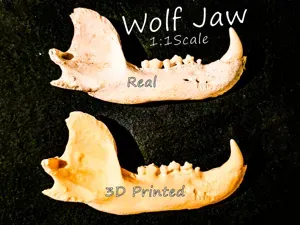


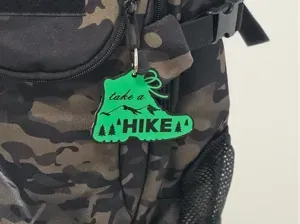
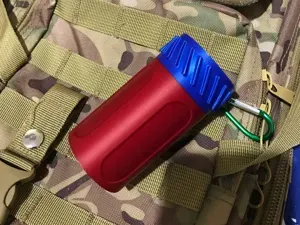
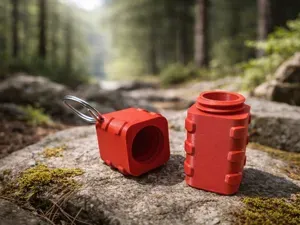


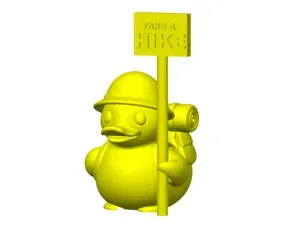

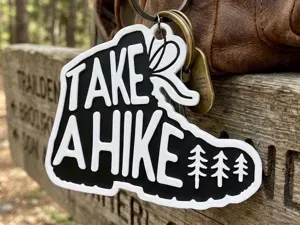

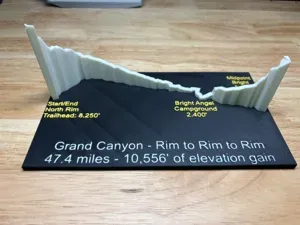


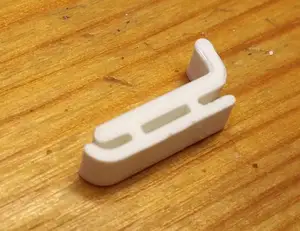

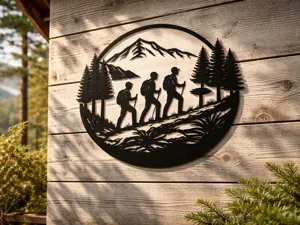

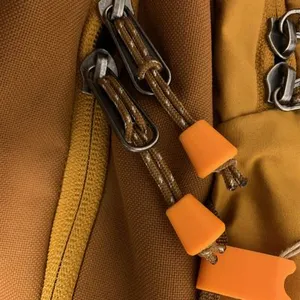

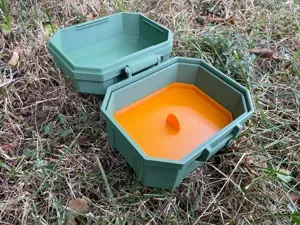
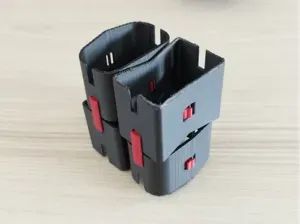


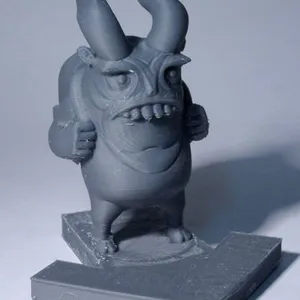
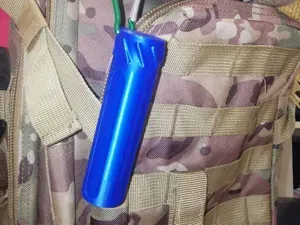
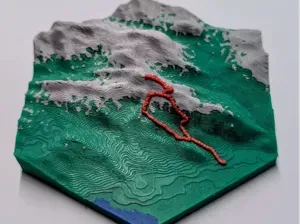
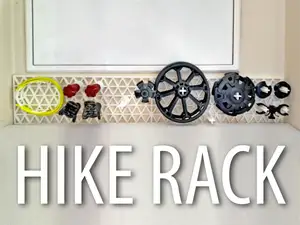

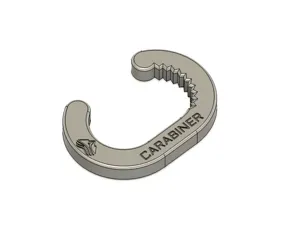
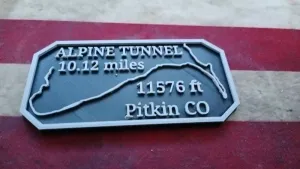
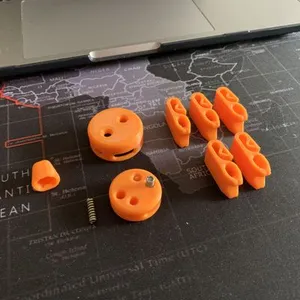

The models fall into a few groups that differ in purpose and scale. Kitchen and storage items are sized to hold food or toiletries and often consist of a body plus a lid. Backpack connectors and pod systems are small mechanical parts that rely on precise tolerances. Campsite hardware, such as canister stands and tent pegs, is shaped by load and ground conditions, while keychains and charms are flat, simple prints. Topographic maps and landscape reliefs sit at the other end: they are large, mostly decorative, and defined by the terrain they represent.
Before printing, open the author's model page and read what is listed there. Check the stated size and scale, the number of parts and how they join, and whether supports are needed for the orientation shown. Look at the material and settings the author names, and at photos of real prints, since wall thickness and overhangs decide how a part behaves in use. For anything that will carry weight or be packed tightly, compare the dimensions with the space you have.
If the results feel narrow, try related wording: backpacking, thru-hike, trekking, camping, or outdoor gear instead of hiking alone. Searching for a specific item — tent peg, canister stand, toiletry case, map relief — usually returns more than a general term. You can also browse neighboring topics such as camp kitchen, travel accessories or terrain models, and then narrow by scale or by the number of parts.


Le catalogue complet des thèmes, de la maison à la CNC, avec une recherche sur tous les sites connectés.