
Gratuit 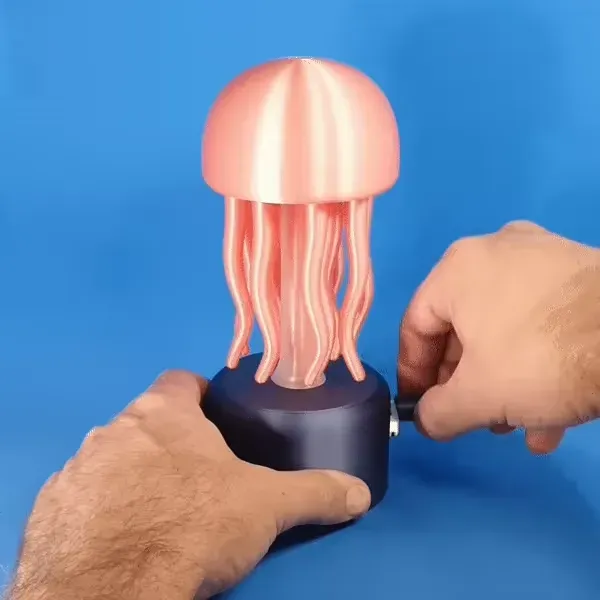
Jellyfish Swimming - Mechanical Interactive Art
Creality Cloud
This collection gathers 3D models designed to float: fishing bobbers, small boats and hulls, toy ducks and other water toys, plus holders and decorative pieces meant for water or for a bathtub. It is useful when you want a 3D printing project that behaves differently from a shelf object and can be tested in a sink or a pool. Most entries are small enough to print in one piece, though the shape and the material decide whether the result actually stays on the surface. Polyzon does not confirm whether models are free, their price, license, official status, affiliation, safety or fitness. Check the current terms at the source.
Le texte de cette collection est rédigé en anglais ; la recherche, elle, fonctionne dans toutes les langues.
 Une collection Polyzon · 48 modèles sur 7 plateformes
Polyzon compose cette collection à partir des résultats de recherche des plateformes connectées. Les doublons et les modèles sans aperçu sont retirés, les correspondances faibles sont placées à la fin, et le reste suit l’ordre de la recherche. Les modèles appartiennent à leurs auteurs : consultez les conditions sur la page de chaque modèle.
Règles de sélection : la rédaction de Polyzon · Texte mis à jour le 13/10/2026

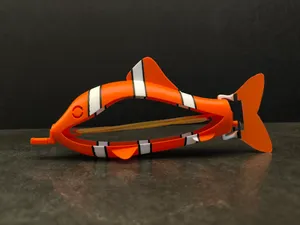

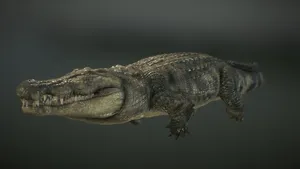
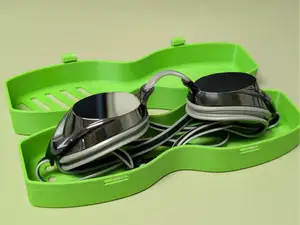

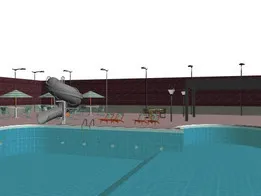
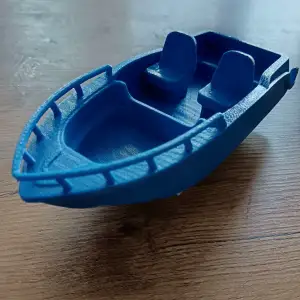


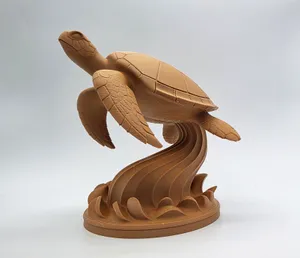
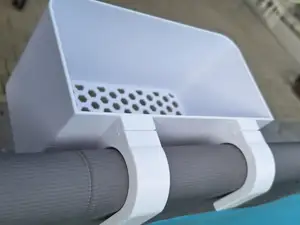

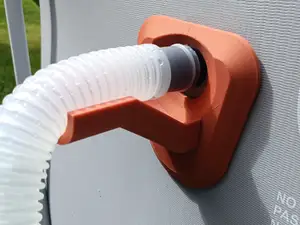



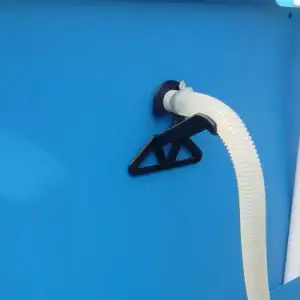
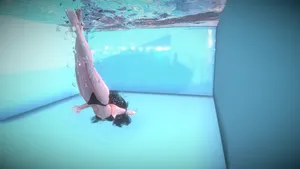


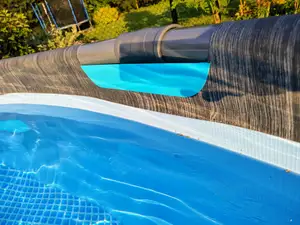


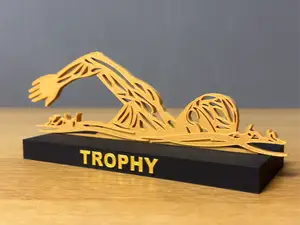
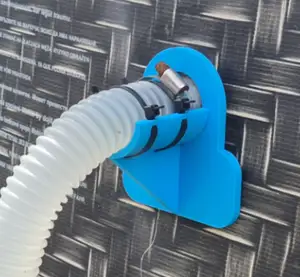

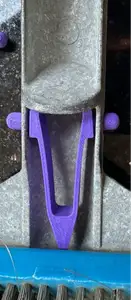
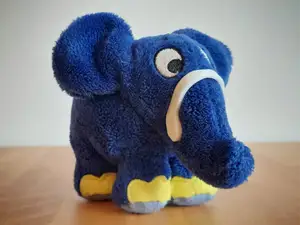
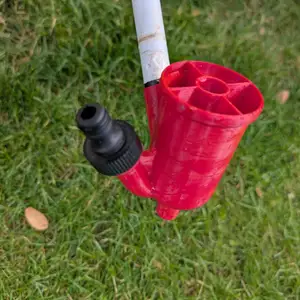
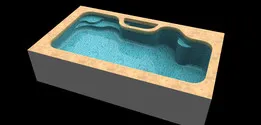

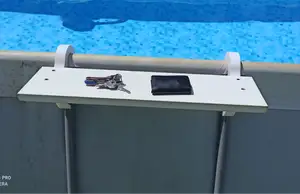


The models fall into a few groups. Fishing floats and bobbers are usually compact bodies with a loop or a stem for a line, sometimes split into two halves. Toy ducks, boats and benchy-style hulls are shaped as closed volumes so that trapped air keeps them up, while floating holders and coasters are wider and flatter and rely on a ring or a tray shape. Decorative pieces, such as floating candle holders or small sculptures, are closer to display objects that happen to work on water.
When choosing a model, read the author's page rather than the thumbnail. Check the size and scale, how many parts there are and how they join, whether supports are needed, and which material and settings the author lists. Wall thickness, infill and the number of solid perimeters matter more here than for a static model, because a hollow or thin-walled print can take on water. Look at photos of real prints to judge the surface and the proportions, and consider how the model will be sealed if it has openings.
To narrow the search, try synonyms and related wording: bobber, float, buoy, water toy, bathtub boat, hull, pontoon, waterline. Adding a use or a place helps as well, for example pool, bathtub, fishing, or camera and drone accessories that keep a device on the surface. If you want a specific look, combine the shape with the function, such as duck, fish or ring, and check the tags the author used.


Le catalogue complet des thèmes, de la maison à la CNC, avec une recherche sur tous les sites connectés.