Gratuit 
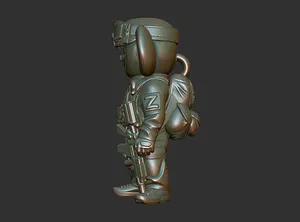
mouse programmer
Thingiverse
This collection gathers STL files that sit around programming work: enclosures for USB programmers, socket adapters for microcontroller boards, and desk pieces with a developer theme. Most of them are small, so they print quickly on a desktop 3D printer. The mix helps you find both practical parts and decorative items in one place. Polyzon does not confirm whether models are free, their price, license, official status, affiliation, safety or fitness. Check the current terms at the source.
Le texte de cette collection est rédigé en anglais ; la recherche, elle, fonctionne dans toutes les langues.
 Une collection Polyzon · 48 modèles sur 4 plateformes
Polyzon compose cette collection à partir des résultats de recherche des plateformes connectées. Les doublons et les modèles sans aperçu sont retirés, les correspondances faibles sont placées à la fin, et le reste suit l’ordre de la recherche. Les modèles appartiennent à leurs auteurs : consultez les conditions sur la page de chaque modèle.
Règles de sélection : la rédaction de Polyzon · Texte mis à jour le 14/10/2026



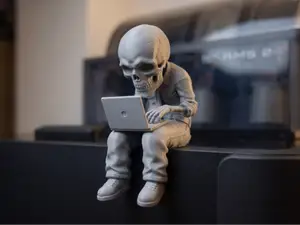


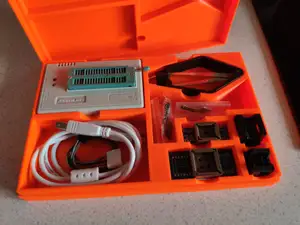
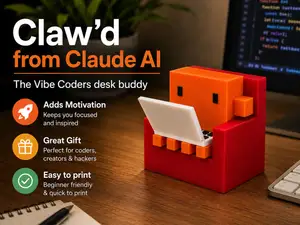


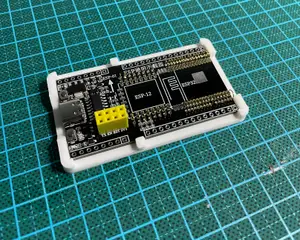
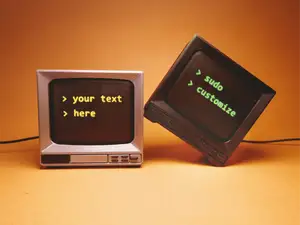


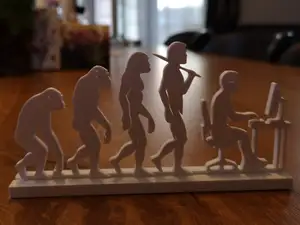


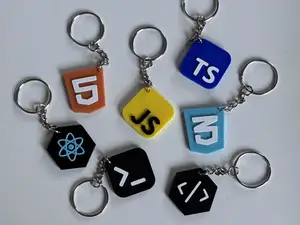


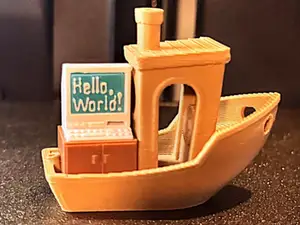


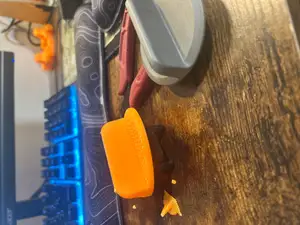
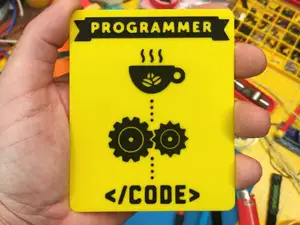


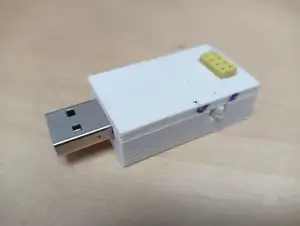



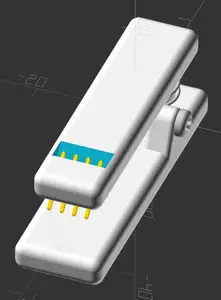
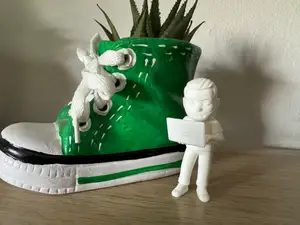


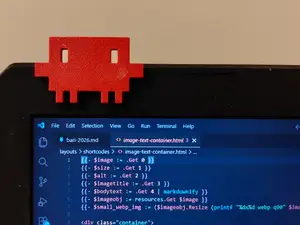


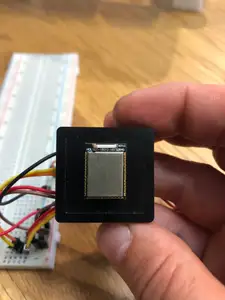
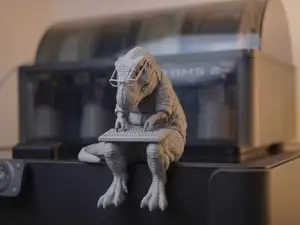
Enclosures form a large part of the topic: boxes and lids shaped around a programmer board, with openings for USB ports, pins and indicator lights. Socket bumpers and adapters are a second group, sized for small modules and chip programmers. Decorative items make up a third: shelf sitters, skull figures and small signs that play on developer humour. Desk accessories such as mug holders, lamps and dice round out the set.
Before printing an enclosure, compare the board dimensions and connector positions shown on the author's page with your own device, and check how the lid is fixed. Look at the number of parts and whether the model needs supports, since thin walls and small clips behave differently at different scales. The material and settings the author lists, along with photos of real prints, tell you more than a rendered preview.
If the results feel narrow, try other wording: case, box, housing, socket adapter, or the name of the chip family you use. Related searches such as developer desk decor, IT humour figure or workstation accessories lead to items that never use the word programmer. Adding a size or board type to the query usually narrows the list faster than scrolling.
A useful check before printing is the fit between parts: lids, clips and bumpers depend on small tolerances, so scaling a model up or down can change how it closes. If the author provides a version with wider clearances, that is often the one to try first on a printer that is not perfectly tuned.



Le catalogue complet des thèmes, de la maison à la CNC, avec une recherche sur tous les sites connectés.

