
Gratuit 
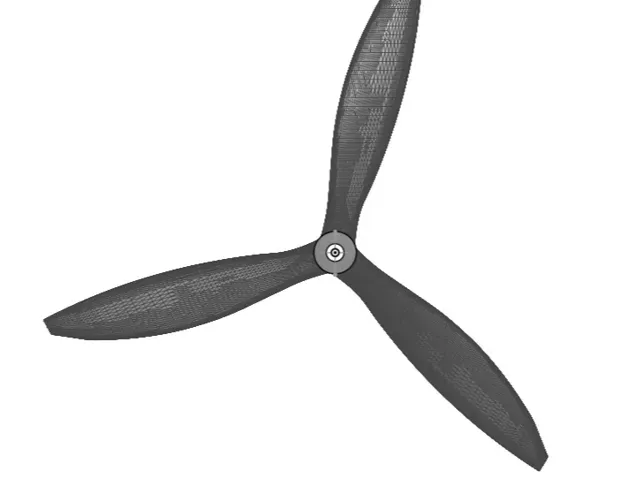
7 inch drone propeller v4
Thingiverse
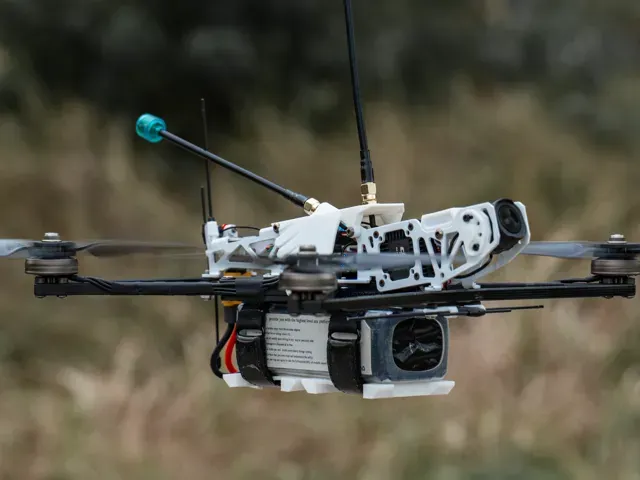
This collection covers 3D models tied to 7-inch FPV propellers: multi-blade rotors, toroidal loops, frames sized around that prop class, and parametric generators. It helps when you want to print a rotor, compare blade shapes, or plan a frame around a known prop size. Most files are made for a 3D printer, so geometry can be scaled and edited before printing. Polyzon does not confirm whether models are free, their price, license, official status, affiliation, safety or fitness. Check the current terms at the source.
Le texte de cette collection est rédigé en anglais ; la recherche, elle, fonctionne dans toutes les langues.
 Une collection Polyzon · 48 modèles sur 3 plateformes
Polyzon compose cette collection à partir des résultats de recherche des plateformes connectées. Les doublons et les modèles sans aperçu sont retirés, les correspondances faibles sont placées à la fin, et le reste suit l’ordre de la recherche. Les modèles appartiennent à leurs auteurs : consultez les conditions sur la page de chaque modèle.
Règles de sélection : la rédaction de Polyzon · Texte mis à jour le 12/10/2026

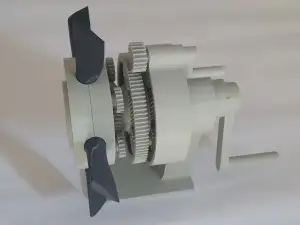

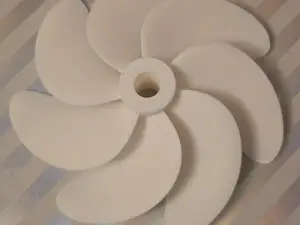
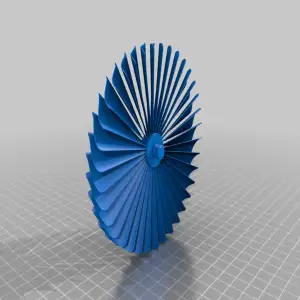

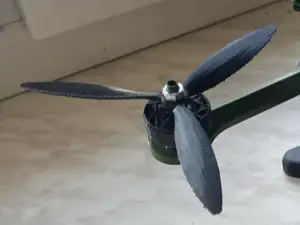
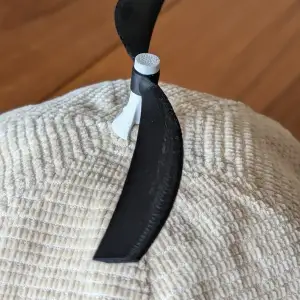

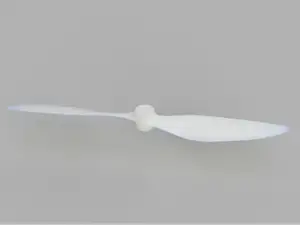
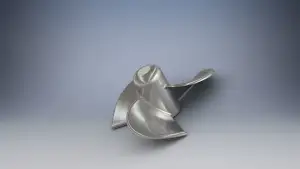


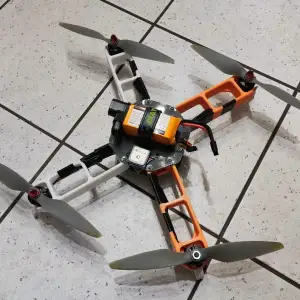

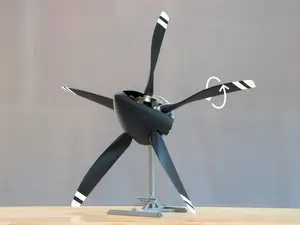
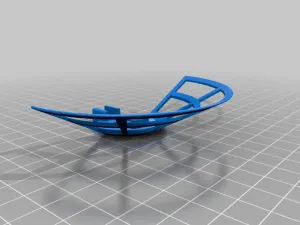

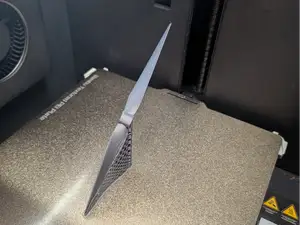
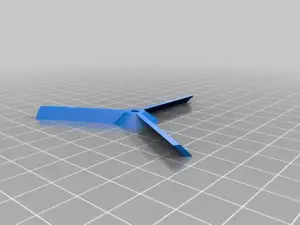

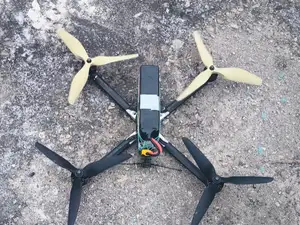
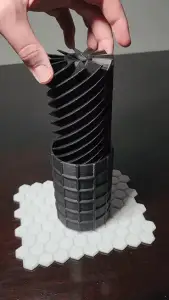
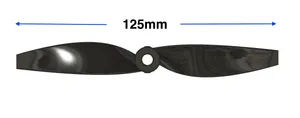
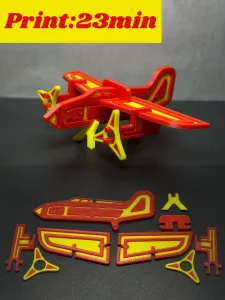

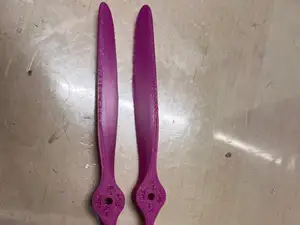


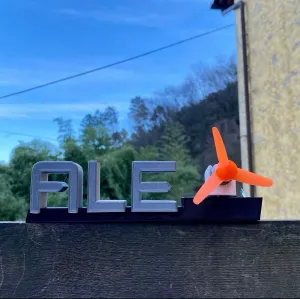

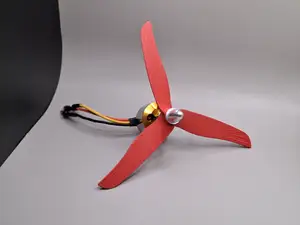
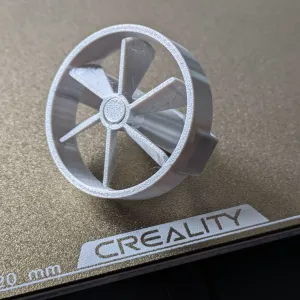

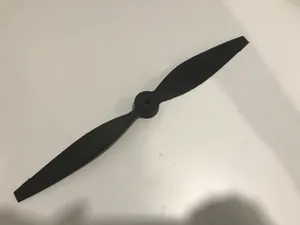
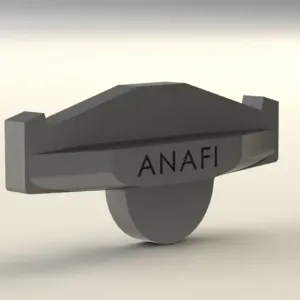

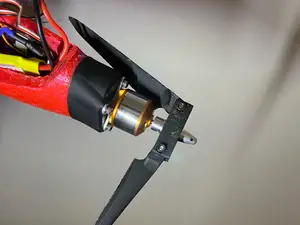
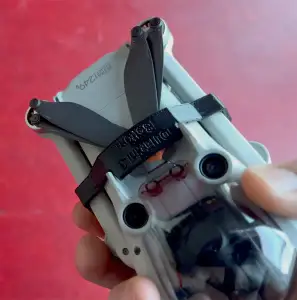

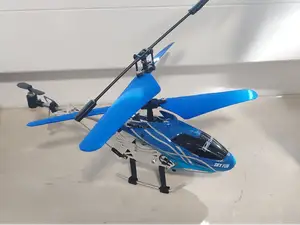
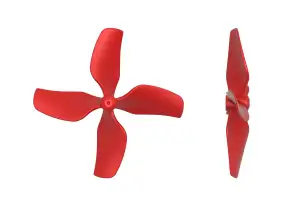

The models fall into a few groups. There are conventional multi-blade propellers in the 7-inch class with varying blade counts and pitch values, toroidal designs where the blades close into loops, and frames intended for long-range quadcopters with 7-inch or slightly larger props. A separate group covers parametric generators and mechanical hubs, where pitch or blade count is changed in the source file instead of being edited by hand.
When picking a file, open the author's page and read the stated dimensions: diameter, pitch, hub bore and mounting hole pattern decide whether the rotor matches a given motor and frame. Note how many parts the model contains and whether it needs assembly, and read the notes on supports, layer height and material, because thin blades behave differently in different filaments. Photos of real prints show wall thickness and surface finish better than renders do.
If the results feel narrow, try related wording: quadcopter rotor, tri-blade, bi-blade, cinewhoop prop, long-range frame, motor mount, or the same size written in millimetres. Searching by blade count, pitch value or frame type often surfaces models that a plain size query misses. Pairing a propeller term with a frame or motor term also helps when you are planning a whole craft rather than one part.

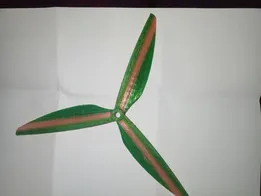


Le catalogue complet des thèmes, de la maison à la CNC, avec une recherche sur tous les sites connectés.