
Gratuit 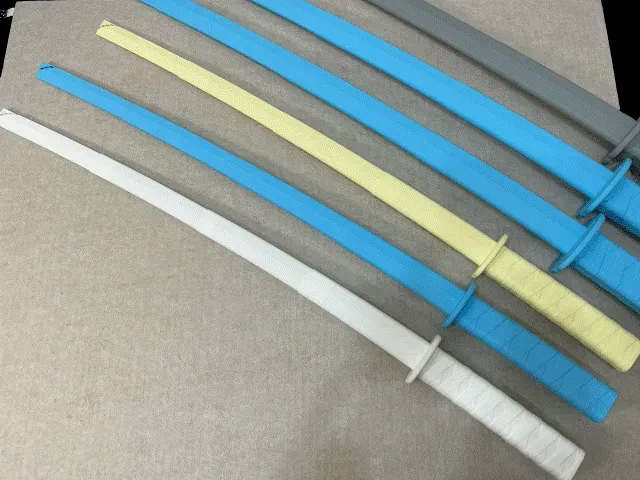
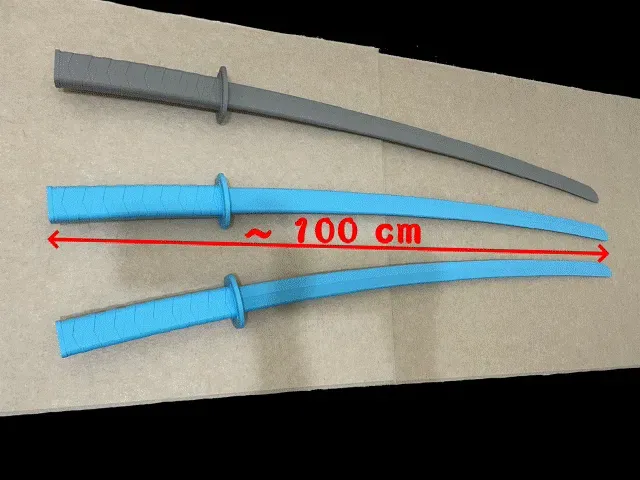
Reverse Blade Sword mini ( Samurai Sword)
MakerWorld
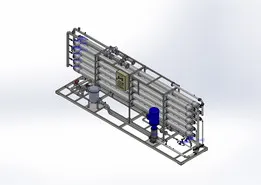
This collection gathers 3D models built around the idea of reverse: replica blades that collapse or flip, manual gearboxes with a reverse gear, water filtration units and reverse-engineered mechanical parts. Most of these files are made for desktop 3D printing, and many are split into several pieces so a standard 3D printer can handle them. It is a useful starting point if you want a project that mixes a recognizable object with a bit of mechanism. Polyzon does not confirm whether models are free, their price, license, official status, affiliation, safety or fitness. Check the current terms at the source.
Le texte de cette collection est rédigé en anglais ; la recherche, elle, fonctionne dans toutes les langues.
 Une collection Polyzon · 47 modèles sur 6 plateformes
Polyzon compose cette collection à partir des résultats de recherche des plateformes connectées. Les doublons et les modèles sans aperçu sont retirés, les correspondances faibles sont placées à la fin, et le reste suit l’ordre de la recherche. Les modèles appartiennent à leurs auteurs : consultez les conditions sur la page de chaque modèle.
Règles de sélection : la rédaction de Polyzon · Texte mis à jour le 13/10/2026
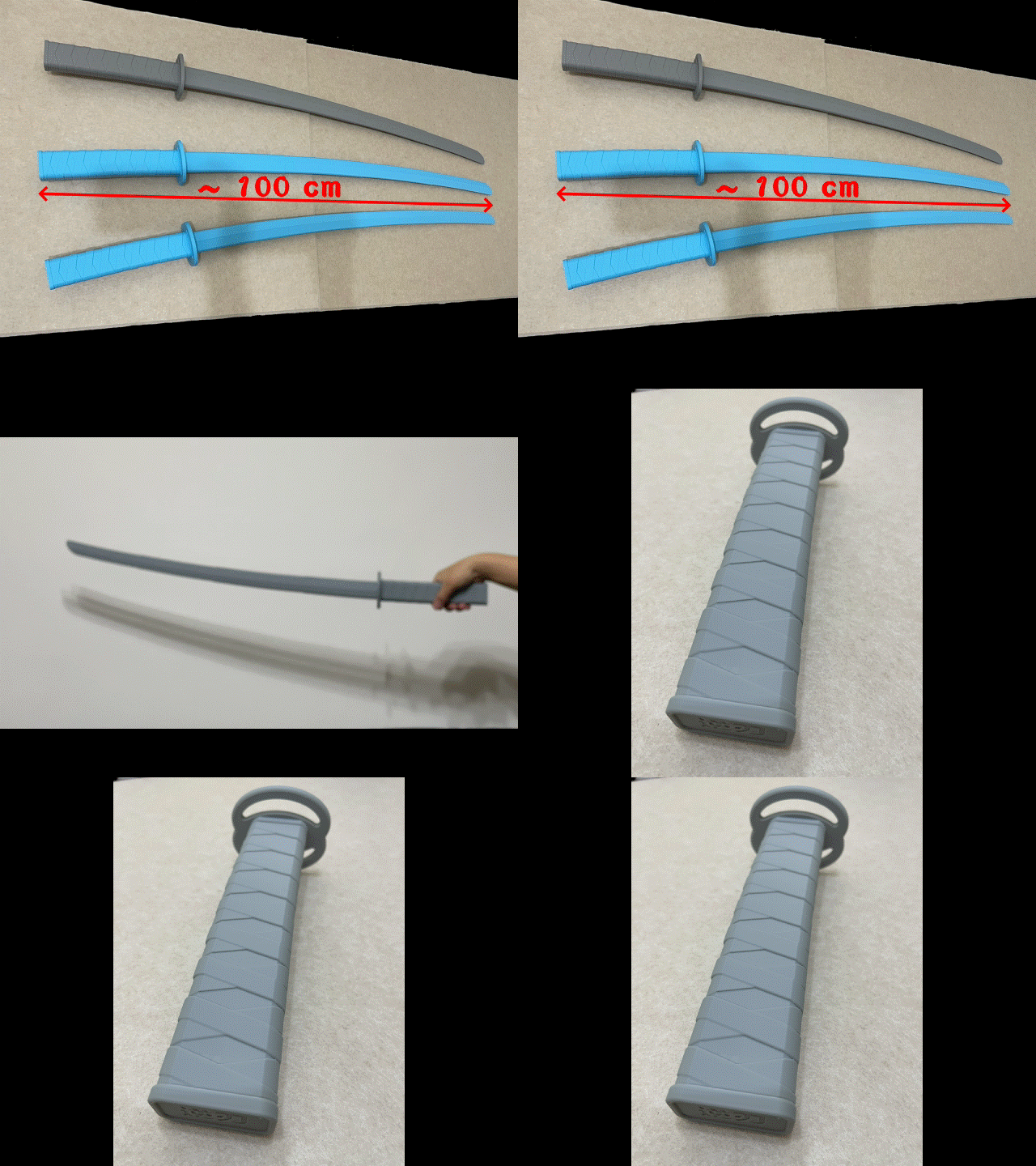

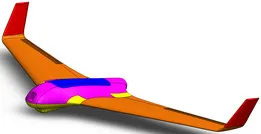
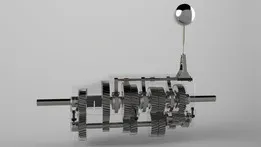

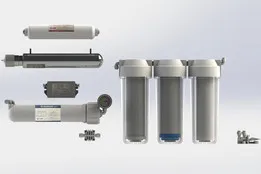


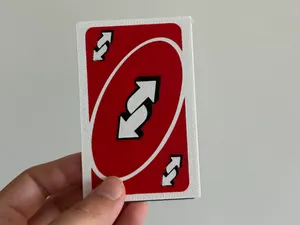
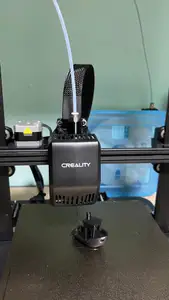
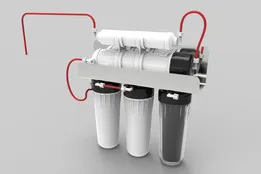

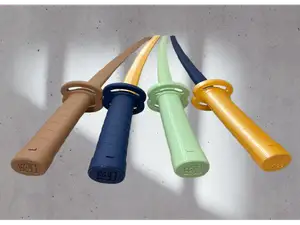
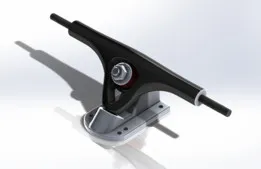

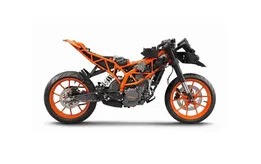

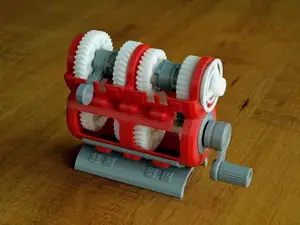
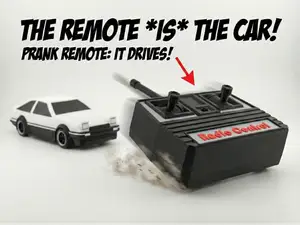
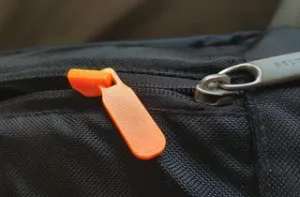
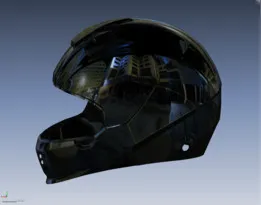

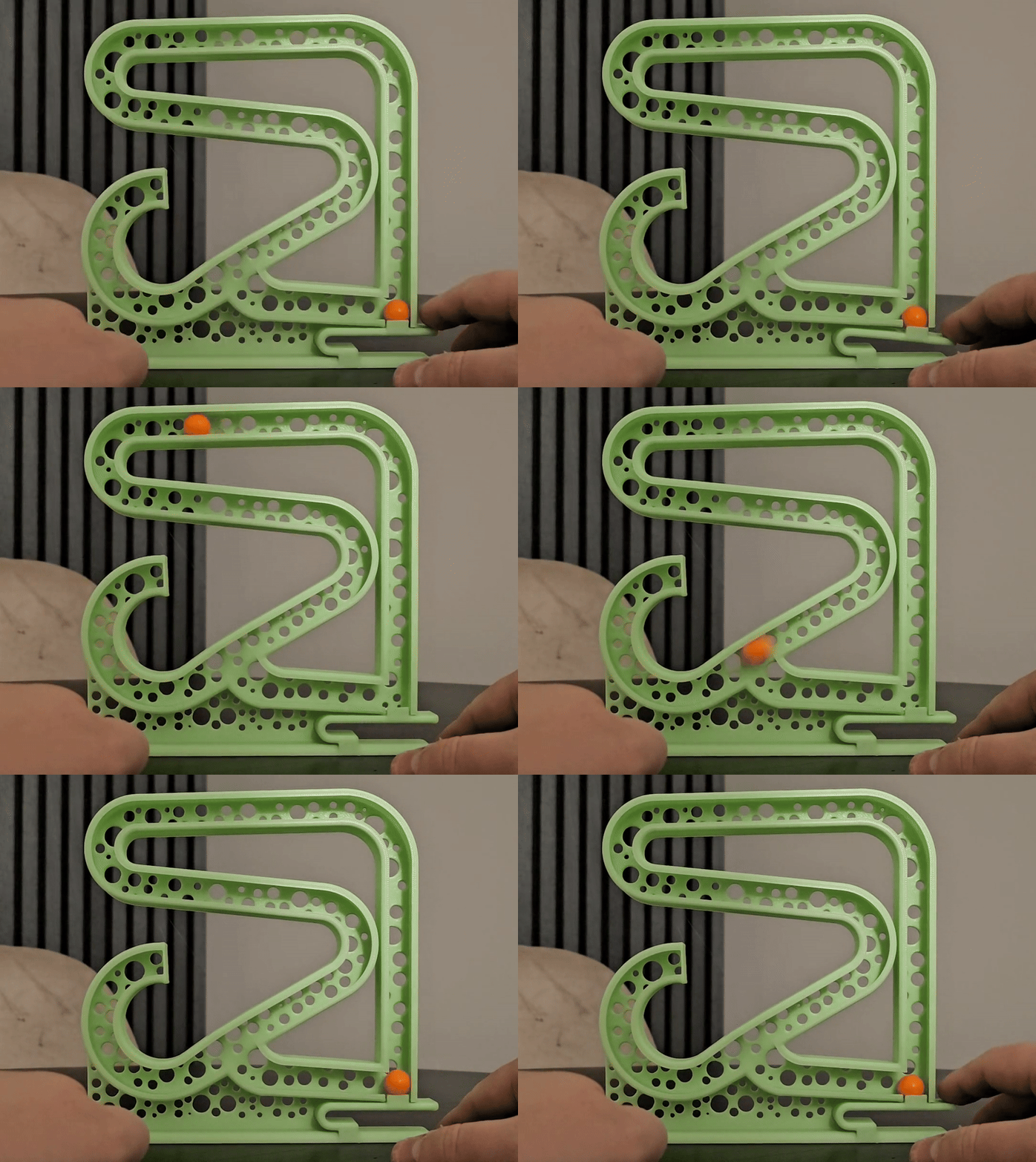
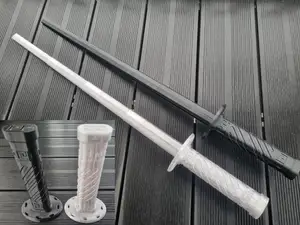
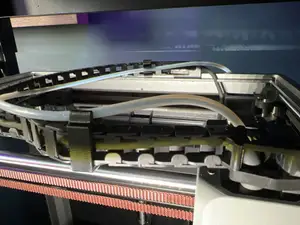
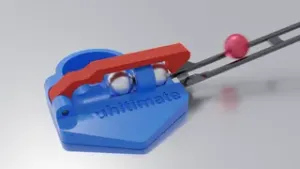
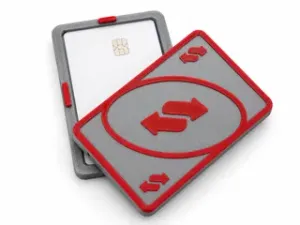


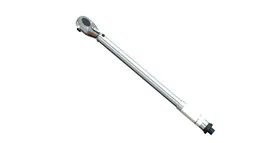
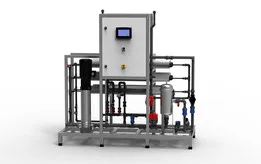
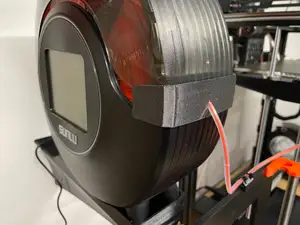
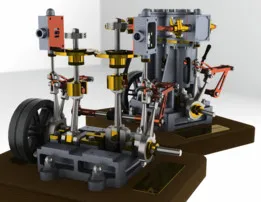


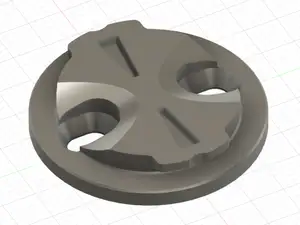
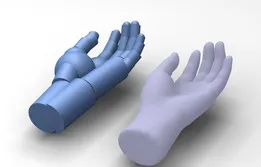
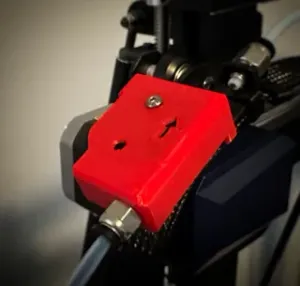

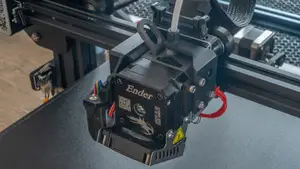

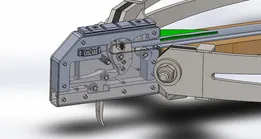
The models fall into a few rough groups. Bladed props and swords are usually long parts split into segments, sometimes with a sliding or folding action. Gearboxes and transmissions are multi-part assemblies where the housing, shafts and gears are printed separately and then put together. Water filtration units and similar housings are closer to functional containers, while reverse-engineered parts are recreations of existing components meant as references or replacements.
Before printing, open the author's model page and read what is listed there: overall size and scale, how many parts the model has, whether supports are needed, and which material and settings the author used. For assemblies, check the tolerances and how the parts join, since a tight fit on one printer may be loose on another. Photos of real prints, if the author uploaded them, show more about surface quality and proportions than a render does.
Search terms can be widened in several directions. "Reverse blade", "collapsing katana" and "samurai sword" overlap, as do "gearbox", "transmission" and "reverse gear". For water units try "reverse osmosis", "filtration housing" or "water filter". Related angles include "reverse engineering", "reference model" and "reverse bowden", which lead to printer-side accessories and adapter parts rather than display objects.



Le catalogue complet des thèmes, de la maison à la CNC, avec une recherche sur tous les sites connectés.