Gratuit 
Rosary
Thingiverse
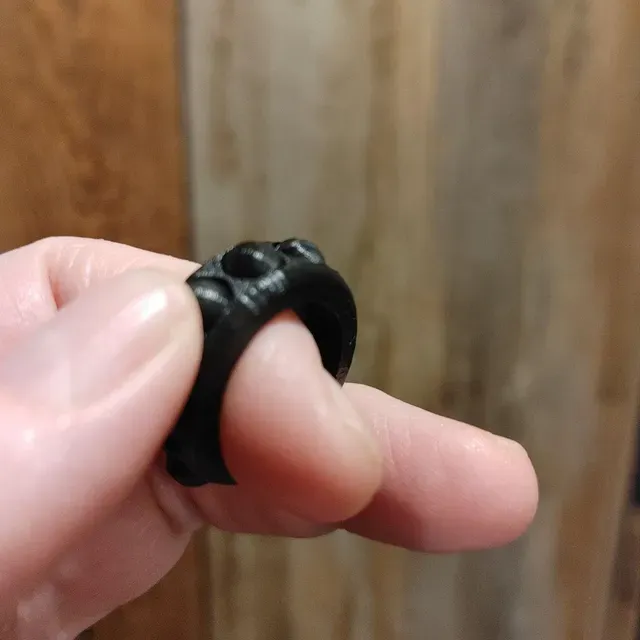
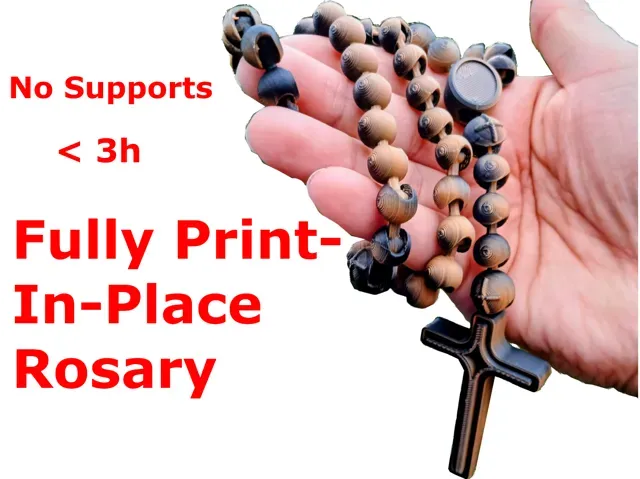
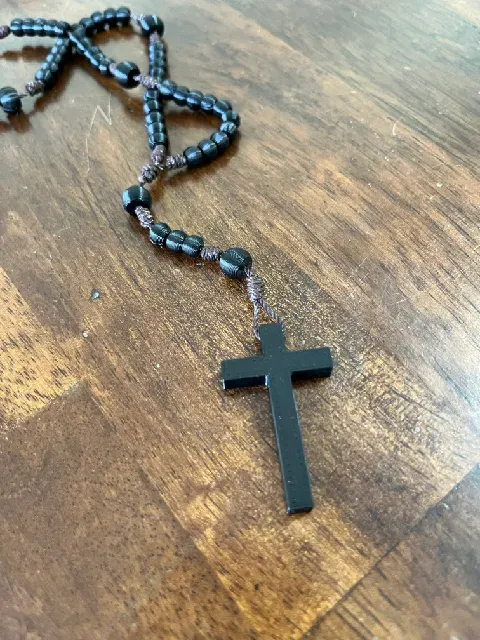
This collection gathers rosary-related 3D models: single-decade finger beads, full strands that print as one piece, rings, holders and small devotional figures. Most of them are compact enough for a short 3D printing session on a desktop machine. It is useful if you want a small object for a pocket, a stand for an existing rosary, or a figure to print alongside it. Polyzon does not confirm whether models are free, their price, license, official status, affiliation, safety or fitness. Check the current terms at the source.
Le texte de cette collection est rédigé en anglais ; la recherche, elle, fonctionne dans toutes les langues.
 Une collection Polyzon · 48 modèles sur 4 plateformes
Polyzon compose cette collection à partir des résultats de recherche des plateformes connectées. Les doublons et les modèles sans aperçu sont retirés, les correspondances faibles sont placées à la fin, et le reste suit l’ordre de la recherche. Les modèles appartiennent à leurs auteurs : consultez les conditions sur la page de chaque modèle.
Règles de sélection : la rédaction de Polyzon · Texte mis à jour le 14/10/2026
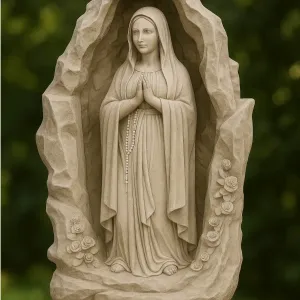


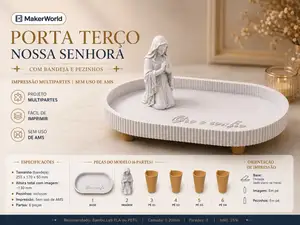


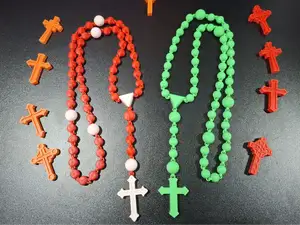
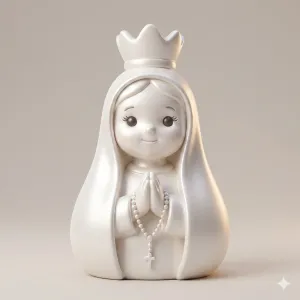

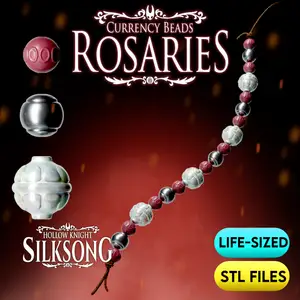
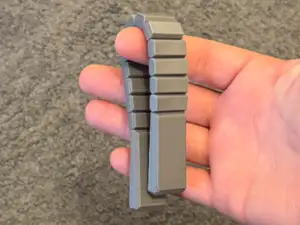
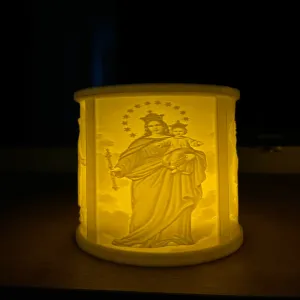



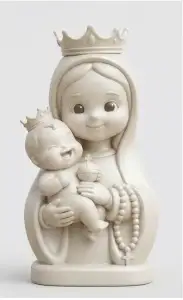


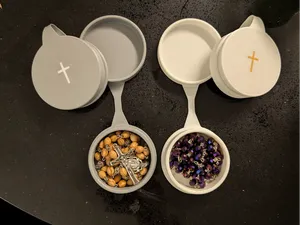
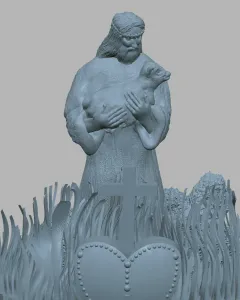



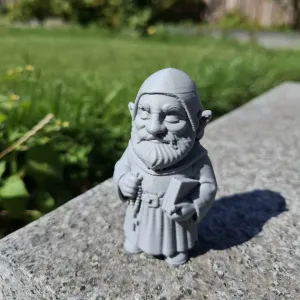


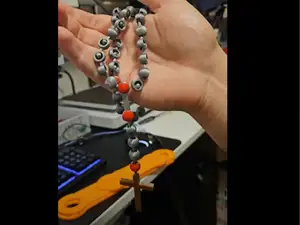




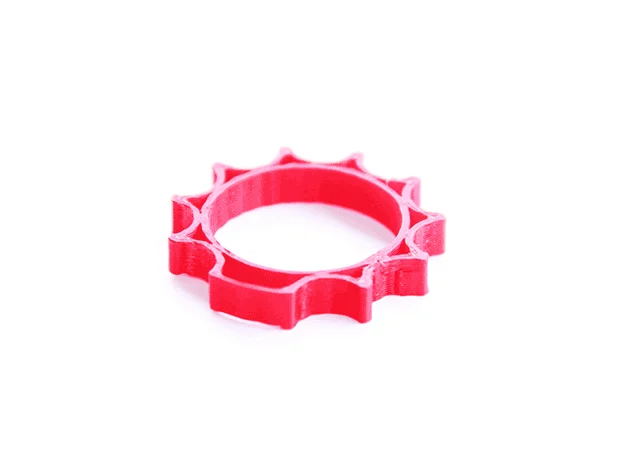

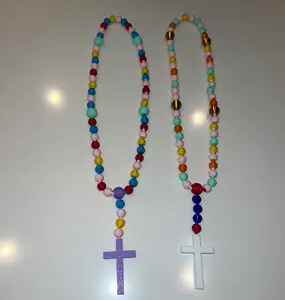
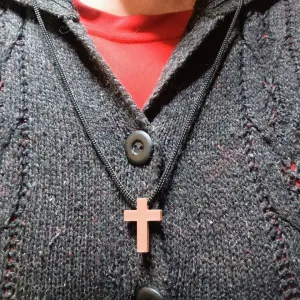


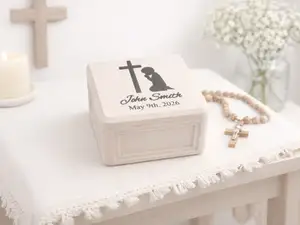
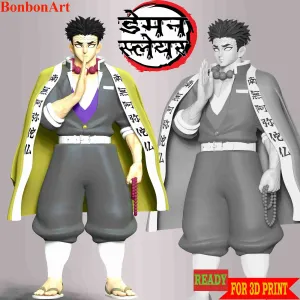


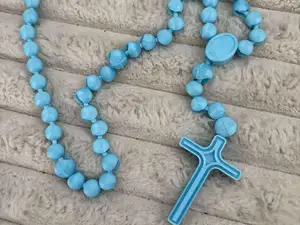

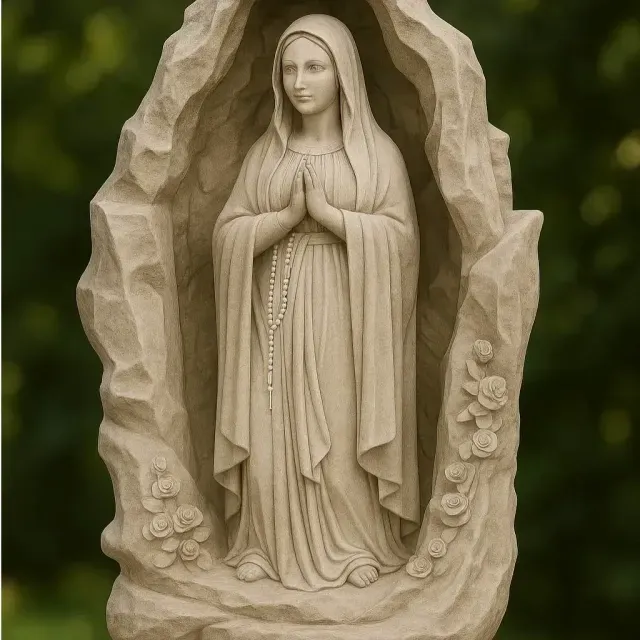
The models differ mainly in how the beads are formed. Finger rosaries and rings are usually a single small body with raised bead shapes, while full strands either print in place as a connected chain or come as separate beads that you thread afterwards. Flip and folding variants use a hinged or segmented layout so the strand stays compact. Devotional figures and shrine pieces belong to a different group: they are sculptural prints with their own proportions and detail level.
Before printing, open the author's page and read what is listed there: overall size and scale, bead diameter, number of separate parts, and whether the geometry needs supports. Check the recommended layer height, since small beads and thin connectors show layer lines clearly at coarse settings. Material choice matters for wear — beads that rub against each other or sit in a pocket take more abrasion than a display piece. Photos of real prints on the page usually show how the chain, hinge or ring behaves after printing.
To widen the search, try synonyms such as prayer beads, decade beads, chaplet, fidget beads or knotting tool, and related terms like crucifix, cross pendant, medallion, reliquary or shrine. Combining a topic word with a format word — ring, holder, stand, keychain, print-in-place — narrows results quickly. If you are looking for a specific style, add a descriptive term such as minimal, ornamental, articulated or low-poly, and sort through the variants that appear.



Le catalogue complet des thèmes, de la maison à la CNC, avec une recherche sur tous les sites connectés.