
Gratuit 
GASB One - RC Flying wing fully printed (ONLY 9 PIECES GLUELESS)
Thingiverse
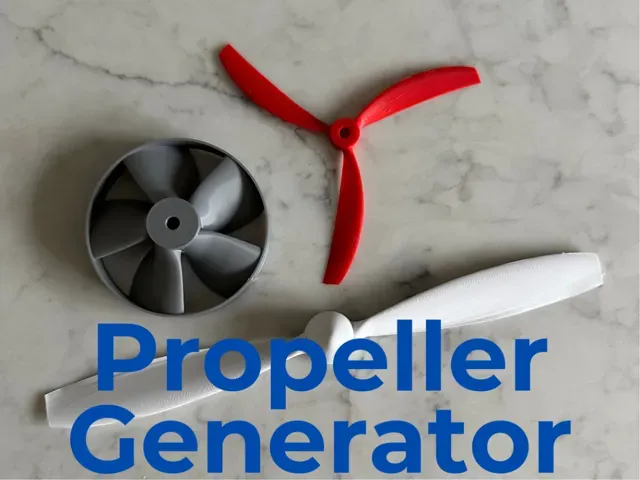
This collection gathers 3D models of propellers and propeller-related parts for FPV drones, RC aircraft and a few other craft. It covers multirotor blades, toroidal loop designs, plane props and parametric generators that let you set your own dimensions. It is useful when you need a replacement blade, a different diameter or pitch, or a part that fits a specific motor shaft for 3D printing. Polyzon does not confirm whether models are free, their price, license, official status, affiliation, safety or fitness. Check the current terms at the source.
Le texte de cette collection est rédigé en anglais ; la recherche, elle, fonctionne dans toutes les langues.
 Une collection Polyzon · 47 modèles sur 3 plateformes
Polyzon compose cette collection à partir des résultats de recherche des plateformes connectées. Les doublons et les modèles sans aperçu sont retirés, les correspondances faibles sont placées à la fin, et le reste suit l’ordre de la recherche. Les modèles appartiennent à leurs auteurs : consultez les conditions sur la page de chaque modèle.
Règles de sélection : la rédaction de Polyzon · Texte mis à jour le 15/10/2026

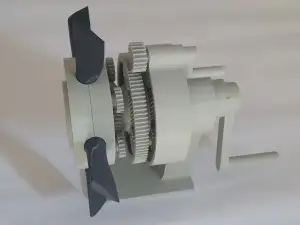

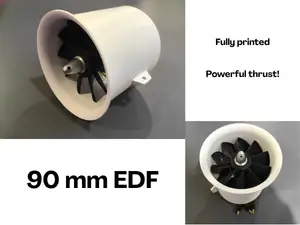

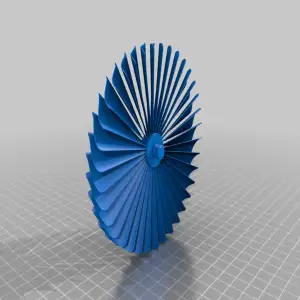


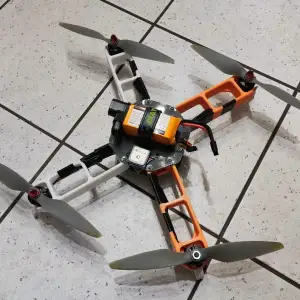

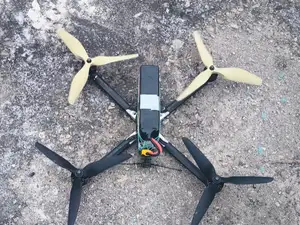
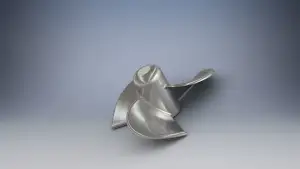
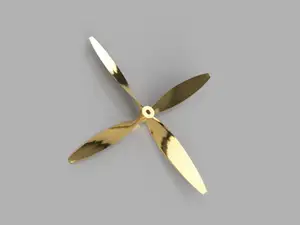
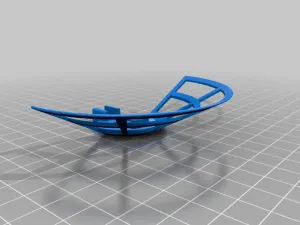


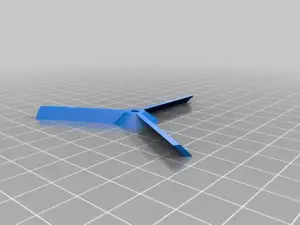

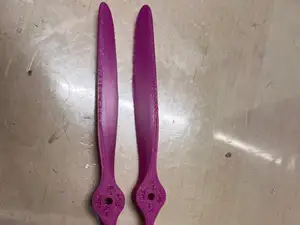
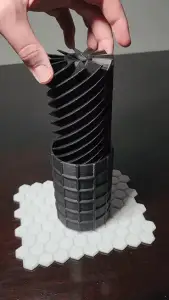

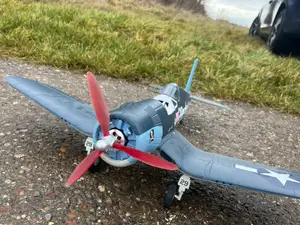
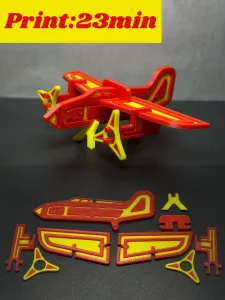

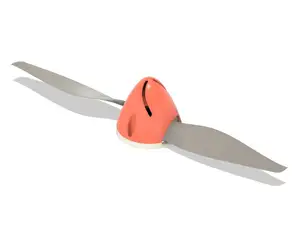

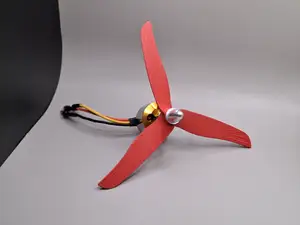
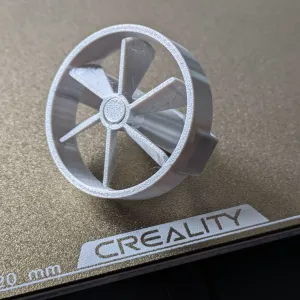

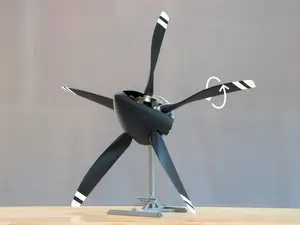
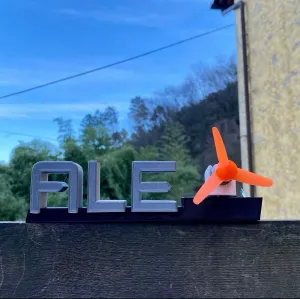

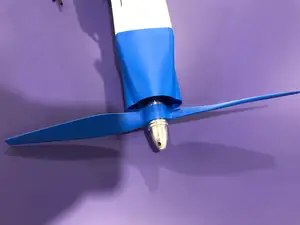
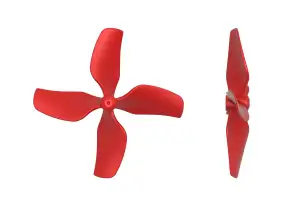

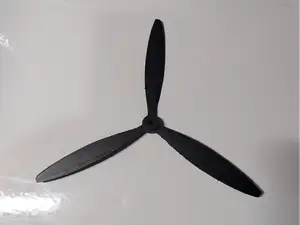
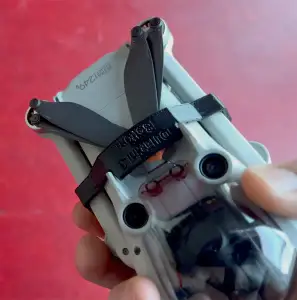

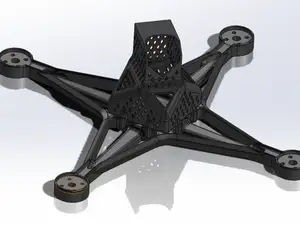
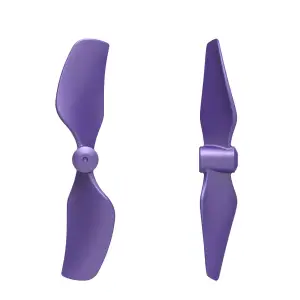
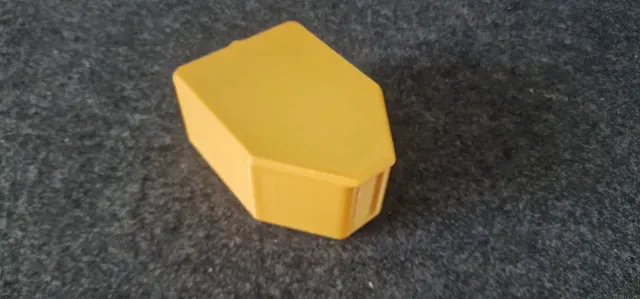
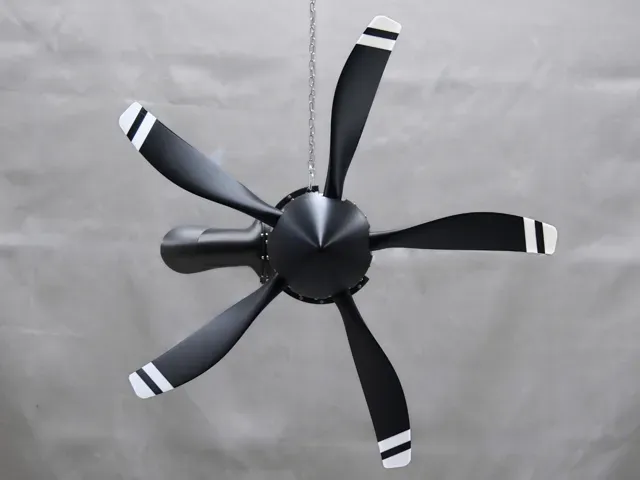
The models differ mainly by aircraft type and blade geometry. Multirotor props are usually short, wide and made in two- or three-blade sets, while plane props are longer and thinner with a fixed pitch. Toroidal and loop-style designs trade a more complex shape for a different airflow pattern, and parametric generators produce a file from values you enter rather than a fixed outline. There are also non-aircraft props, such as boat propellers, and accessories like mounts, nuts and storage cases.
Before printing, check the shaft or mount the model expects: bore diameter, hole pattern and hub height decide whether a prop will sit on your motor. Look at the stated diameter and pitch, the number of blades, and whether the design is meant to be printed as one piece or glued from parts. Read the author's notes on material, layer height and supports, and look at photos of finished prints to judge how thin the blades and tips really are.
If the first results are too narrow, try other terms: rotor, blade, quadcopter, cinewhoop, ducted fan or EDF for powered aircraft, and tri-blade or toroidal for geometry. Searching by diameter and pitch, such as a 5-inch or 7-inch size, often works better than a generic word. Related topics include drone frames sized for a given prop, motor mounts, and propeller balancing or storage accessories.


Le catalogue complet des thèmes, de la maison à la CNC, avec une recherche sur tous les sites connectés.