
Gratuit 
Handle for Allen/Hex Wrench/Key
Thingiverse
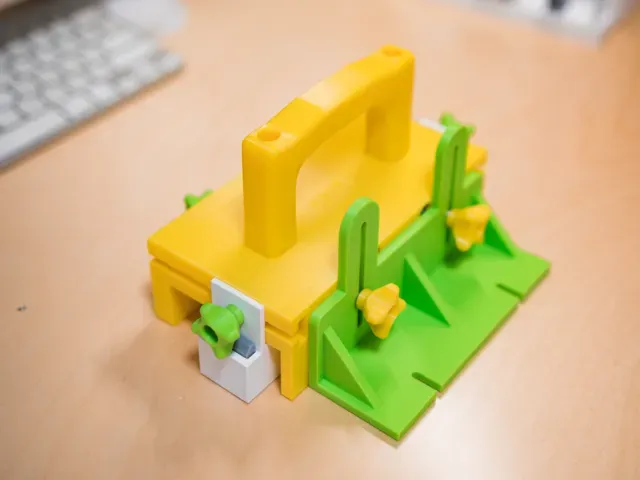
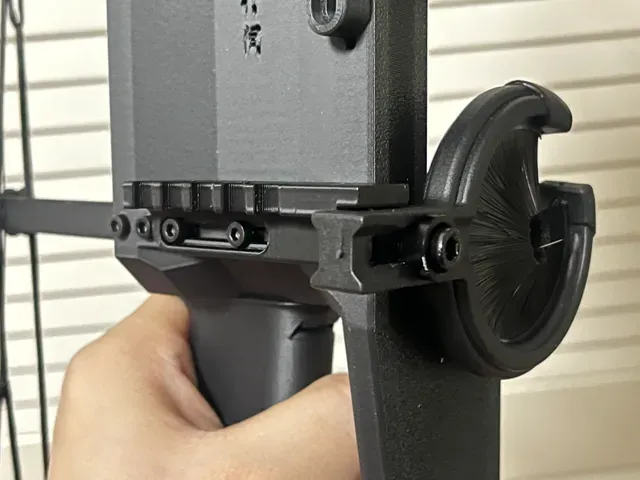
This collection gathers STL files for handles: sleeves for hex keys, grips for drills and airbrushes, lid handles for printer enclosures, and pulls for drawers and doors. It helps when a stock handle is missing, broken or too small for your hand. Most files are small enough to print on any 3D printer in a single short job. Polyzon does not confirm whether models are free, their price, license, official status, affiliation, safety or fitness. Check the current terms at the source.
Le texte de cette collection est rédigé en anglais ; la recherche, elle, fonctionne dans toutes les langues.
 Une collection Polyzon · 47 modèles sur 3 plateformes
Polyzon compose cette collection à partir des résultats de recherche des plateformes connectées. Les doublons et les modèles sans aperçu sont retirés, les correspondances faibles sont placées à la fin, et le reste suit l’ordre de la recherche. Les modèles appartiennent à leurs auteurs : consultez les conditions sur la page de chaque modèle.
Règles de sélection : la rédaction de Polyzon · Texte mis à jour le 15/10/2026

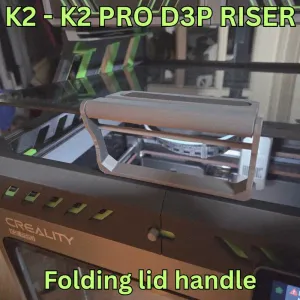


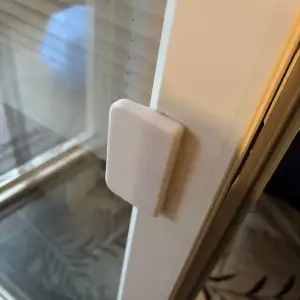

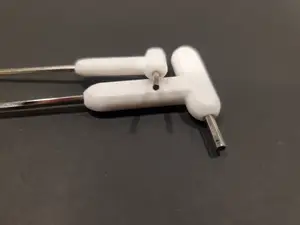
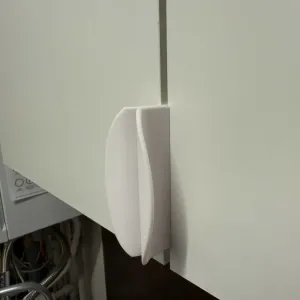

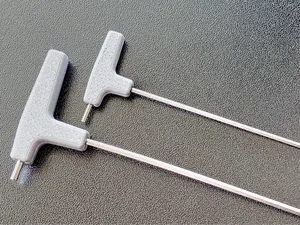
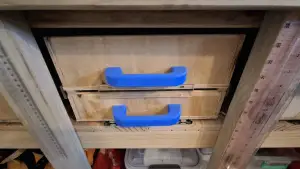

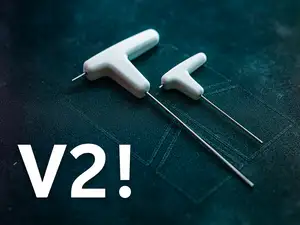
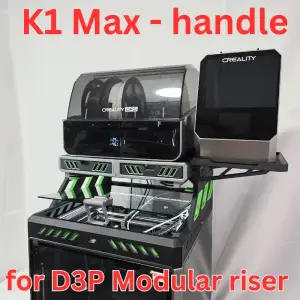


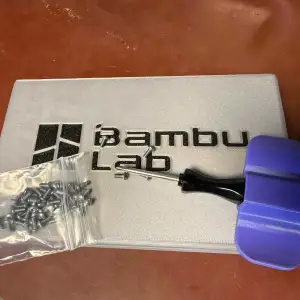

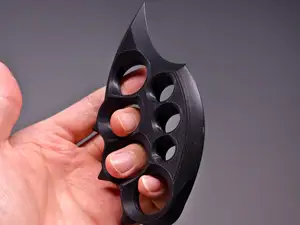
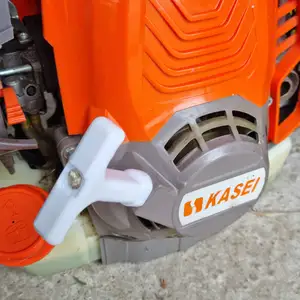

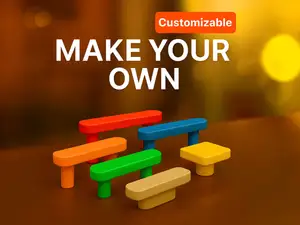
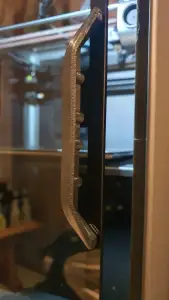

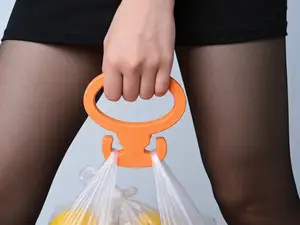
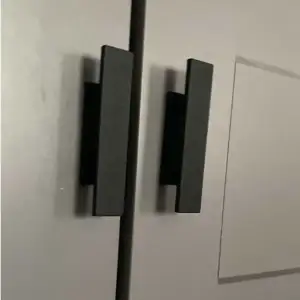

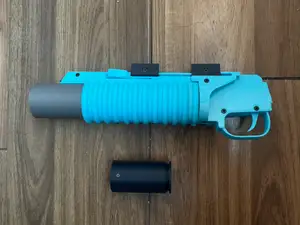

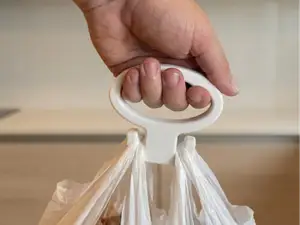
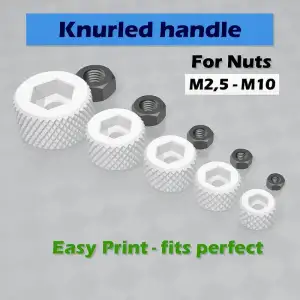

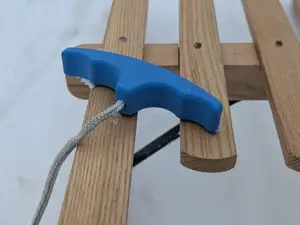
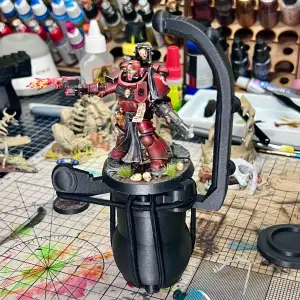

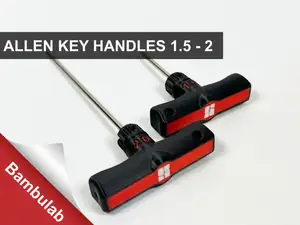
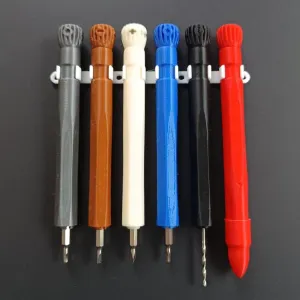


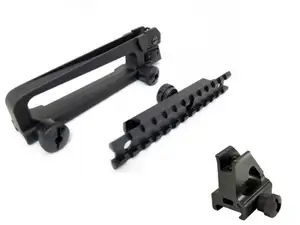
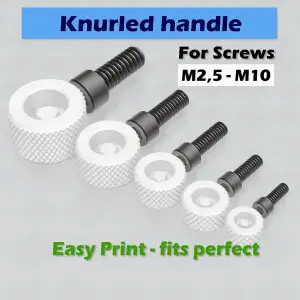
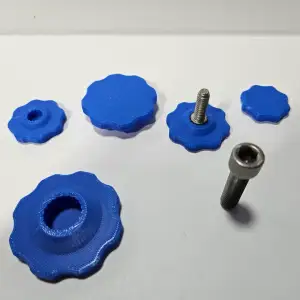
The handles here differ mainly in how they attach. Key and driver handles slide over a shaft or a hex key and rely on friction or a pinch screw; tool grips wrap around a body and are often printed in two halves; furniture pulls mount with screws through a flat base; lid handles for printer risers usually replace an original part and follow its hole pattern. Print-in-place versions combine the handle and its hinge in one piece, which removes assembly but limits how you can orient the part.
Before printing, measure the object the handle serves: the across-flats size of the key, the shaft diameter, the screw spacing and the panel thickness. Check the model page for the dimensions the author lists, the number of parts, and whether supports are needed. Layer orientation matters on a handle, since a pull is loaded across the layers if the part is printed flat; the author's photos of real prints show how the piece is meant to sit on the bed. Material choice follows the use: a rigid filament for a drawer pull, a tougher one for a grip that flexes.
If a search returns little, try the words people use for the same object: grip, knob, pull, sleeve, bracket, replacement. Combining a term with the thing it serves works better than a generic word — hex key, drawer, cupboard, lid, riser, airbrush, scraper. Related topics such as enclosure parts, printer accessories or workshop storage often contain handles filed under a different name. Adjusting the size range or adding a shaft measurement narrows the list further.



Le catalogue complet des thèmes, de la maison à la CNC, avec une recherche sur tous les sites connectés.