Gratuit 
F1 Tracks with Elevation (and without)
Thingiverse
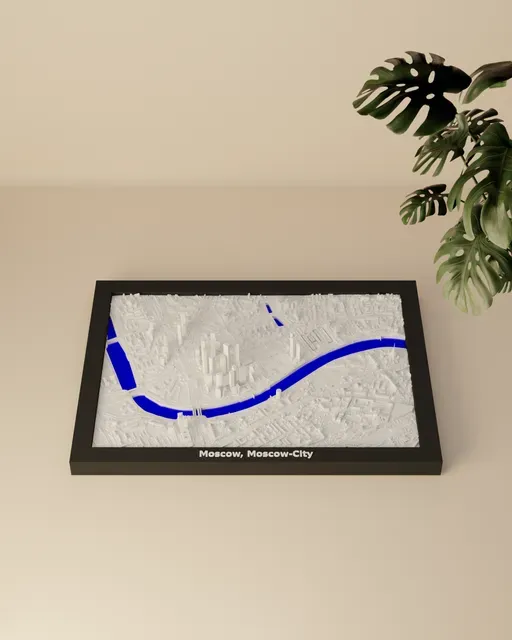
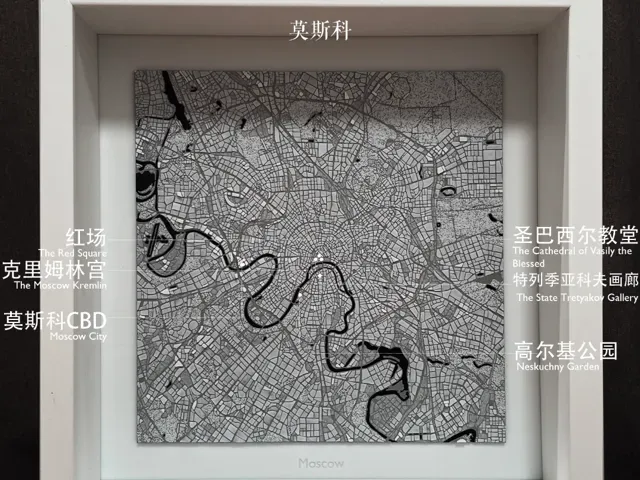
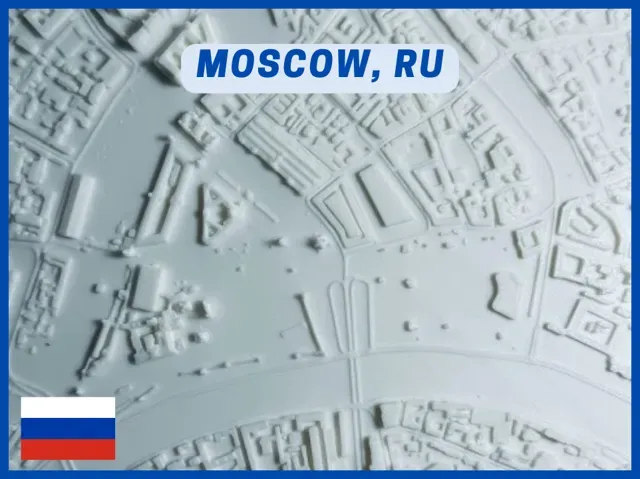
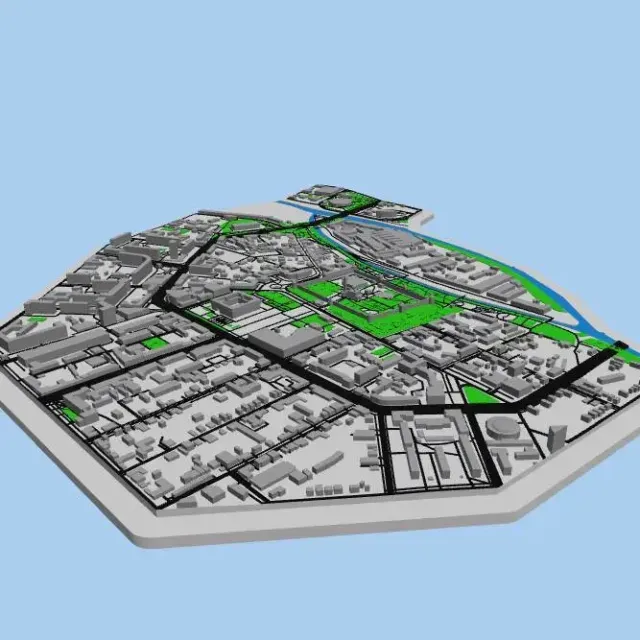
This collection covers 3D models tied to Russian cities, from miniature districts and landmark buildings to vehicles and tabletop terrain. Most entries are STL meshes prepared for 3D printing at scales that range from a desk piece to wargaming scenery. It gives you a starting point for a single building, a whole cityscape or a themed set. Polyzon does not confirm whether models are free, their price, license, official status, affiliation, safety or fitness. Check the current terms at the source.
Le texte de cette collection est rédigé en anglais ; la recherche, elle, fonctionne dans toutes les langues.
 Une collection Polyzon · 47 modèles sur 4 plateformes
Polyzon compose cette collection à partir des résultats de recherche des plateformes connectées. Les doublons et les modèles sans aperçu sont retirés, les correspondances faibles sont placées à la fin, et le reste suit l’ordre de la recherche. Les modèles appartiennent à leurs auteurs : consultez les conditions sur la page de chaque modèle.
Règles de sélection : la rédaction de Polyzon · Texte mis à jour le 12/10/2026
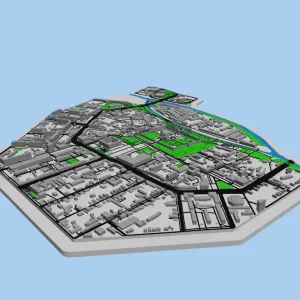

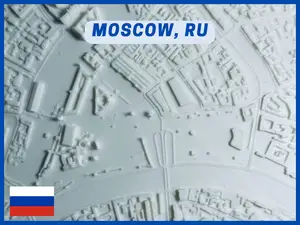
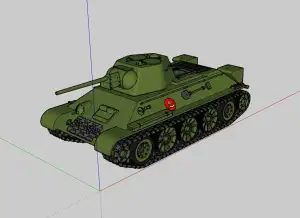

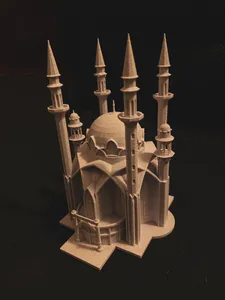
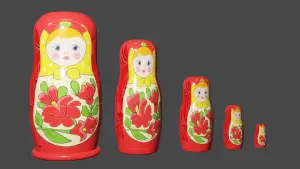

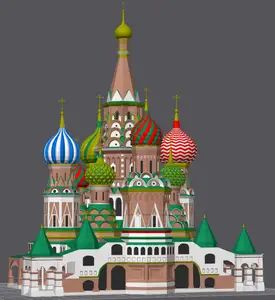
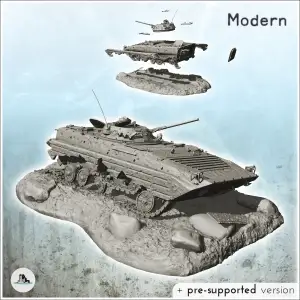

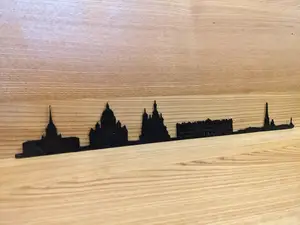

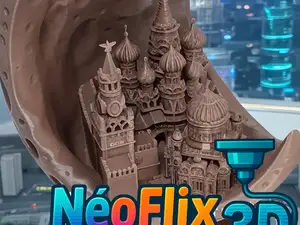
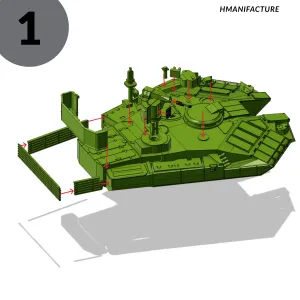

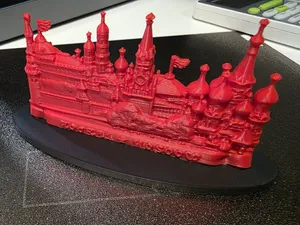
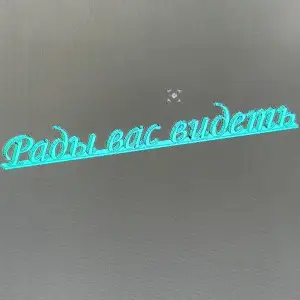


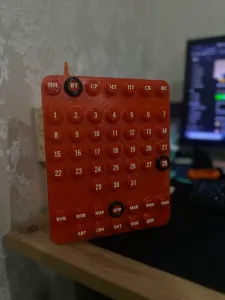

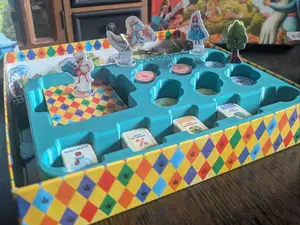


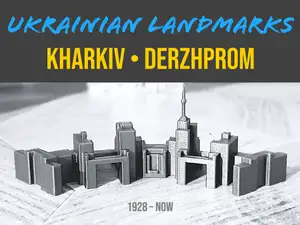
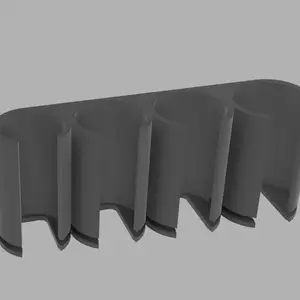
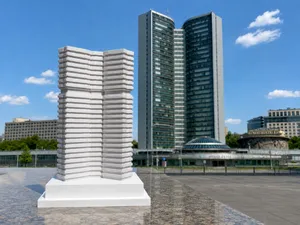
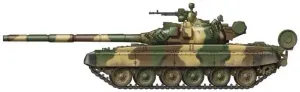

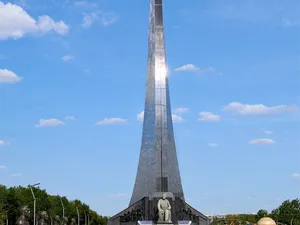
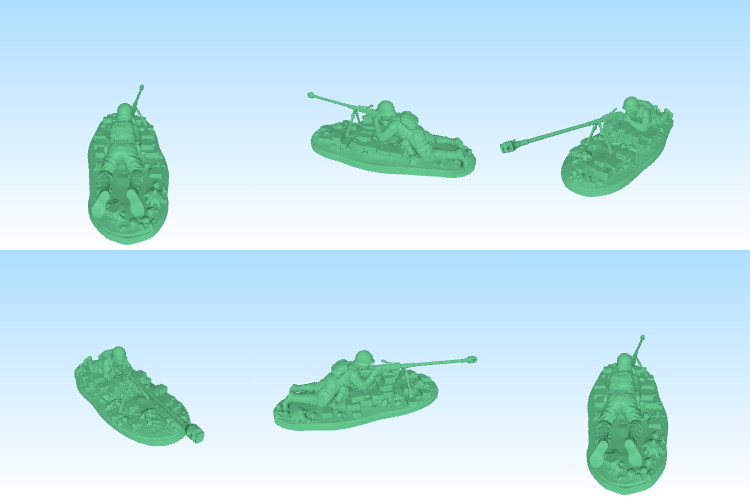

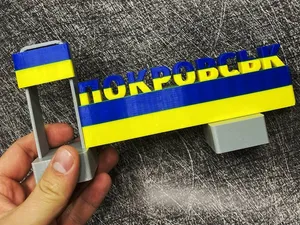
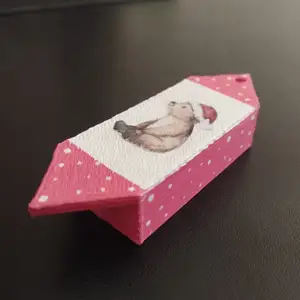

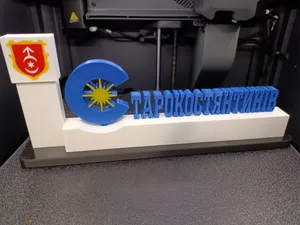
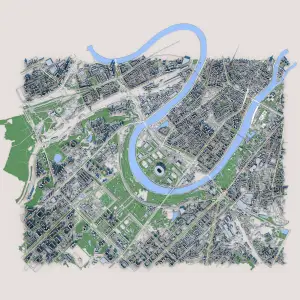


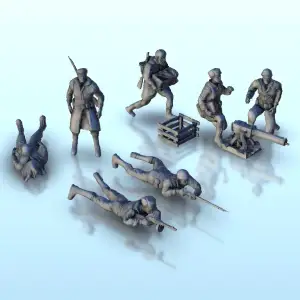


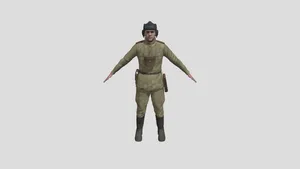
The models fall into a few groups. City miniatures and texture tiles reproduce districts and street layouts, often as flat plates or blocks that can be placed side by side. Landmark models focus on a single structure such as a cathedral or mosque, while military entries cover tanks and other vehicles. Terrain and board game pieces sit between the two: buildings and ruins made to fill a table, not to match a real address.
Before printing, open the author's model page and read what is listed there. Check the stated scale and overall dimensions, since a district tile and a cathedral can differ by an order of magnitude. Look at the part count and whether the model is one piece or an assembly, whether the author mentions supports, and which material and layer height were used. Photos of real prints show how thin walls, domes and roof details actually come out.
To widen or narrow the results, try related wording: city name plus the word miniature, skyline, texture or diorama. Landmark searches work better with the building type, such as cathedral, mosque or fortress. For tabletop use, terms like wargaming terrain, scale model or board game building bring up pieces that are meant to be handled. Combining a city name with a scale number usually filters the list quickly.
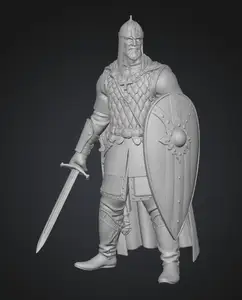

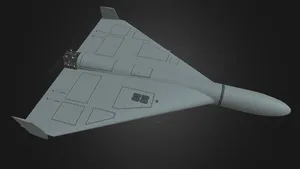

Le catalogue complet des thèmes, de la maison à la CNC, avec une recherche sur tous les sites connectés.