Gratuit 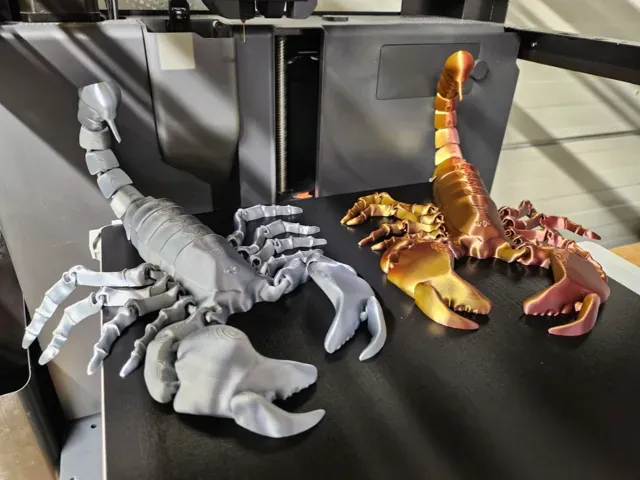
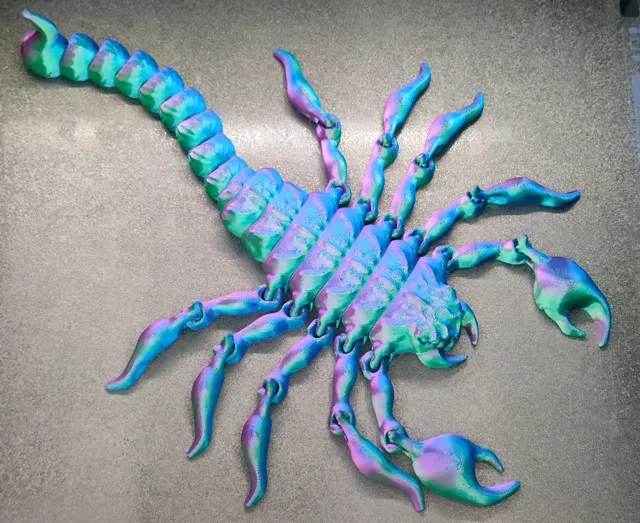
Flexi scorpion
MakerWorld
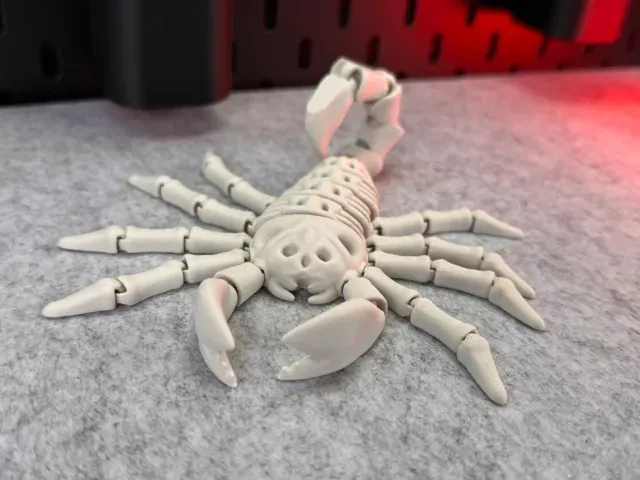
This collection gathers scorpion 3D models in several directions: articulated figures, flexi prints, puzzle kits and display sculptures. It helps you compare how each approach handles the claws, tail and legs before you commit filament to a 3D printing session. Most entries are STL files meant for a desktop 3D printer, with a few designed as flat puzzle sheets. Polyzon does not confirm whether models are free, their price, license, official status, affiliation, safety or fitness. Check the current terms at the source.
Le texte de cette collection est rédigé en anglais ; la recherche, elle, fonctionne dans toutes les langues.
 Une collection Polyzon · 48 modèles sur 8 plateformes
Polyzon compose cette collection à partir des résultats de recherche des plateformes connectées. Les doublons et les modèles sans aperçu sont retirés, les correspondances faibles sont placées à la fin, et le reste suit l’ordre de la recherche. Les modèles appartiennent à leurs auteurs : consultez les conditions sur la page de chaque modèle.
Règles de sélection : la rédaction de Polyzon · Texte mis à jour le 10/10/2026

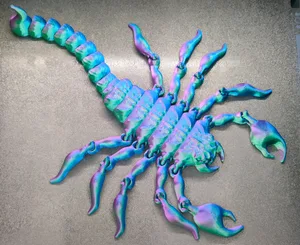
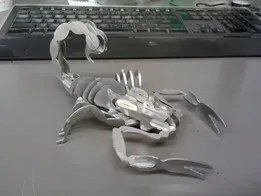
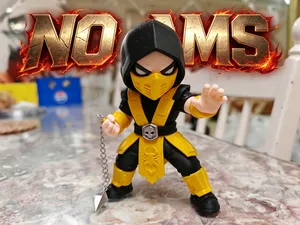


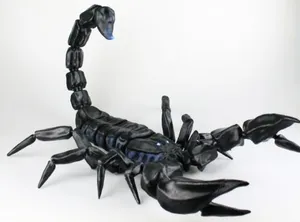
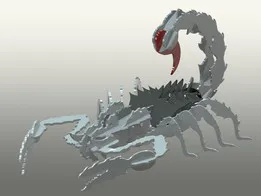

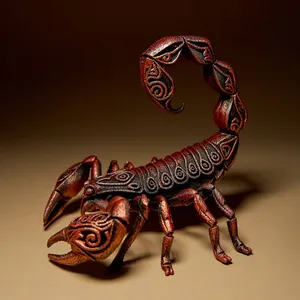

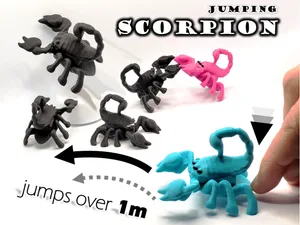

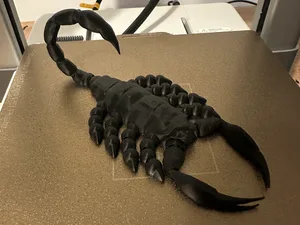


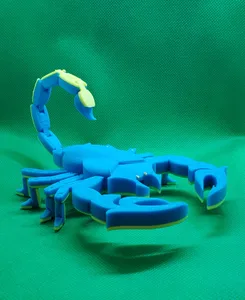

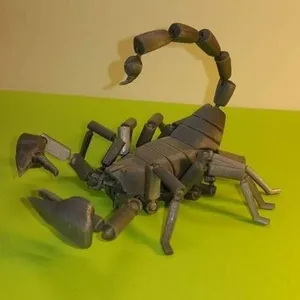

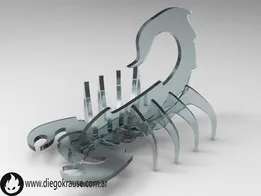
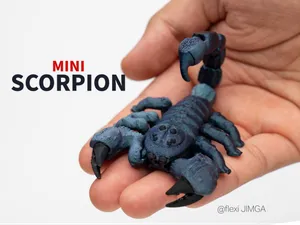


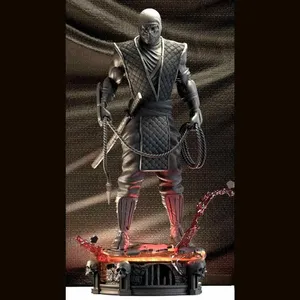


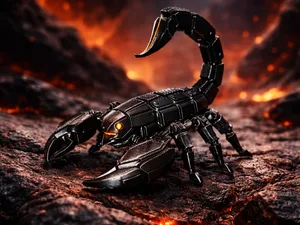

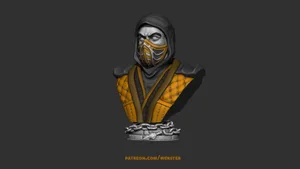
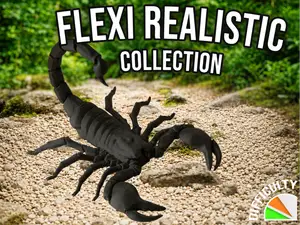

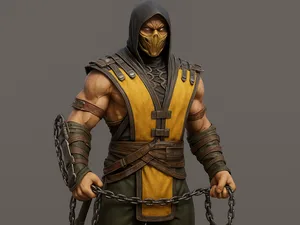

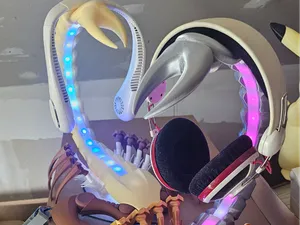
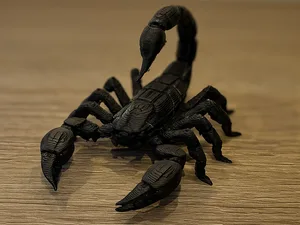
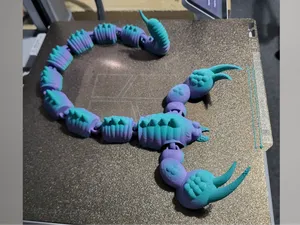
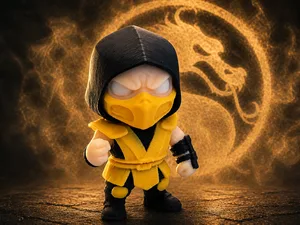

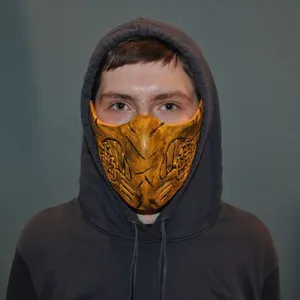
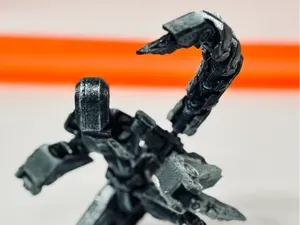

Articulated versions come as multi-part builds where the legs, claws and segmented tail are separate pieces joined after printing or printed in place. Flexi and fidget variants take the opposite route: the body is one connected shape with thin hinges, so the model moves without assembly. Puzzle and sheet-metal style kits translate the scorpion into flat interlocking plates, which changes both the look and the way the parts go together. Sculptures and character-inspired masks sit closer to a display piece, with detail concentrated on the shell texture and the tail.
Before printing, read the author's page for the number of parts, the scale the model was drawn at and whether the tail and legs need supports. Check the material and settings the author lists, since thin flexi hinges and long thin legs behave differently in rigid and flexible filaments. Look at photos of real prints to judge how the joints hold up and how much cleanup the small parts require. If the model is multi-part, plan the assembly order and the glue or pins you will use.
To widen the results, try synonyms such as arachnid, arthropod, venomous creature or desert animal, and related terms like articulated figure, flexi toy, puzzle kit or mecha. Searching by style helps too: realistic, stylized, low-poly or mask. Combining the creature name with a part type, a scale or a printing method usually narrows a broad topic faster than the name alone.



Le catalogue complet des thèmes, de la maison à la CNC, avec une recherche sur tous les sites connectés.

