
Gratuit 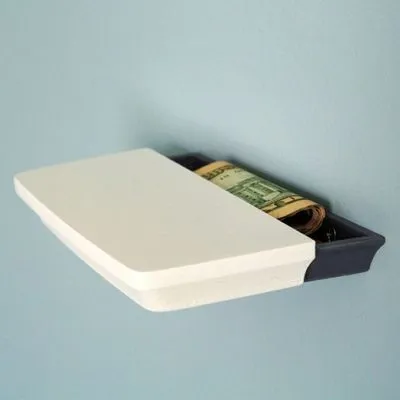
Secret Shelf
MyMiniFactory
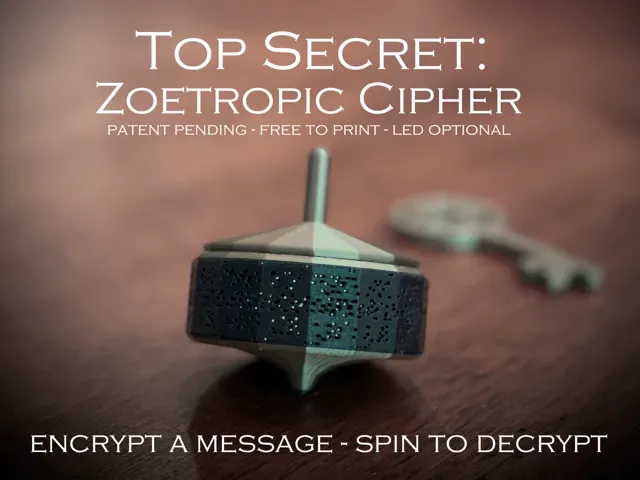
This collection gathers 3D models built around something concealed: boxes with hidden compartments, books that open into storage, puzzle locks and shelf inserts. The same idea appears at very different scales, from small decorative objects to practical organizers. Most files are made for a desktop 3D printer and come as several parts. Polyzon does not confirm whether models are free, their price, license, official status, affiliation, safety or fitness. Check the current terms at the source.
Le texte de cette collection est rédigé en anglais ; la recherche, elle, fonctionne dans toutes les langues.
 Une collection Polyzon · 46 modèles sur 7 plateformes
Polyzon compose cette collection à partir des résultats de recherche des plateformes connectées. Les doublons et les modèles sans aperçu sont retirés, les correspondances faibles sont placées à la fin, et le reste suit l’ordre de la recherche. Les modèles appartiennent à leurs auteurs : consultez les conditions sur la page de chaque modèle.
Règles de sélection : la rédaction de Polyzon · Texte mis à jour le 13/10/2026




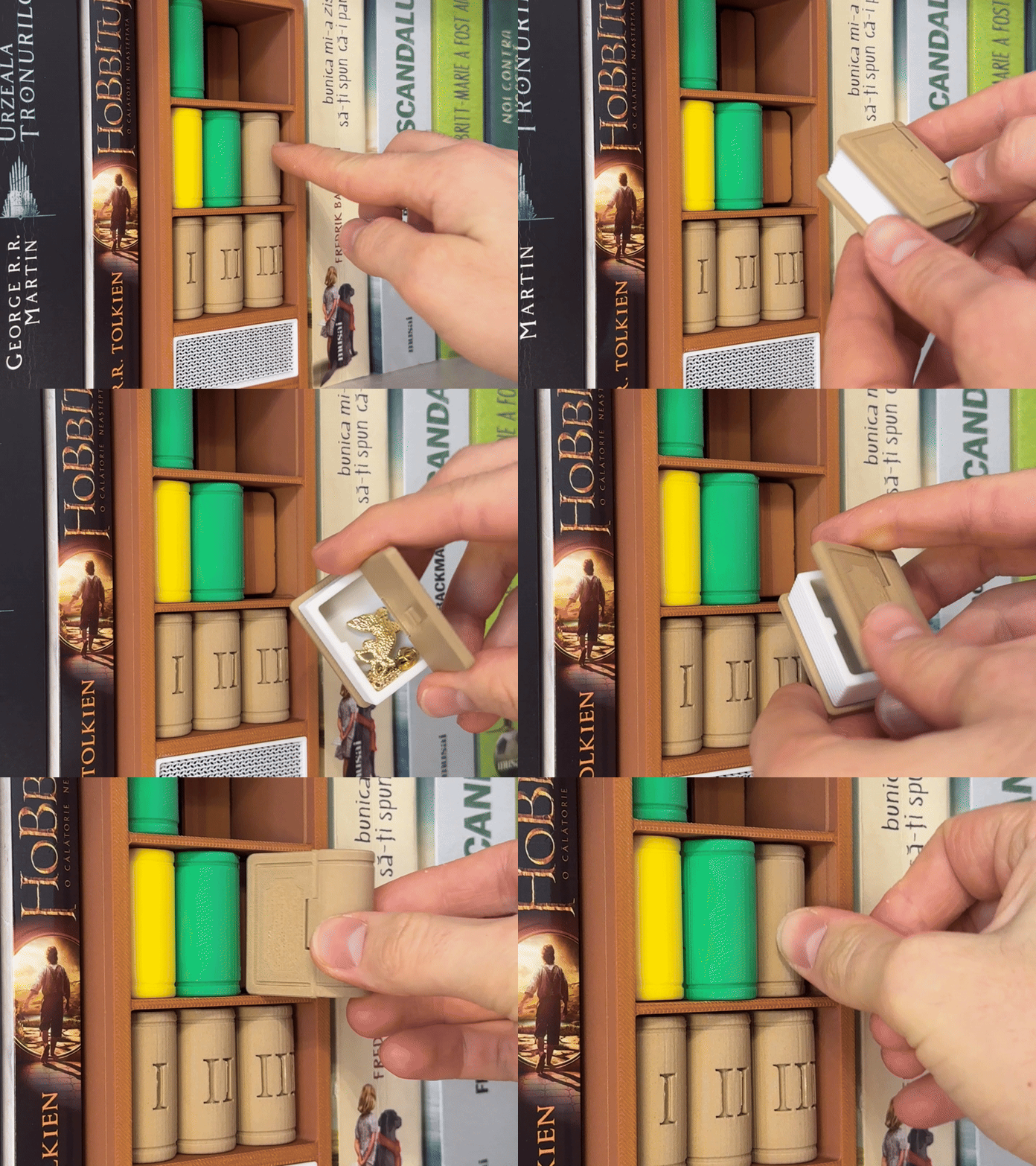


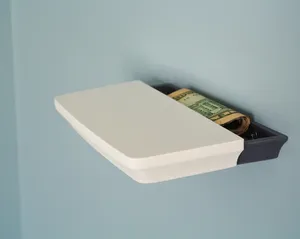
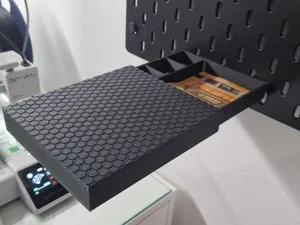

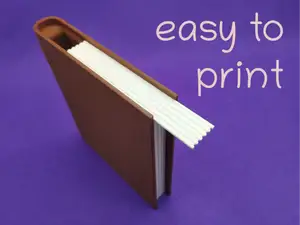

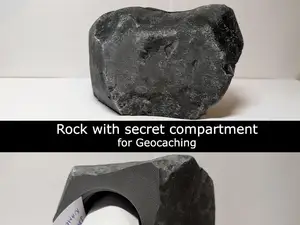

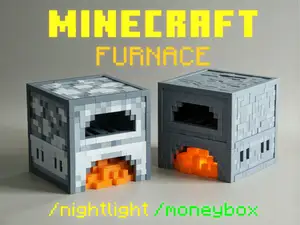


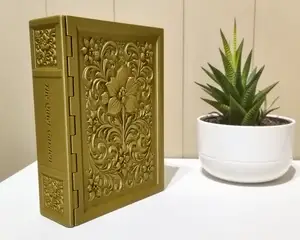


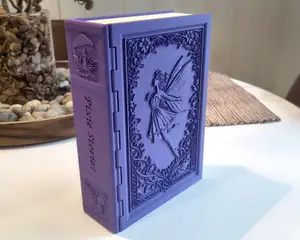
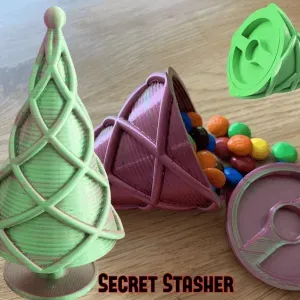

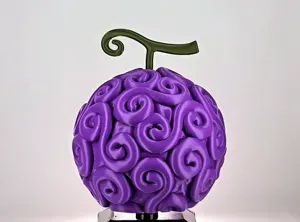
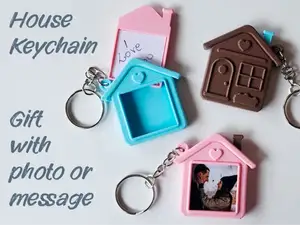
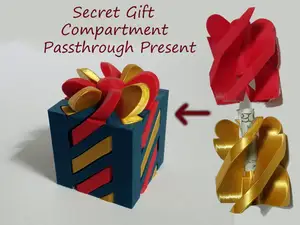
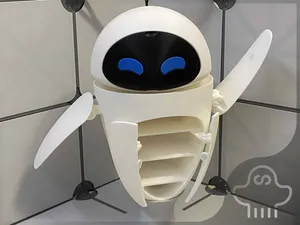

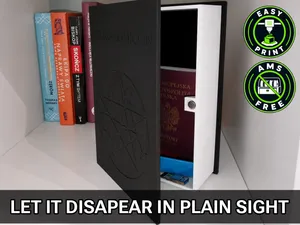
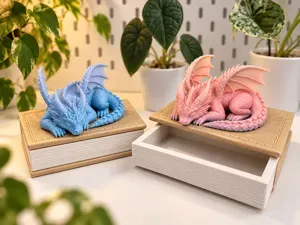



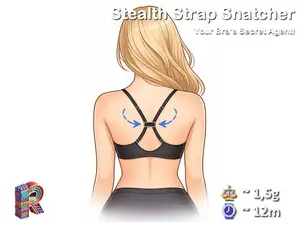


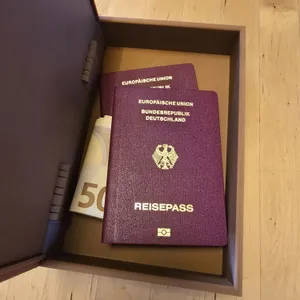
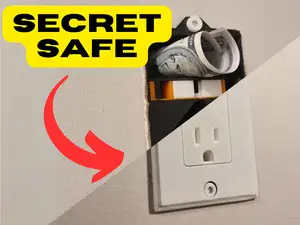


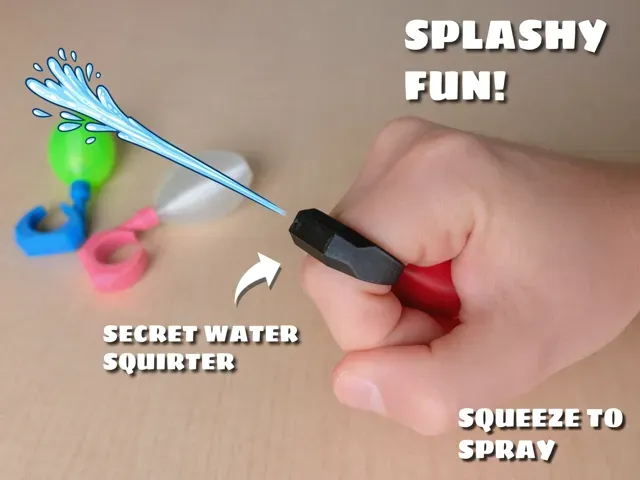
The models fall into a few recognizable groups. Lidded boxes hide a cavity under a lid, a sliding panel or a rotating section, while book-shaped models disguise storage as a spine on a shelf. Puzzle boxes rely on a sequence of moves before the compartment opens, and shelf inserts hide a small drawer inside a bracket or a rail. Novelty pieces hide a function rather than an object, such as a ring that squirts water or a buckle with a compartment behind it.
Before printing, read the author's model page for the outside dimensions and the wall thickness around the cavity, since thin walls limit how much the part can be scaled. Check how many parts are included and whether they are meant to be glued, snapped or printed as one piece, and whether the author lists supports. Look at the material and settings the author used, and at photos of real prints, because clearances between a lid and its frame decide whether the mechanism moves.
To find more of the same idea, try related wording: hidden compartment, concealed storage, puzzle lock, stash box, false bottom, or book-shaped container. Combining a term like box or shelf with hidden or secret usually narrows the results, and swapping in a theme such as heart, flower or beetle brings up decorative variants. If you want a mechanism rather than a container, search for puzzle box or locking lid instead.





Le catalogue complet des thèmes, de la maison à la CNC, avec une recherche sur tous les sites connectés.