Gratuit 
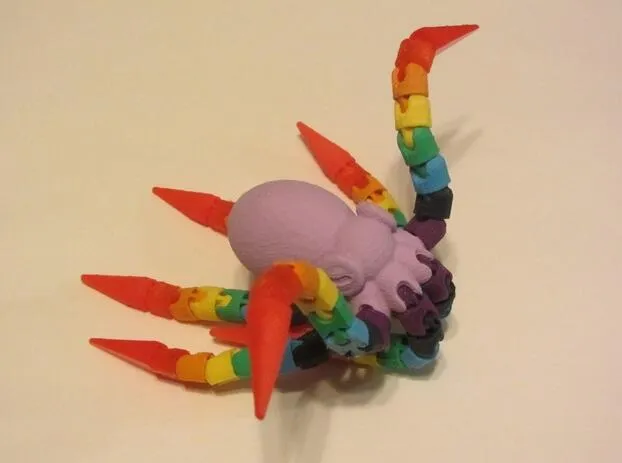
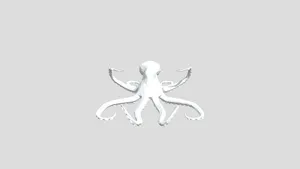
Шарнирный осьминог (осьминог + бегемот)
Cults3D
This collection gathers articulated octopus models for 3D printing, from ball-joint figures with separate segments to small keychain and fidget versions. Most files are designed to be printed as one piece, so the moving joints come out of the 3D printer already assembled. It is a useful starting point if you want a flexible figure, a small gift print, or a base design to adapt. Polyzon does not confirm whether models are free, their price, license, official status, affiliation, safety or fitness. Check the current terms at the source.
Le texte de cette collection est rédigé en anglais ; la recherche, elle, fonctionne dans toutes les langues.
 Une collection Polyzon · 46 modèles sur 7 plateformes
Polyzon compose cette collection à partir des résultats de recherche des plateformes connectées. Les doublons et les modèles sans aperçu sont retirés, les correspondances faibles sont placées à la fin, et le reste suit l’ordre de la recherche. Les modèles appartiennent à leurs auteurs : consultez les conditions sur la page de chaque modèle.
Règles de sélection : la rédaction de Polyzon · Texte mis à jour le 13/10/2026


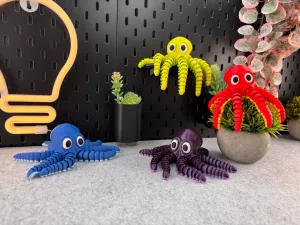
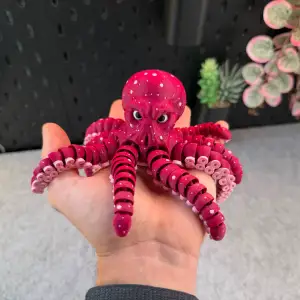


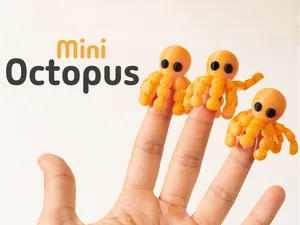
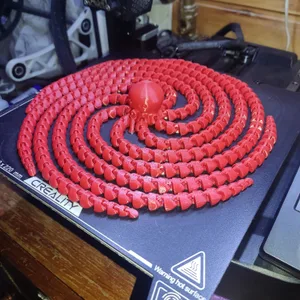

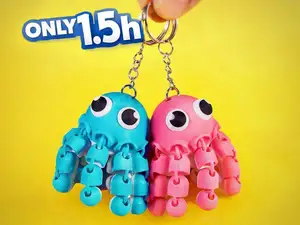
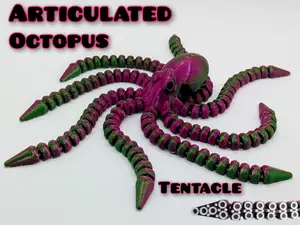
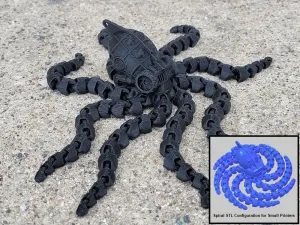

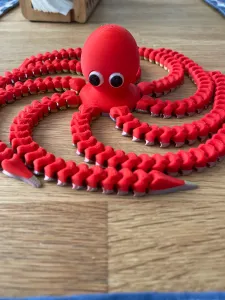
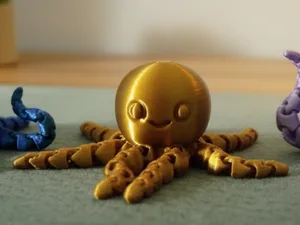
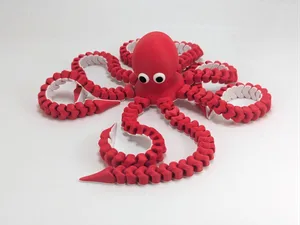
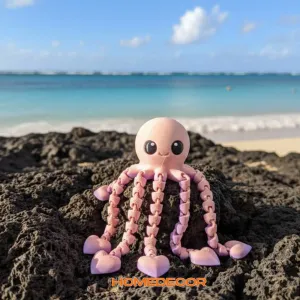

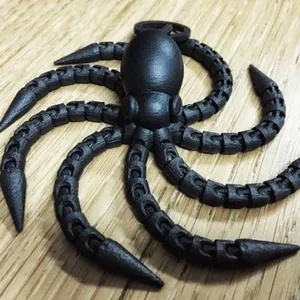
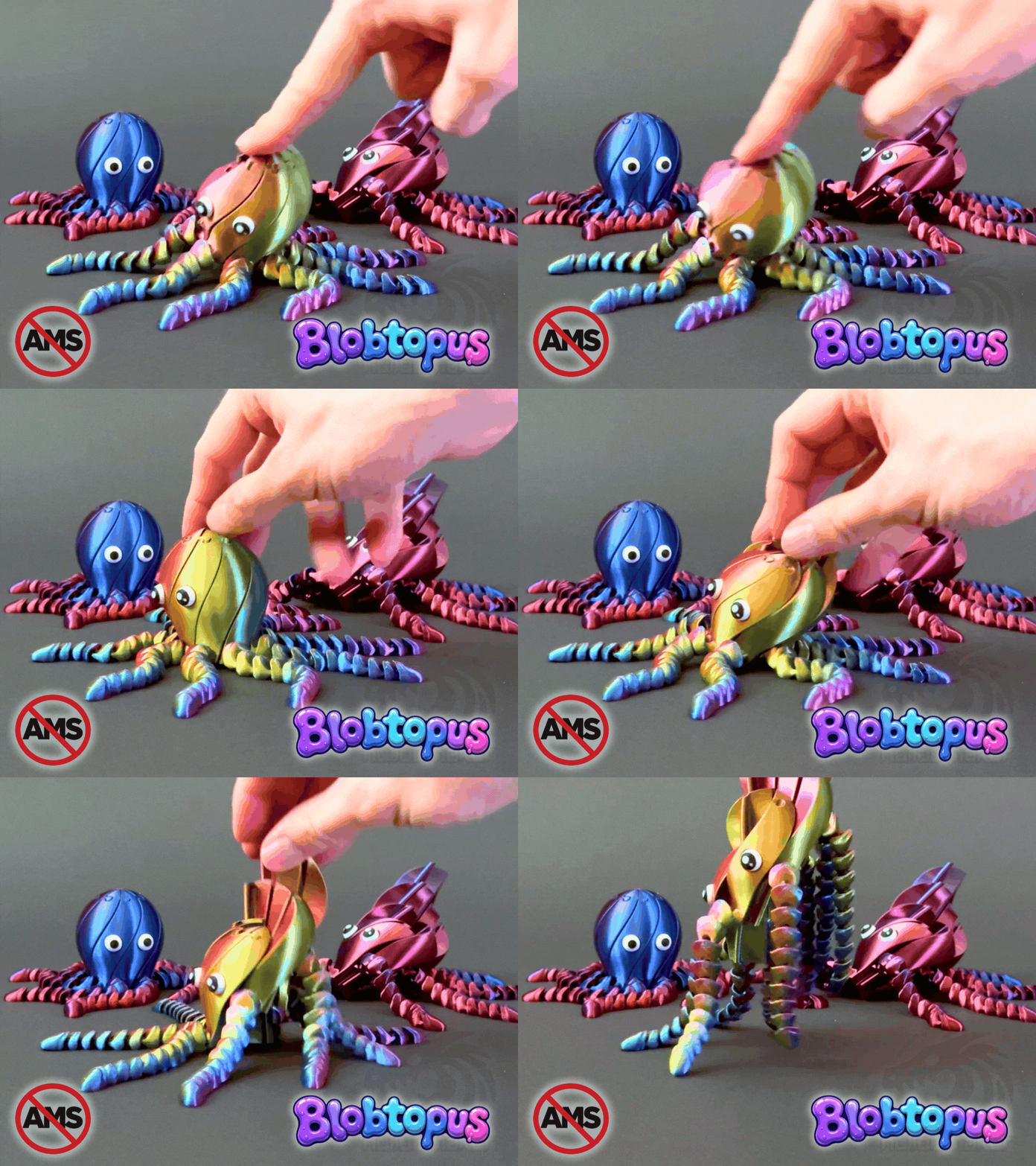
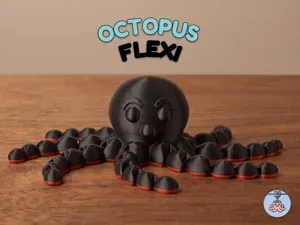
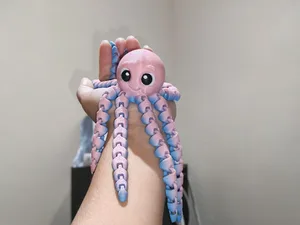

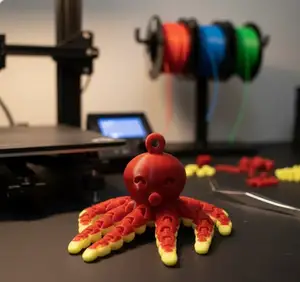

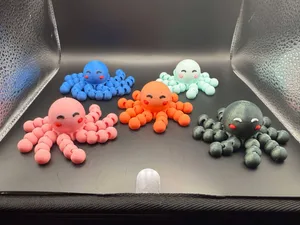
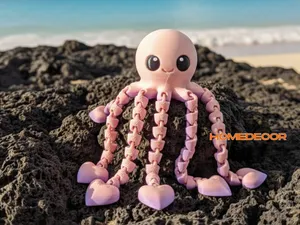


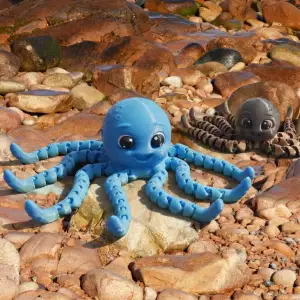
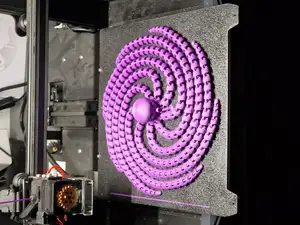

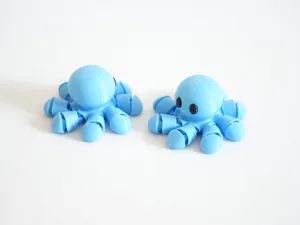
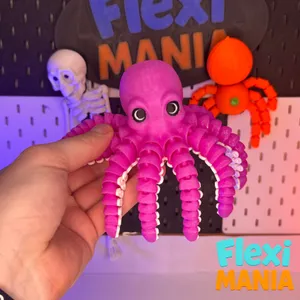
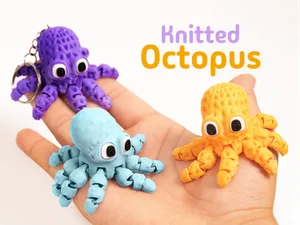
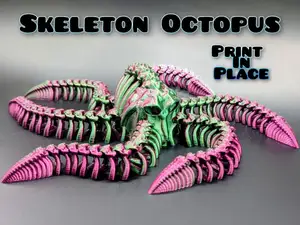

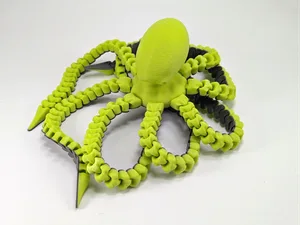
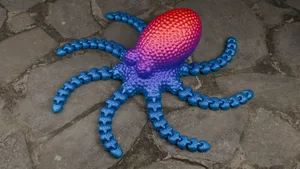
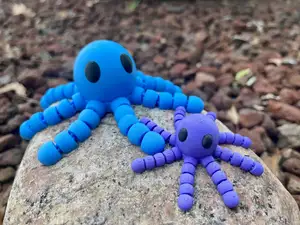
The models differ mainly in how the joints are built. Ball-joint versions use rounded sockets that snap together during printing, while print-in-place designs rely on thin gaps between segments to keep the arms movable. Scale also varies: some files are small keychain-sized pieces, others are larger display figures, and a few are cartoon-styled rather than realistic. Remixes are common, and the same joint system often reappears in cuttlefish, jellyfish or squid variations.
Before printing, open the author's model page and check the listed dimensions and scale, the number of parts and whether the file is a single piece or an assembly. Look at whether supports are mentioned, what layer height and material the author used, and how much clearance the joints need. Photos of real prints are the most useful reference for judging how the segments move and how the arms hang. Very small scales can fuse joints together, so scaling down usually means adjusting the model rather than only the slicer settings.
To widen the search, try synonyms such as flexi, ball-joint, print-in-place, fidget or keyring combined with octopus, kraken or cephalopod. Related topics include articulated cuttlefish, jellyfish and squid, which share the same joint construction, as well as other flexi animals if you want a similar print. Adding scale words like mini, large or keychain narrows results quickly, and searching for a specific joint style helps when you already know how you want the arms to move.

Le catalogue complet des thèmes, de la maison à la CNC, avec une recherche sur tous les sites connectés.