Gratuit 
Rhino vessel
Thingiverse
The word vessel covers several unrelated things in 3D printing: hollow containers, boat hulls, character figures, scent-training aids and laboratory-style shapes. This collection gathers STL files from that whole mix, so you can see how one term splits into different categories. Deciding which kind of vessel you want is the first step before you open any model page. Polyzon does not confirm whether models are free, their price, license, official status, affiliation, safety or fitness. Check the current terms at the source.
Le texte de cette collection est rédigé en anglais ; la recherche, elle, fonctionne dans toutes les langues.
 Une collection Polyzon · 46 modèles sur 5 plateformes
Polyzon compose cette collection à partir des résultats de recherche des plateformes connectées. Les doublons et les modèles sans aperçu sont retirés, les correspondances faibles sont placées à la fin, et le reste suit l’ordre de la recherche. Les modèles appartiennent à leurs auteurs : consultez les conditions sur la page de chaque modèle.
Règles de sélection : la rédaction de Polyzon · Texte mis à jour le 15/10/2026

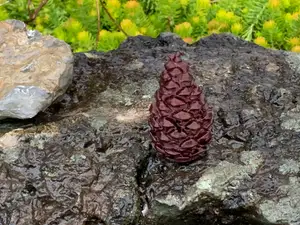
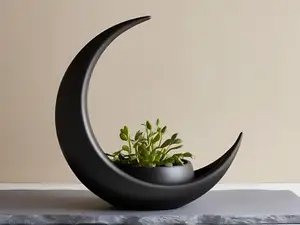
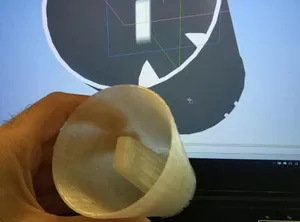
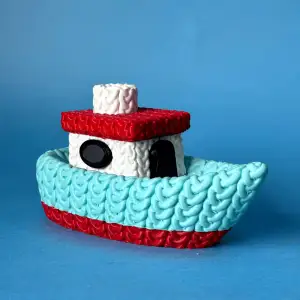


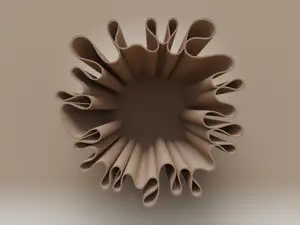
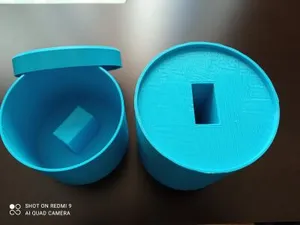
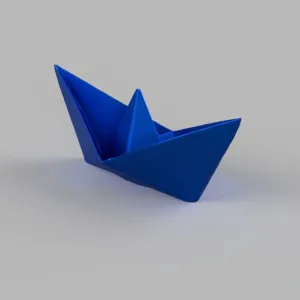

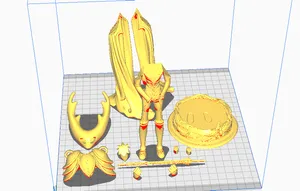
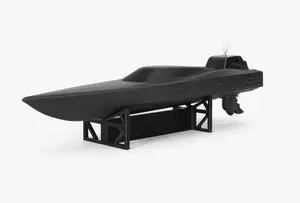
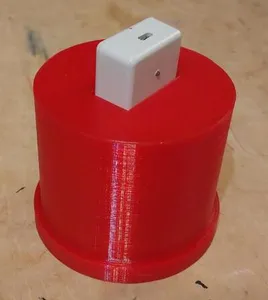
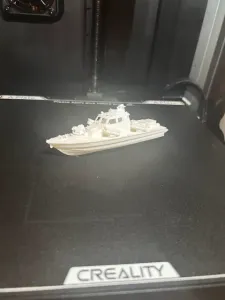

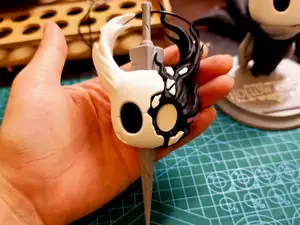
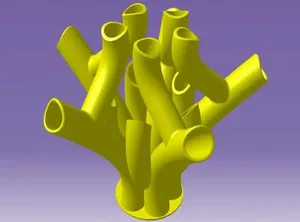
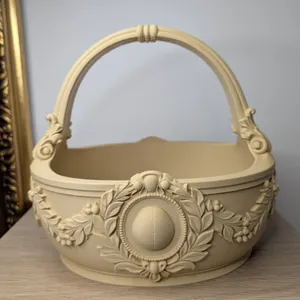

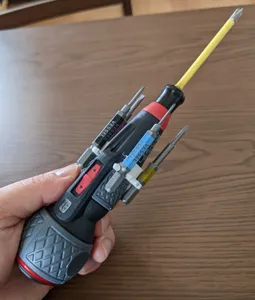
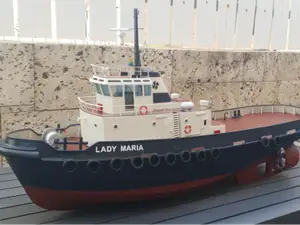
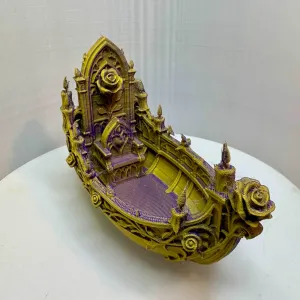

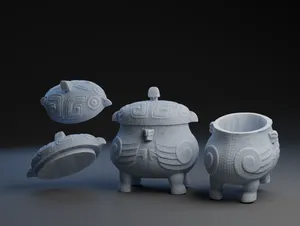
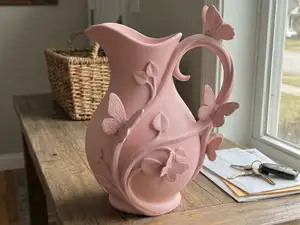
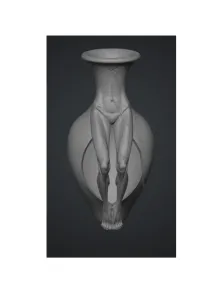

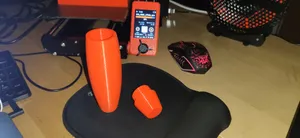

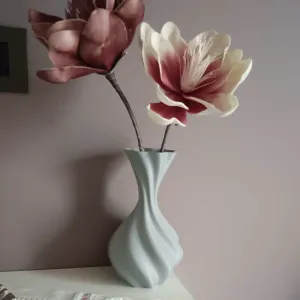

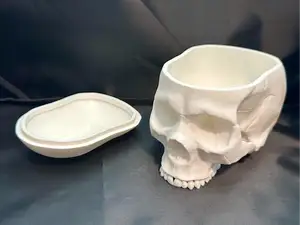
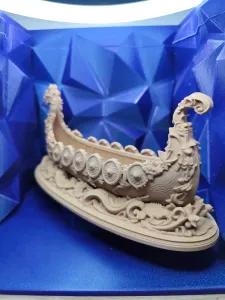

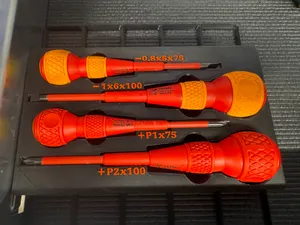
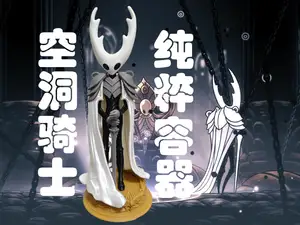
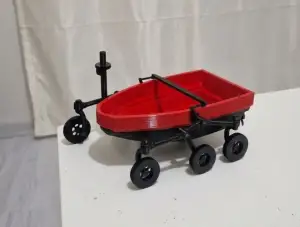

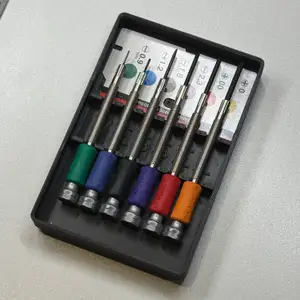
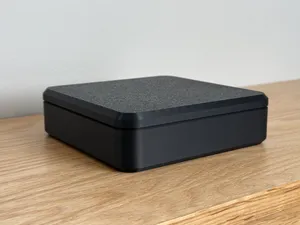
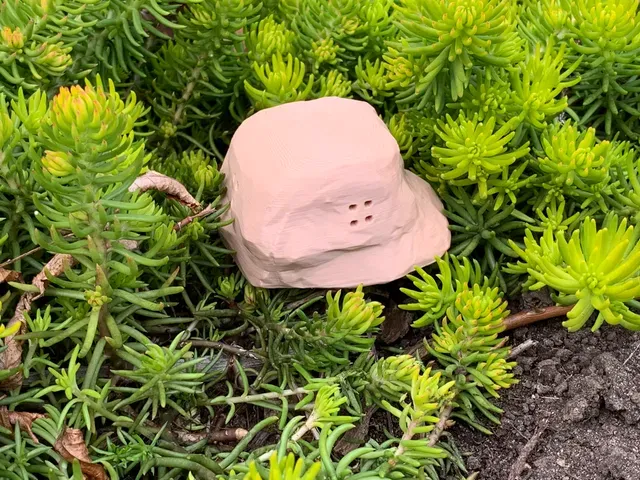
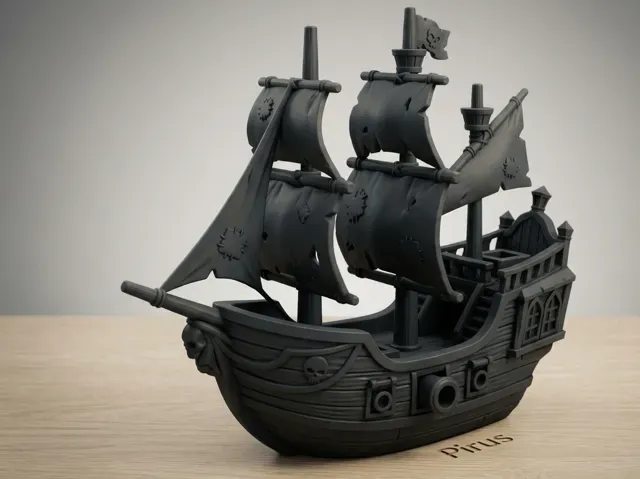
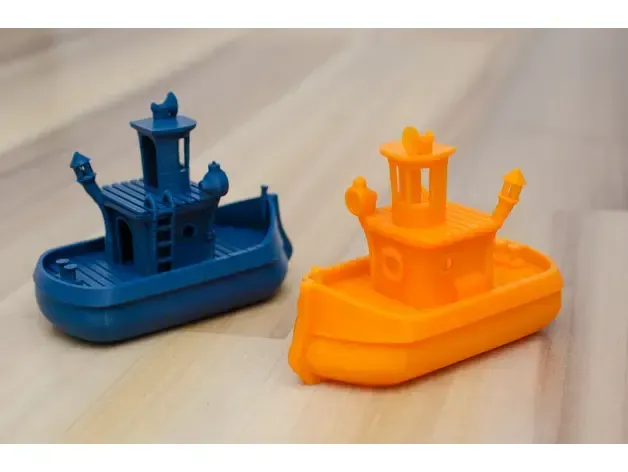
Decorative vessels are usually hollow shells whose wall thickness is set for a single-wall or standard print, while boats are often multipart hulls that need assembly. Character models share the name but are solid sculptures rather than containers. Scent-training vessels sit between the two: a hollow body with openings that hold a scent source.
On the author's model page, look at the listed dimensions and scale, the number of separate parts, and whether supports are needed. Wall thickness matters for anything meant to hold water or soil, since thin walls can deform or let light through. Check the material and settings the author lists, and look at photos of real prints to judge surface finish and how seams line up.
Because the term is broad, pair it with a synonym or a related word: vase, planter, pot, bowl, tray, hull, boat, cup, or the shape you have in mind. Adding a use or a style, such as desk, hanging, geometric or low-poly, narrows the list further. Searching in both English and Russian helps, since titles on this topic appear in both languages.
Puzzle and technical vessels form their own group: shapes with internal channels, hidden cavities or precise openings. Their geometry is less forgiving than a simple vase, so layer height and wall count deserve a closer look in the slicer preview. If a model has several parts, check how they join before committing to a long print.


Le catalogue complet des thèmes, de la maison à la CNC, avec une recherche sur tous les sites connectés.