

Gratuit 
speaker adapter (165 mm speaker) + twitter adapter (44 mm) for BMW E46 convertible/coupe
Thingiverse
This collection gathers 3D printing files for speaker-related parts: car adapters, tweeter housings, passive phone amplifiers, enclosures and grilles. It is useful when a factory mount no longer matches the driver you have, or when you want to build a small cabinet around a spare speaker. Most files are small enough for a desktop 3D printer, though larger cabinets may need splitting. Polyzon does not confirm whether models are free, their price, license, official status, affiliation, safety or fitness. Check the current terms at the source.
Le texte de cette collection est rédigé en anglais ; la recherche, elle, fonctionne dans toutes les langues.
 Une collection Polyzon · 48 modèles sur 7 plateformes
Polyzon compose cette collection à partir des résultats de recherche des plateformes connectées. Les doublons et les modèles sans aperçu sont retirés, les correspondances faibles sont placées à la fin, et le reste suit l’ordre de la recherche. Les modèles appartiennent à leurs auteurs : consultez les conditions sur la page de chaque modèle.
Règles de sélection : la rédaction de Polyzon · Texte mis à jour le 12/10/2026


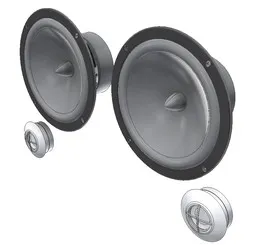


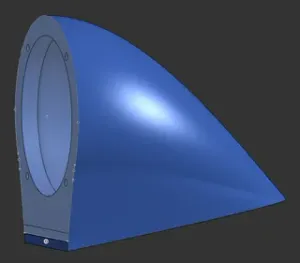
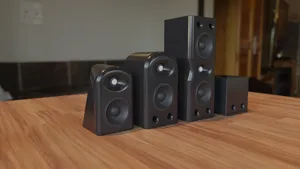
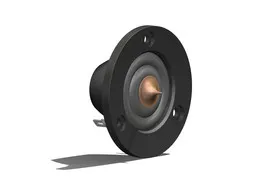

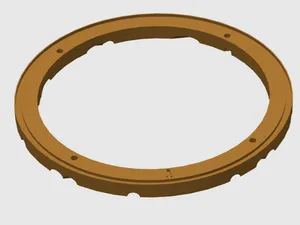
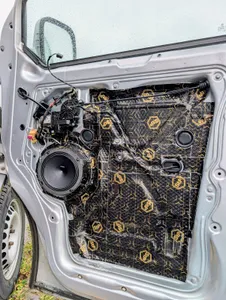

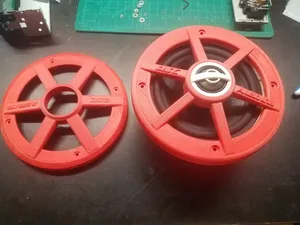

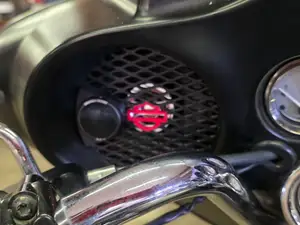
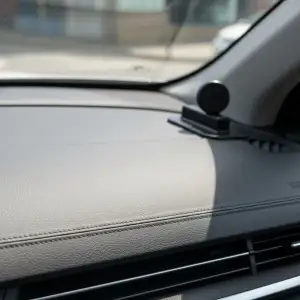


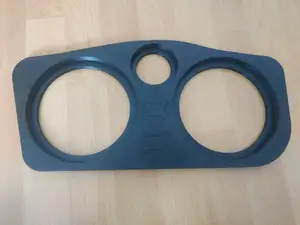
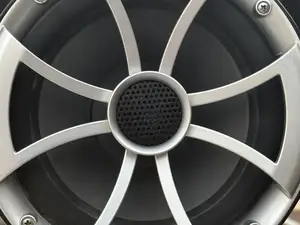


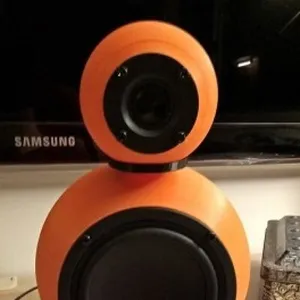
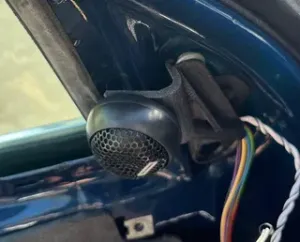

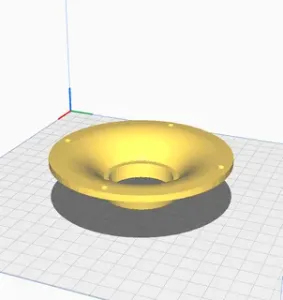
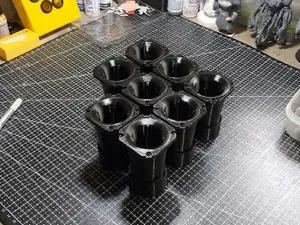
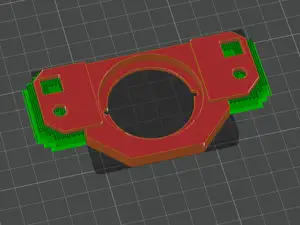


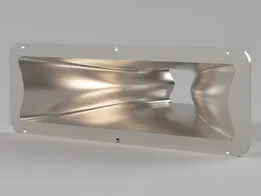
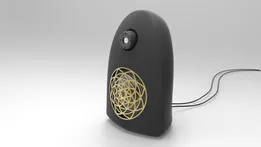

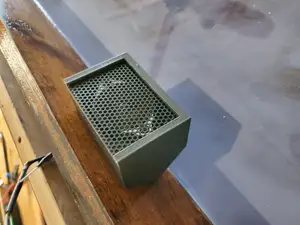

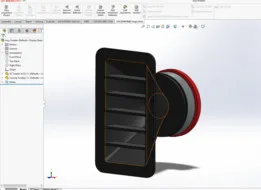


Car audio parts usually appear as adapters that fit a specific door or panel opening and step it down to a smaller driver, plus separate pods for tweeters. Enclosures range from compact boxes for a single small driver to multi-part cabinets with a port or a sealed chamber. Passive amplifiers for phones are a different family: a horn or folded channel that directs sound from the phone's own speaker without any electronics.
Before printing, read the author's page for the driver diameter the part was drawn around, the number of separate pieces, and whether they are meant to be glued, screwed or snapped together. Check whether the model needs supports, how thick the walls are, and which material and settings the author lists. Photos of real prints are more informative than renders, especially for thin grilles and long horn channels.
Search results improve when you use the terms the authors use: tweeter pod, speaker adapter ring, enclosure, cabinet, horn, passive amplifier, grille or mesh. Adding a size in millimetres, a driver diameter or a car series narrows the list quickly. Related topics worth trying are sound bars, phone stands with acoustic channels, and replacement covers for older home speakers.


Le catalogue complet des thèmes, de la maison à la CNC, avec une recherche sur tous les sites connectés.

