Gratuit 
Spoon
Thingiverse
This collection gathers 3D models built around spoons: measuring sets and scoops, rests and holders, coffee accessories and kitchen storage. It is useful when you want a specific size or shape rather than a generic utensil, and most files are small enough for a single 3D printing session. Many entries are parametric or customizable, so you can adjust capacity, length or wall thickness before exporting an STL. Polyzon does not confirm whether models are free, their price, license, official status, affiliation, safety or fitness. Check the current terms at the source.
Le texte de cette collection est rédigé en anglais ; la recherche, elle, fonctionne dans toutes les langues.
 Une collection Polyzon · 46 modèles sur 4 plateformes
Polyzon compose cette collection à partir des résultats de recherche des plateformes connectées. Les doublons et les modèles sans aperçu sont retirés, les correspondances faibles sont placées à la fin, et le reste suit l’ordre de la recherche. Les modèles appartiennent à leurs auteurs : consultez les conditions sur la page de chaque modèle.
Règles de sélection : la rédaction de Polyzon · Texte mis à jour le 13/10/2026






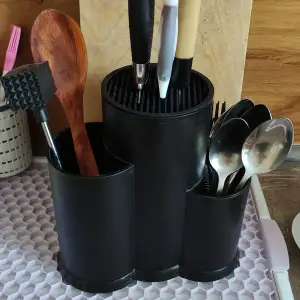

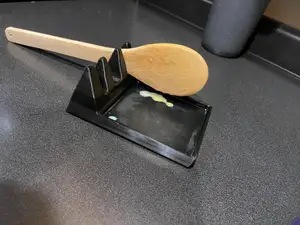
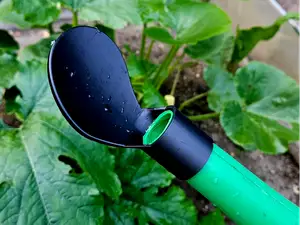
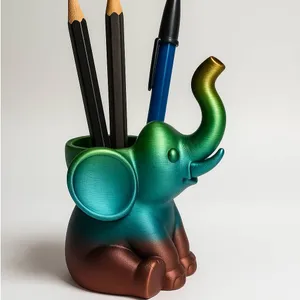


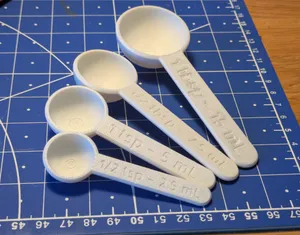
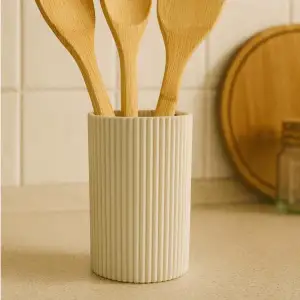


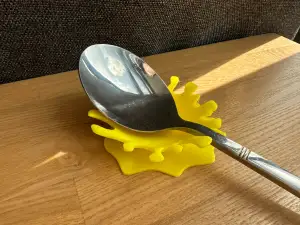

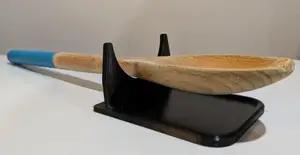

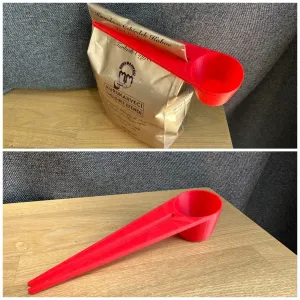



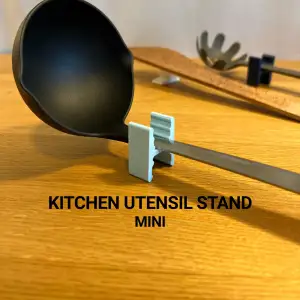

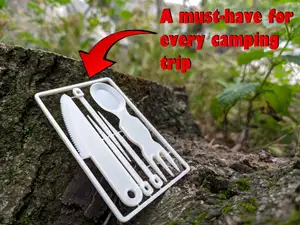

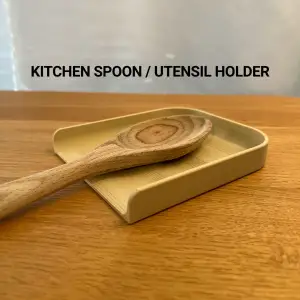

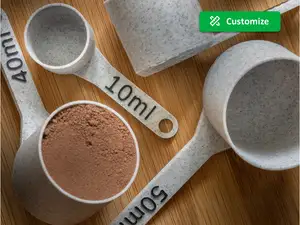
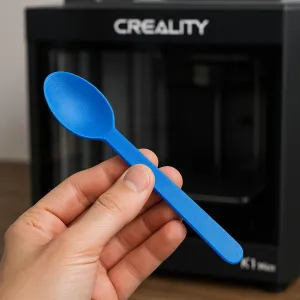


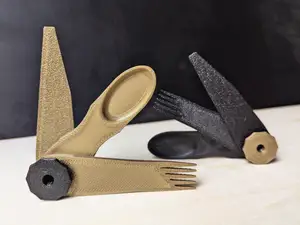
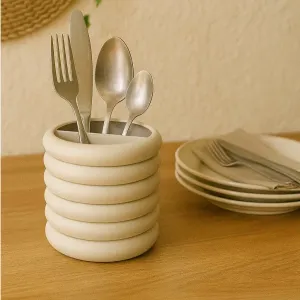

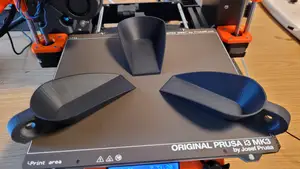
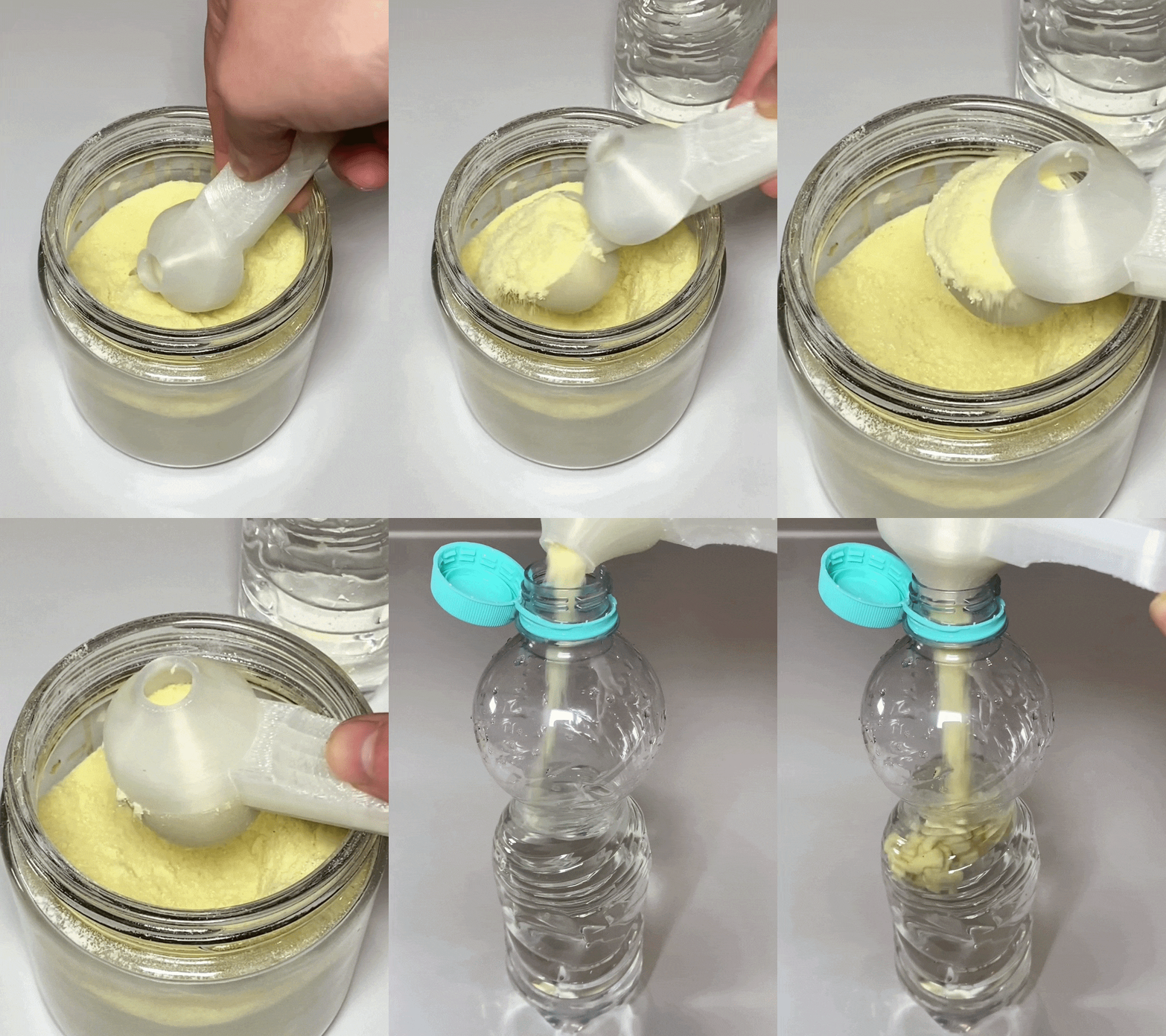
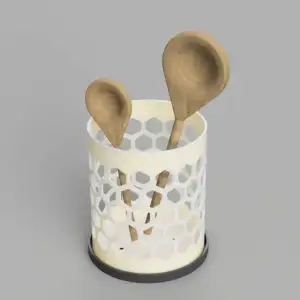
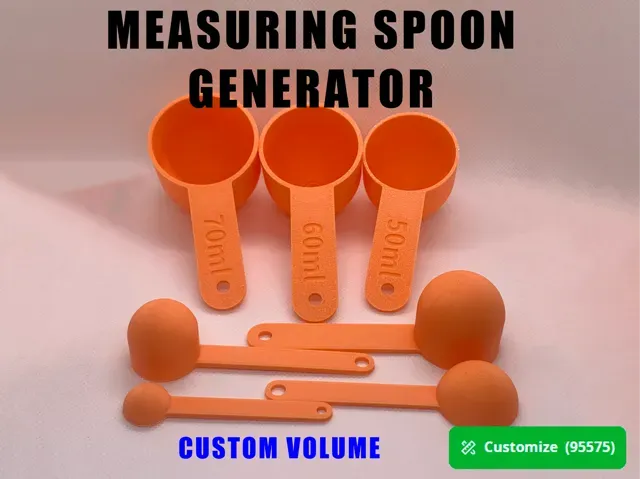
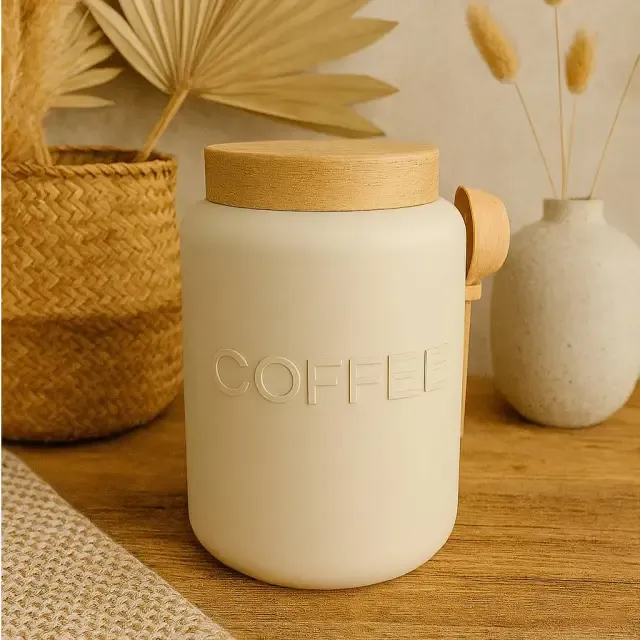
The range splits into a few practical groups. Measuring spoons and scoops come as single-ended or double-ended tools, sometimes generated from a set of volume values, while rests and holders are shaped to catch a dripping utensil next to the stove. Coffee items combine a scoop with a jar or dosing tool, and larger stands or containers hold several utensils at once. Novelty pieces, from musical spoons to watering-can shapes, follow the same printing logic but are usually decorative.
When choosing a model, read the author's page for the details that decide the outcome: overall length and bowl capacity, wall thickness, whether the part prints as one piece or needs assembly, and whether supports are required for overhangs. Food-contact items are usually printed in materials the author names, with a layer height and infill they list; photos of real prints show how the surface and seams actually look. Scale matters most for measuring tools, since a resized spoon no longer holds the volume it was designed for.
To widen the search, try synonyms and related terms: measuring scoop, tablespoon, teaspoon, coffee scoop, dosing spoon, spoon rest, utensil holder, cutlery tray. Combining a material or a use with the word spoon often surfaces more results, and switching between the terms rest, holder and stand brings up different storage designs. If you need a set, search for the volume or the number of pieces rather than the word spoon alone.


Le catalogue complet des thèmes, de la maison à la CNC, avec une recherche sur tous les sites connectés.