Gratuit 
Goliath Paladin
Cults3D
This collection brings together gate models prepared for 3D printing: Japanese torii, tabletop terrain gateways, small doors for dioramas and fencing for gardens and layouts. The pieces differ a lot in scale and part count, from a single decorative arch to a multi-part structure with a frame and moving parts. It is useful when you already know the setting you want and need to compare how different authors approach the same idea. Polyzon does not confirm whether models are free, their price, license, official status, affiliation, safety or fitness. Check the current terms at the source.
Le texte de cette collection est rédigé en anglais ; la recherche, elle, fonctionne dans toutes les langues.
 Une collection Polyzon · 21 modèles sur 2 plateformes
Polyzon compose cette collection à partir des résultats de recherche des plateformes connectées. Les doublons et les modèles sans aperçu sont retirés, les correspondances faibles sont placées à la fin, et le reste suit l’ordre de la recherche. Les modèles appartiennent à leurs auteurs : consultez les conditions sur la page de chaque modèle.
Règles de sélection : la rédaction de Polyzon · Texte mis à jour le 13/10/2026
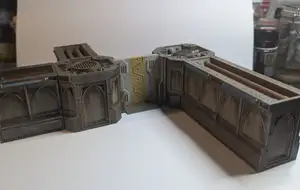
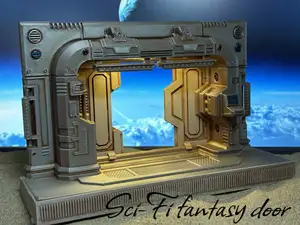
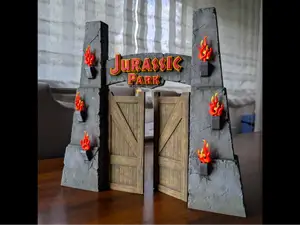

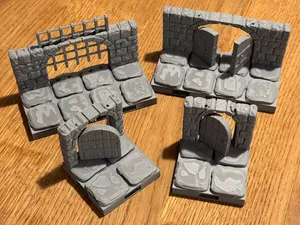

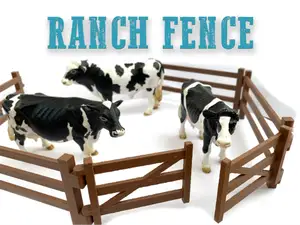
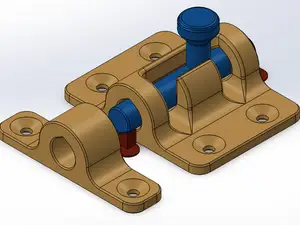
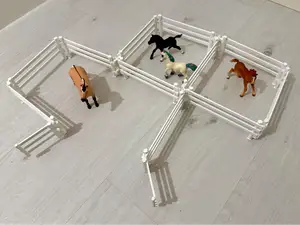

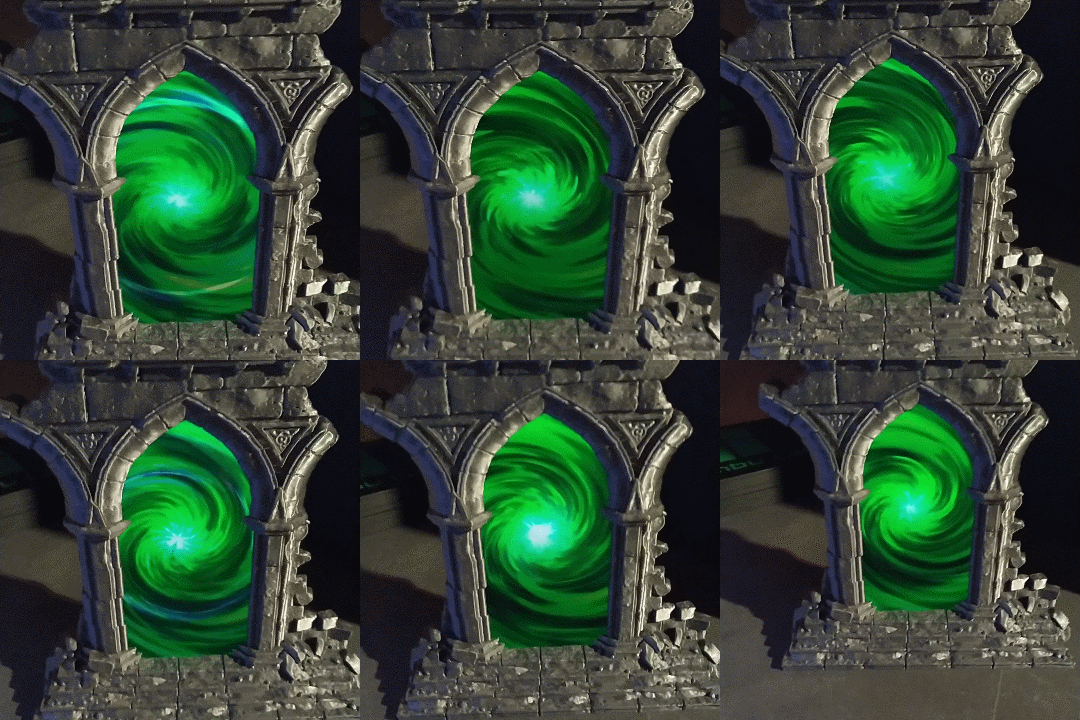
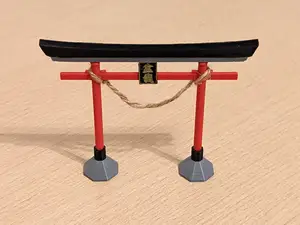
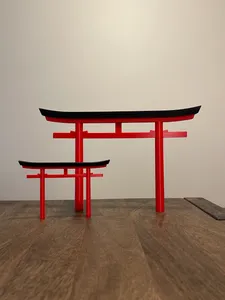
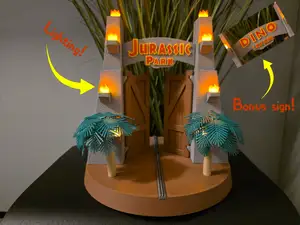
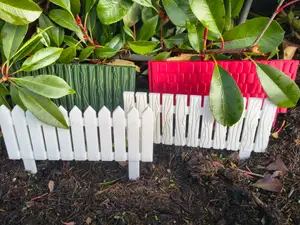

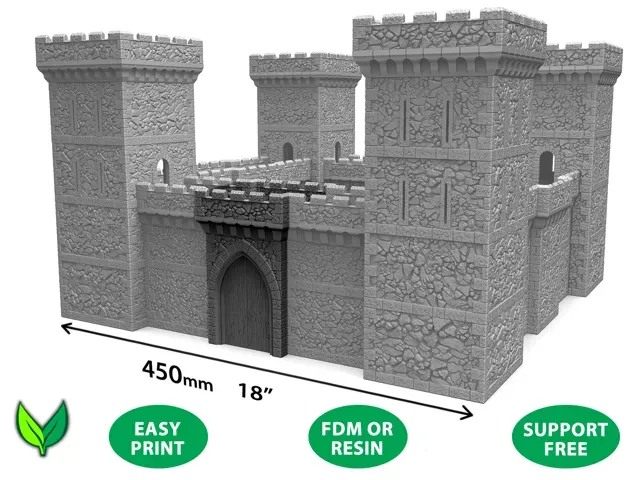
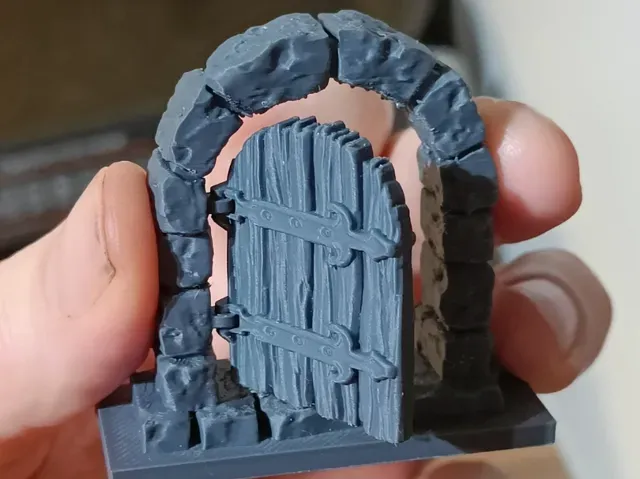
The largest groups are architectural and decorative. Japanese torii appear as standalone garden ornaments, sometimes with traditional joinery details, while tabletop terrain covers castle gatehouses, dungeon doors and portcullis pieces for fantasy or sci-fi settings. A separate group is made of small doors and fences for dioramas, dollhouse scenes and model layouts, where the piece is judged by how well it fits an existing scale rather than by its own size.
When choosing, look at the dimensions the author lists and convert them to your own scale before printing. Check how many parts the model has, whether they are meant to be glued or assembled with pins, and whether the author shows supports in the preview images. For moving elements such as latches or hinged doors, read the notes on clearances and orientation, since these decide whether the parts work after printing. Material and settings matter too: thin fence rails and open lattice behave differently from solid stone-like blocks.
To narrow the results, try synonyms and related terms rather than one phrase. Searches for archway, portal, gatehouse, torii, portcullis or entrance usually lead to the same family of models, and adding a scale or setting such as 28mm, diorama, garden or dungeon filters the list further. If you want a specific look, combine a style word with a function word, for example Japanese gate, ruined arch or sliding latch.
Photos of real prints on the author's page are the quickest way to judge surface detail and how the joints line up. If a listing shows only renders, compare the wall thickness and overhangs with what your 3D printer handles comfortably, and consider scaling the model only after checking that the smallest features stay printable.





Le catalogue complet des thèmes, de la maison à la CNC, avec une recherche sur tous les sites connectés.