$ 24.99 
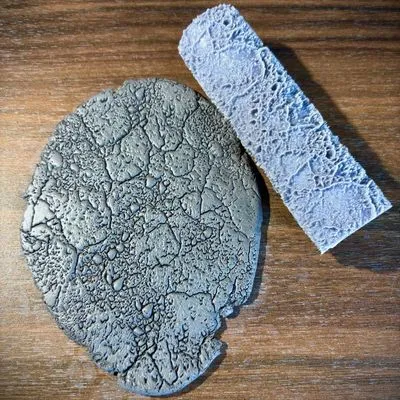
Print n' Roll: Arid Wasteland (Texture Roller and Terrain Set)
MyMiniFactory
This collection gathers STL files for texture rollers that press patterns into clay, putty or foam for tabletop terrain and dioramas. It covers wasteland and ruined ground, stone and cobblestone, brick and roof tiles, wood planks and several decorative motifs. Because the rollers are made for 3D printing, scale and pattern depth decide how well a surface reads once painted. Polyzon does not confirm whether models are free, their price, license, official status, affiliation, safety or fitness. Check the current terms at the source.
Le texte de cette collection est rédigé en anglais ; la recherche, elle, fonctionne dans toutes les langues.
 Une collection Polyzon · 48 modèles sur 5 plateformes
Polyzon compose cette collection à partir des résultats de recherche des plateformes connectées. Les doublons et les modèles sans aperçu sont retirés, les correspondances faibles sont placées à la fin, et le reste suit l’ordre de la recherche. Les modèles appartiennent à leurs auteurs : consultez les conditions sur la page de chaque modèle.
Règles de sélection : la rédaction de Polyzon · Texte mis à jour le 13/10/2026
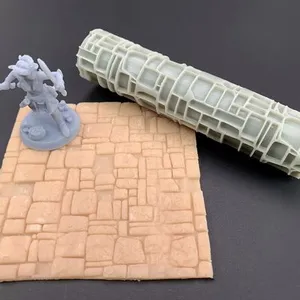

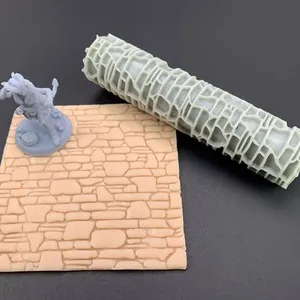


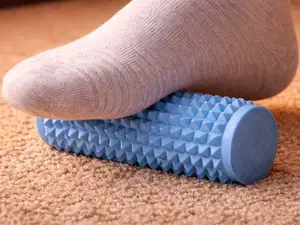

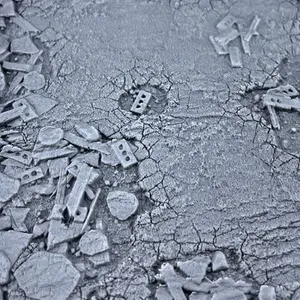

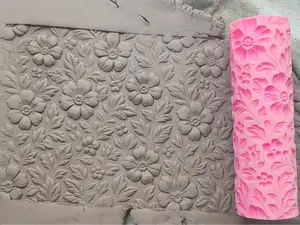


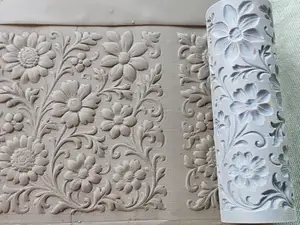

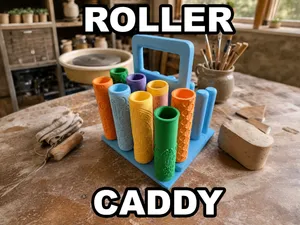


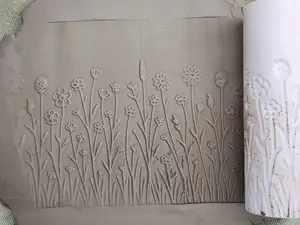
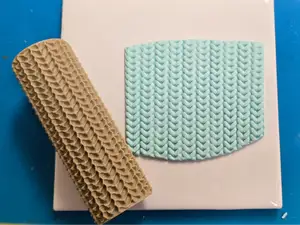
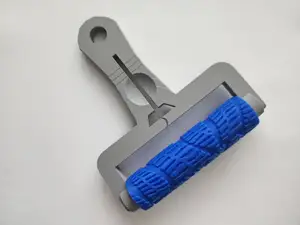

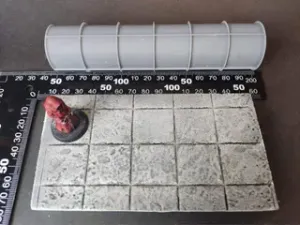
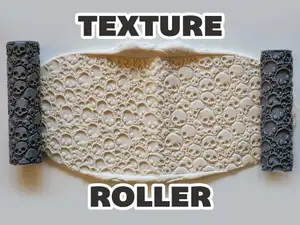
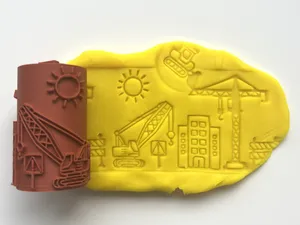

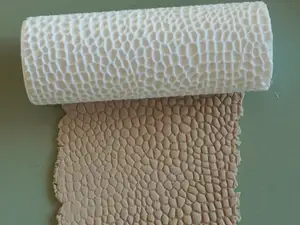
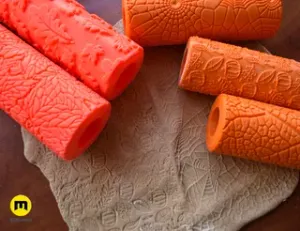


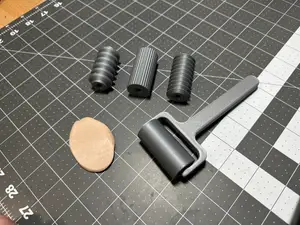

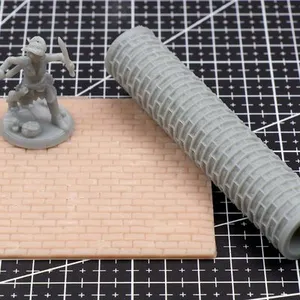

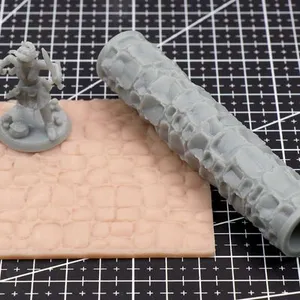
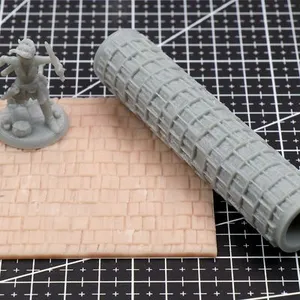
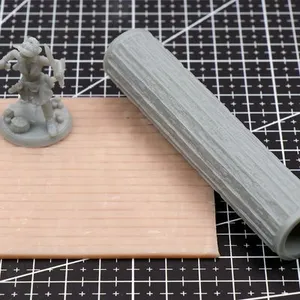
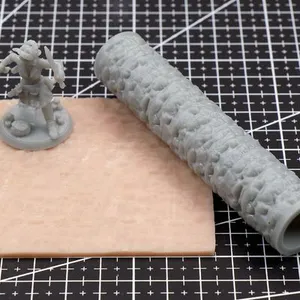
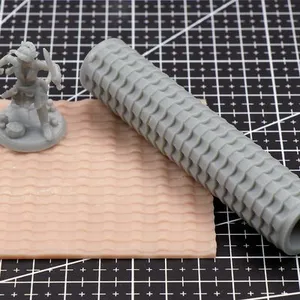
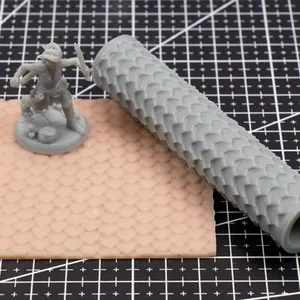
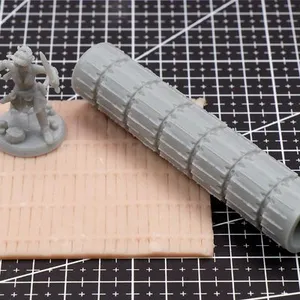

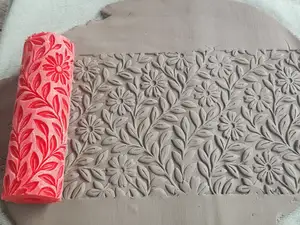
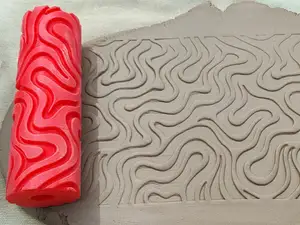
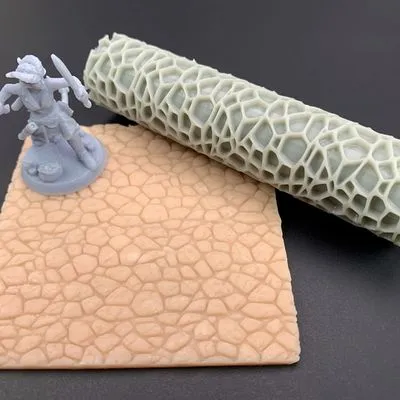
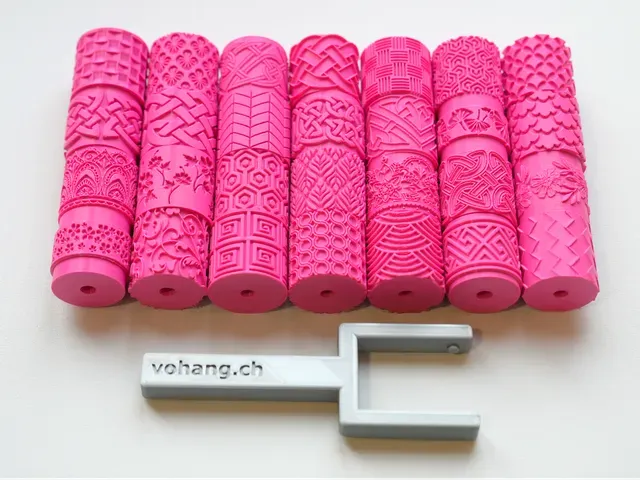
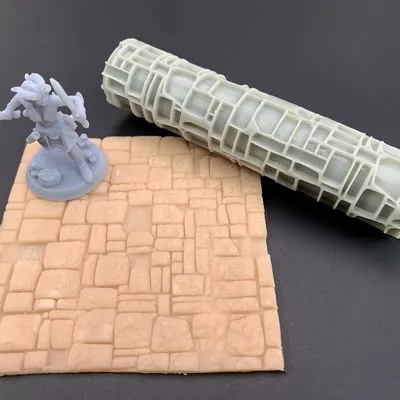
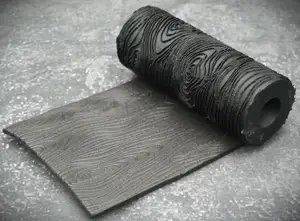
The rollers fall into a few groups. Wasteland and cracked-ground patterns imitate dry, broken earth for ruined settings, while stone rollers cover cobblestone, rough undressed stone and lumpy rock faces. A third group handles built surfaces such as brick, roof shingles and tiles, and a fourth copies wood planks and floors. Decorative rollers add scales, garden and seasonal motifs that work on bases rather than large boards.
On the author's model page, look at the roller diameter and width first, since those set how wide a strip you can press in one pass. Check the pattern depth and whether the design tiles seamlessly along its length, then see how many parts the file contains and whether a handle, frame or axle is included. The material and settings the author lists, plus photos of real prints, tell you more about the result than a render does.
To widen the search, try synonyms such as texture stamp, clay roller, rolling pin or terrain stamp, and name the surface you want: cracked earth, flagstone, shingles, planks or brick. Related terms like terrain set, base topper, dungeon tile or diorama scatter often lead to the same files. Combining a ground roller with a wall or roof roller gives a more consistent look across a single build.




Le catalogue complet des thèmes, de la maison à la CNC, avec une recherche sur tous les sites connectés.