
Gratuit 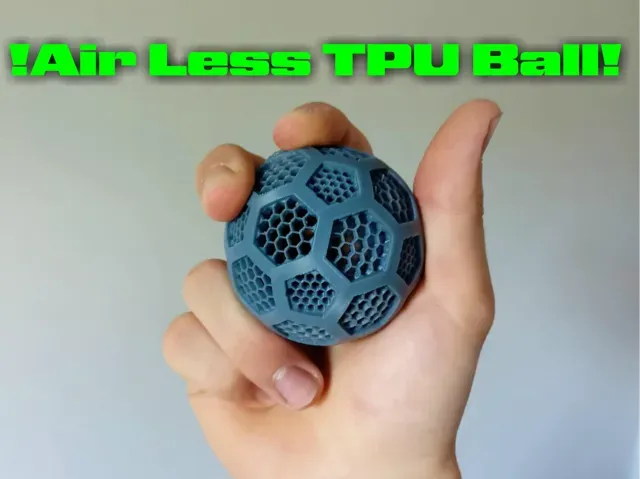
Flexi Airless TPU Ball
MakerWorld
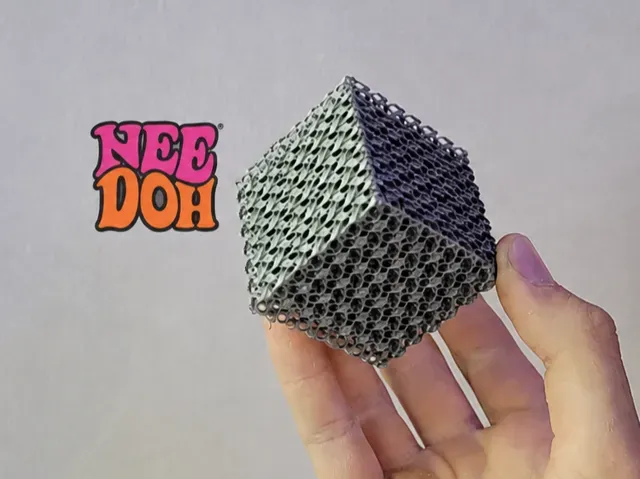
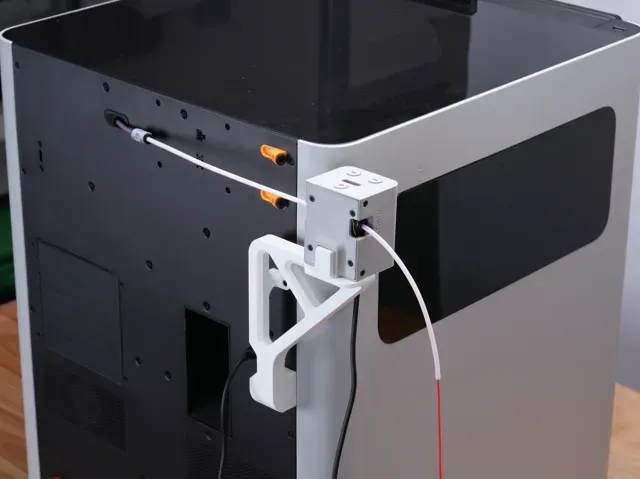
This collection gathers TPU STL files for 3D printing, including flexible toys, cable organizers, printer accessories, and calibration towers. You will find models designed for soft, impact-absorbing results alongside tests to tune your 3D printer. It is a practical way to compare approaches and find the right file for your setup. Polyzon does not confirm whether models are free, their price, license, official status, affiliation, safety or fitness. Check the current terms at the source.
Le texte de cette collection est rédigé en anglais ; la recherche, elle, fonctionne dans toutes les langues.
 Une collection Polyzon · 48 modèles sur 5 plateformes
Polyzon compose cette collection à partir des résultats de recherche des plateformes connectées. Les doublons et les modèles sans aperçu sont retirés, les correspondances faibles sont placées à la fin, et le reste suit l’ordre de la recherche. Les modèles appartiennent à leurs auteurs : consultez les conditions sur la page de chaque modèle.
Règles de sélection : la rédaction de Polyzon · Texte mis à jour le 09/10/2026
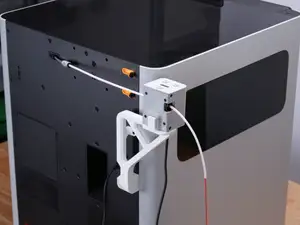

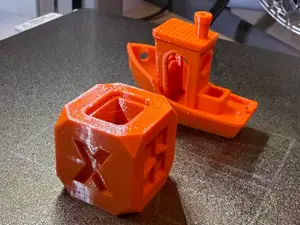

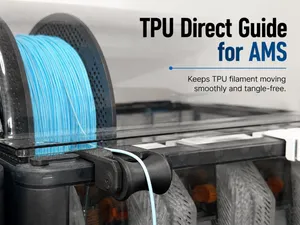
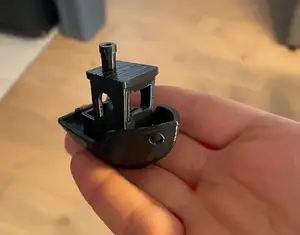


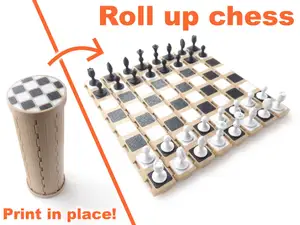
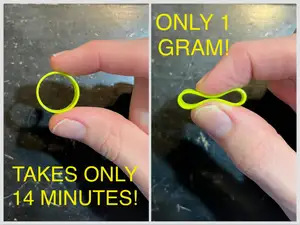


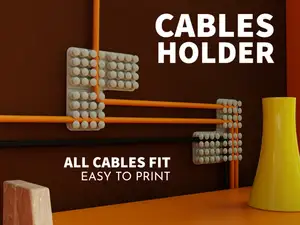
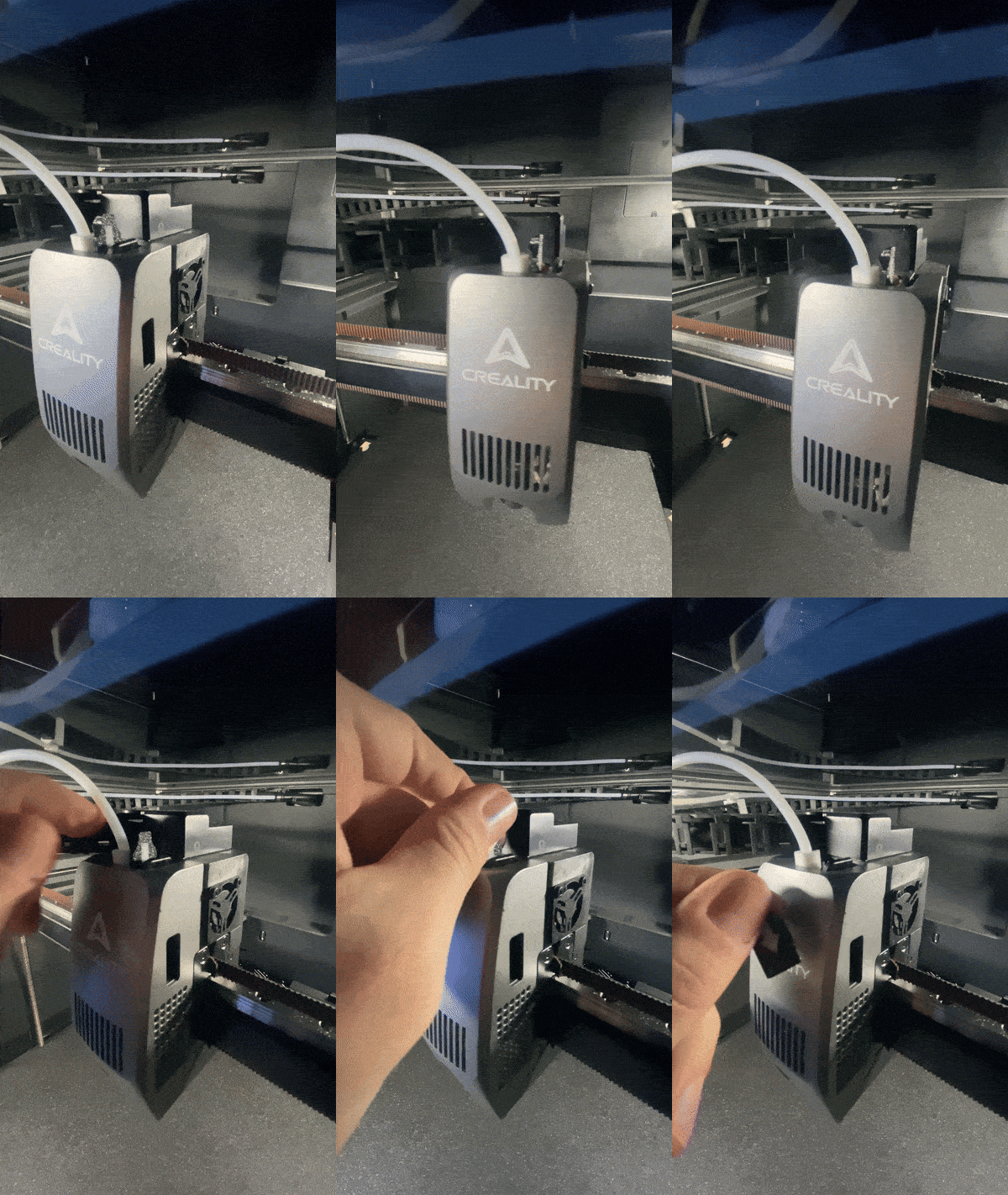
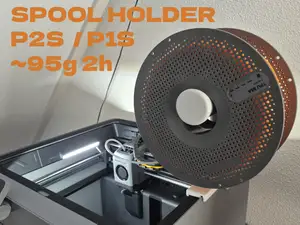


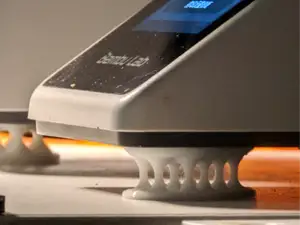
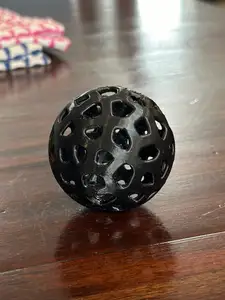



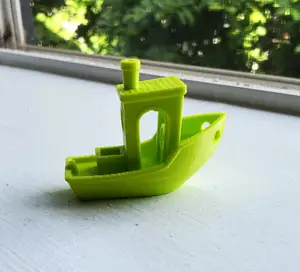

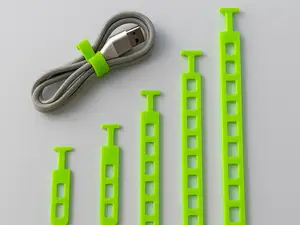
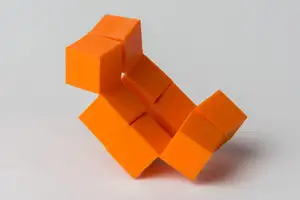

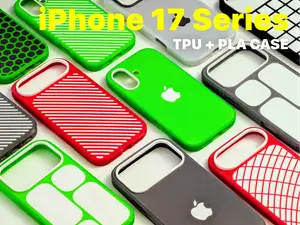

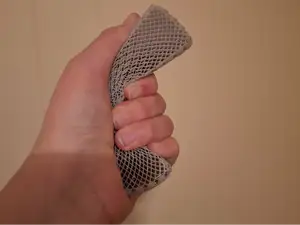


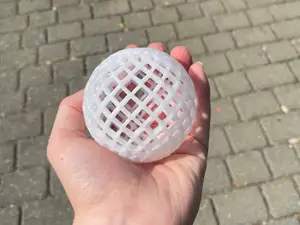
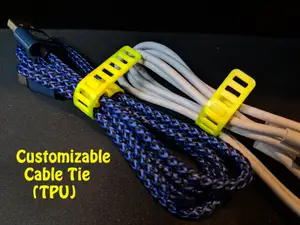
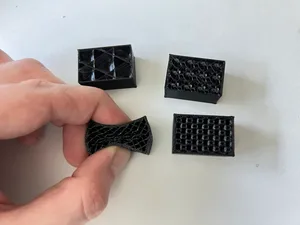


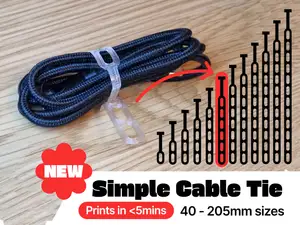
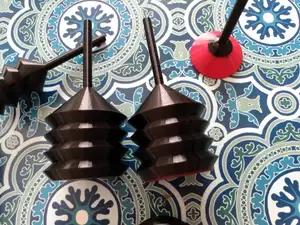
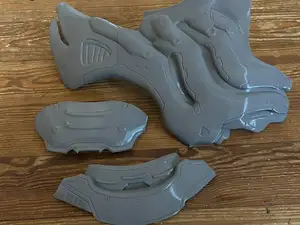


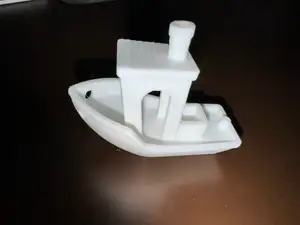
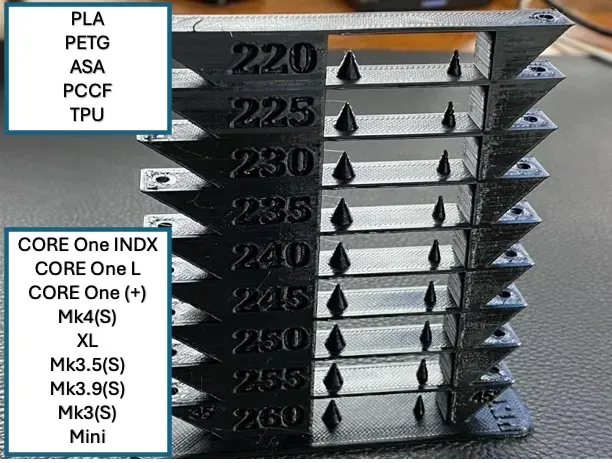
The results span several uses. Flexible figures and wearable items rely on the material’s elasticity to bend without breaking. Rigid printer parts such as feed guides and dampening feet use TPU to reduce vibration while keeping structural shape. Temperature towers and test prints help compare layer adhesion and bridging across different settings.
When choosing a model, check the author’s page for the recommended wall thickness, print speed, and if supports are needed. TPU requires slow, consistent extrusion, so look for notes on retraction distance and flow rate. Photos of real prints show how the filament handles overhangs and fine details in practice.
To refine your search, try synonyms such as flexible filament, shore hardness, or elastomer. Related topics include cable management, vibration damping, and slicer profiles for specific machines. Adding keywords like fidget, bracelet, or temperature tower will narrow the results to the exact style you need.


Le catalogue complet des thèmes, de la maison à la CNC, avec une recherche sur tous les sites connectés.