Gratuit 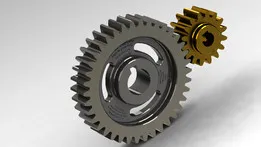
Spur Gear Train (a Parameterized Model)
GrabCAD
This collection gathers train-related 3D models in several directions: toy and name trains, dragon-themed figures, scale railway stock, track sections and whistles. It is useful when you want a printable piece for a toy layout, a shelf display or a small mechanical study. Each listing comes from a different author, so the STL files differ in scale, part count and how they are meant to be printed. Polyzon does not confirm whether models are free, their price, license, official status, affiliation, safety or fitness. Check the current terms at the source.
Le texte de cette collection est rédigé en anglais ; la recherche, elle, fonctionne dans toutes les langues.
 Une collection Polyzon · 47 modèles sur 6 plateformes
Polyzon compose cette collection à partir des résultats de recherche des plateformes connectées. Les doublons et les modèles sans aperçu sont retirés, les correspondances faibles sont placées à la fin, et le reste suit l’ordre de la recherche. Les modèles appartiennent à leurs auteurs : consultez les conditions sur la page de chaque modèle.
Règles de sélection : la rédaction de Polyzon · Texte mis à jour le 15/10/2026
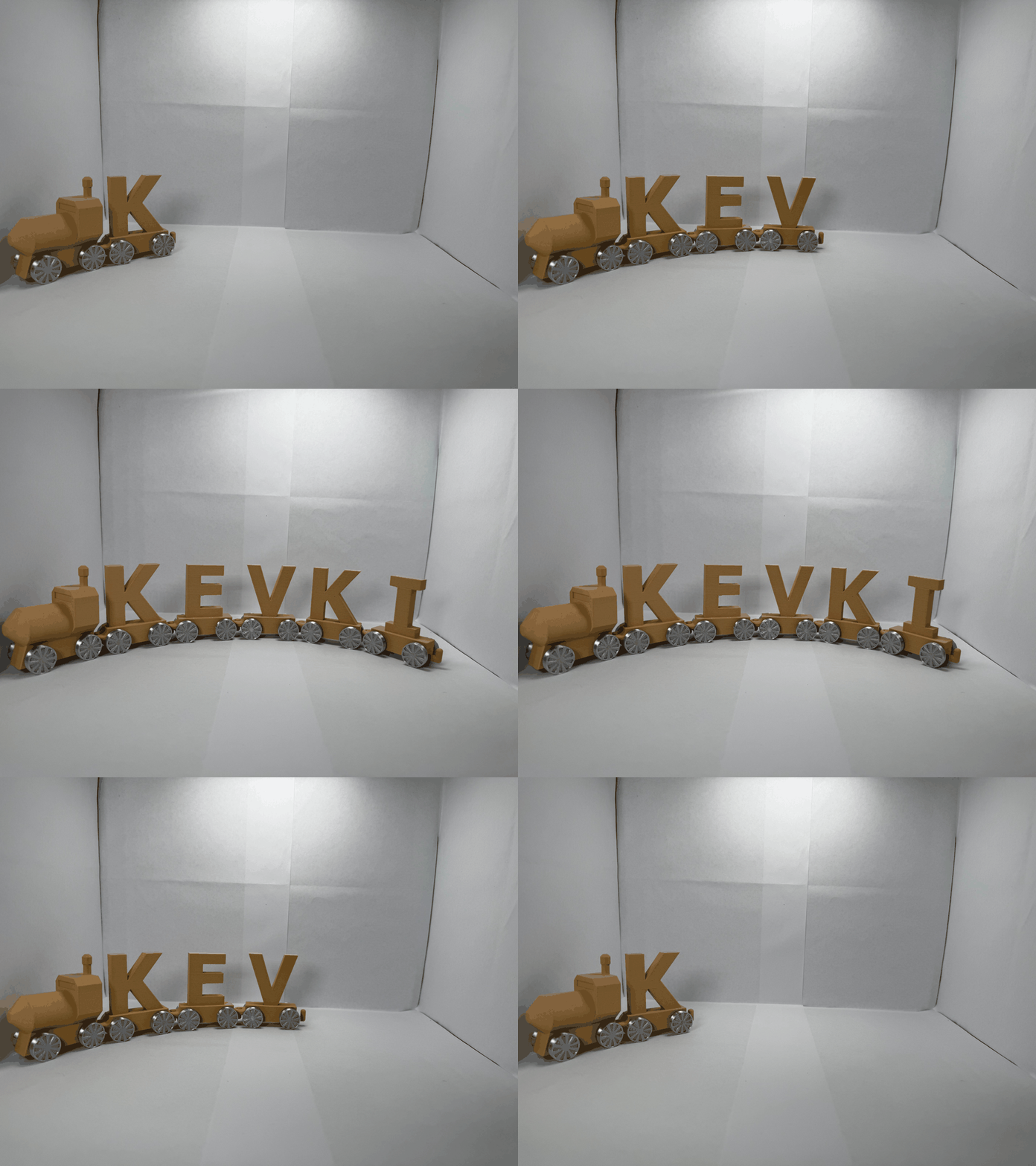


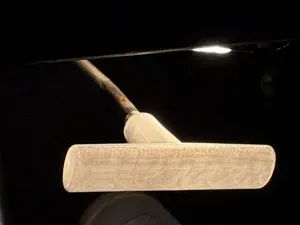



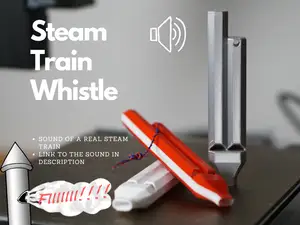
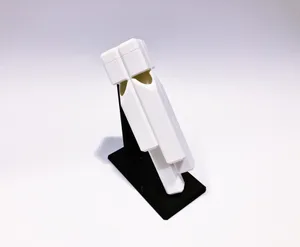
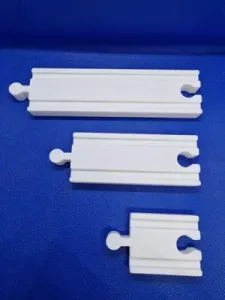


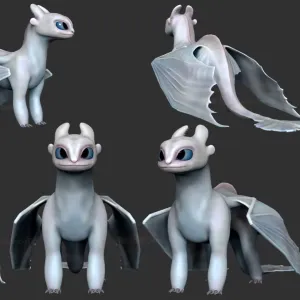
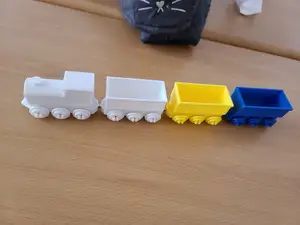

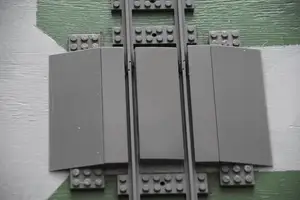
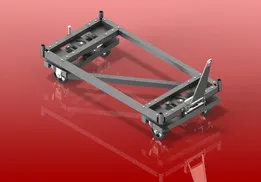
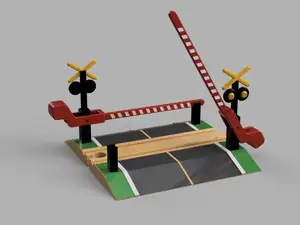



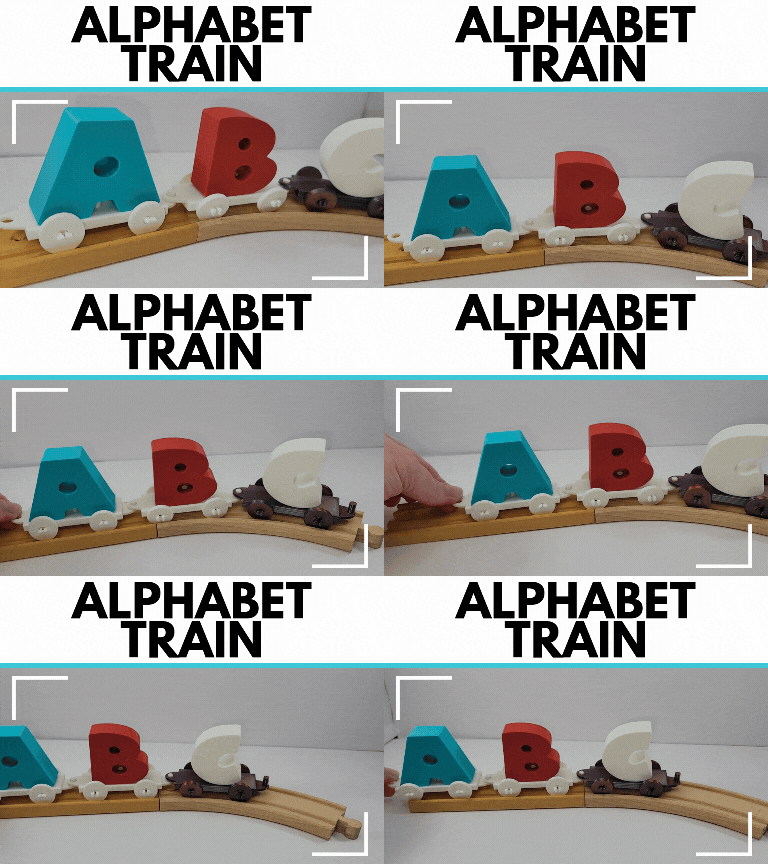
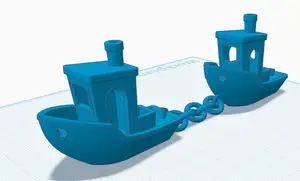

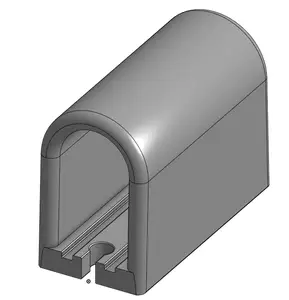


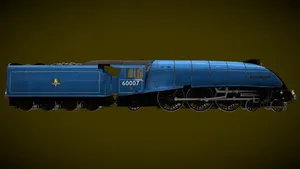
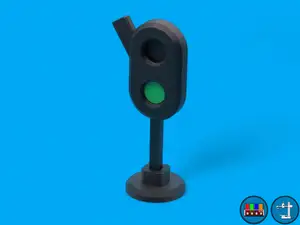
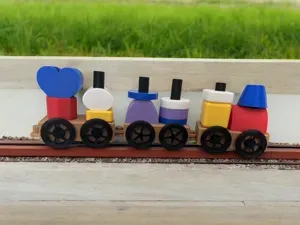

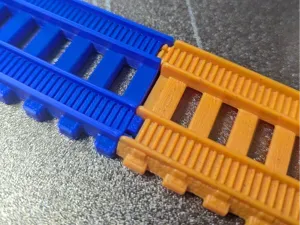
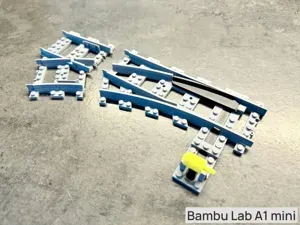
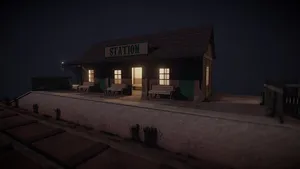


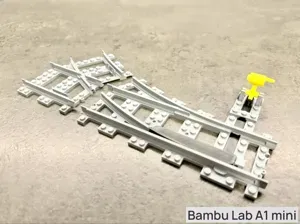


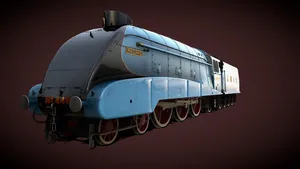
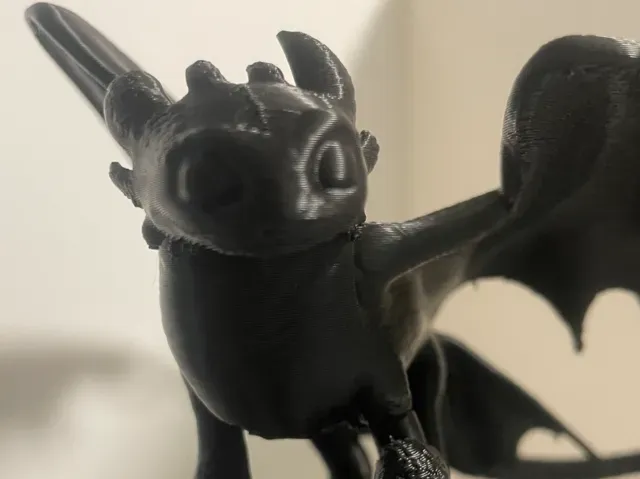
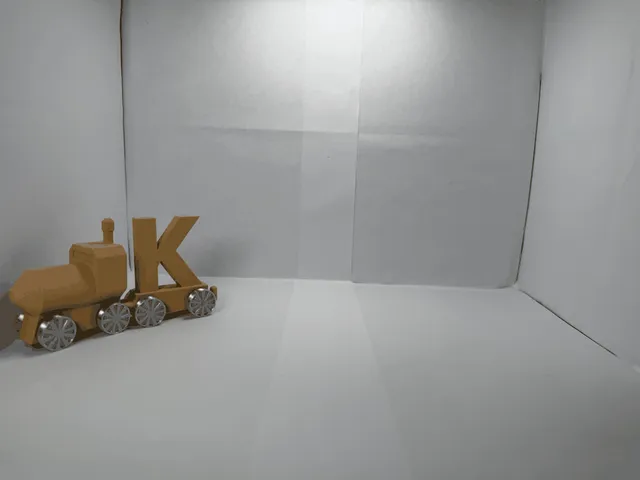
The toy side of the collection is built around simple shapes: letter and name trains, small sets with a few carriages, and flexible track pieces that can be joined in different layouts. Dragon-themed entries sit apart from them — these are figures and cutters rather than rolling stock. Scale railway models form a third group, usually tied to a fixed gauge such as N or HO, with freight cars, buildings and detail parts sized to match. Whistles and gear trains cover the mechanical end, where the point is a working part rather than a scene.
When you open a model page, check the scale or overall dimensions first, since a car drawn for one gauge will not sit on another track. Look at the number of parts and whether the author describes assembly, glue or magnets. Read the print notes: layer height, material, and whether the geometry needs supports. Photos of finished prints show how the surfaces and thin details come out better than a render does.
If the results feel narrow, widen the wording. Try locomotive, railcar, rolling stock, freight car, gauge or track instead of train alone, and add a scale such as N, HO or 1:160 when you need a specific size. For the toy side, alphabet, name and kids bring up letter-based sets. Related searches such as dragon figure, whistle or fidget cover the entries that only mention a train in the title.



Le catalogue complet des thèmes, de la maison à la CNC, avec une recherche sur tous les sites connectés.