Gratuit 
MAGNETIC DOOR STOP
Thingiverse
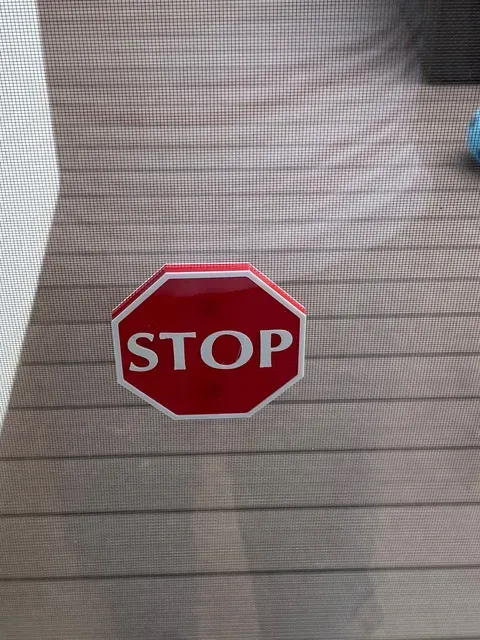
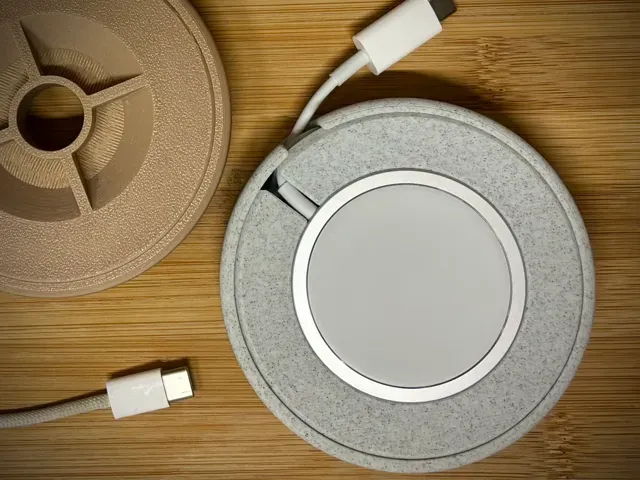
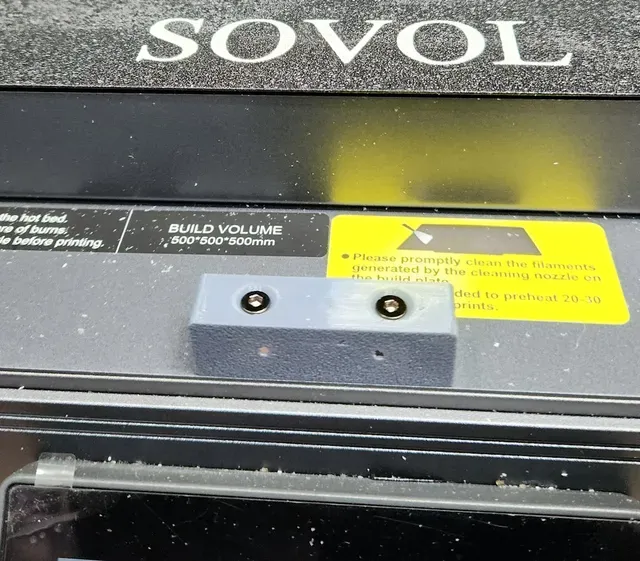
This collection gathers 3D models built around magnets: door stops and catches, alignment stops for printer frames, holders, small fidgets and latches. Most of them are compact parts that a 3D printer can produce in one piece or two, with a magnet pocket included in the geometry. It is a practical starting point if you want to replace a worn stopper or add a magnetic fixture to a cabinet or a machine. Polyzon does not confirm whether models are free, their price, license, official status, affiliation, safety or fitness. Check the current terms at the source.
Le texte de cette collection est rédigé en anglais ; la recherche, elle, fonctionne dans toutes les langues.
 Une collection Polyzon · 46 modèles sur 4 plateformes
Polyzon compose cette collection à partir des résultats de recherche des plateformes connectées. Les doublons et les modèles sans aperçu sont retirés, les correspondances faibles sont placées à la fin, et le reste suit l’ordre de la recherche. Les modèles appartiennent à leurs auteurs : consultez les conditions sur la page de chaque modèle.
Règles de sélection : la rédaction de Polyzon · Texte mis à jour le 15/10/2026
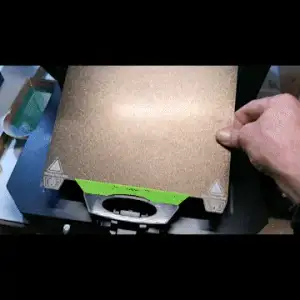


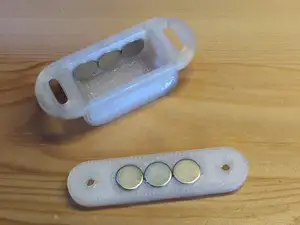
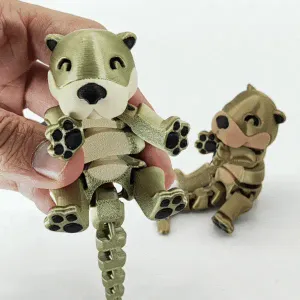

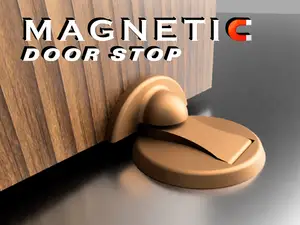
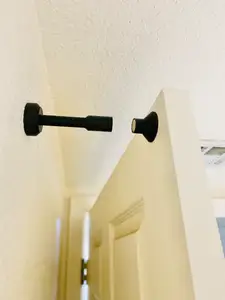



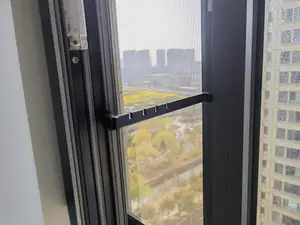
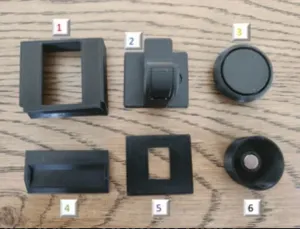

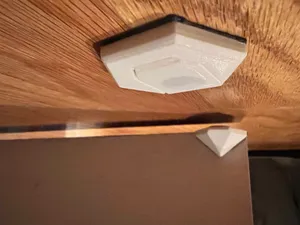
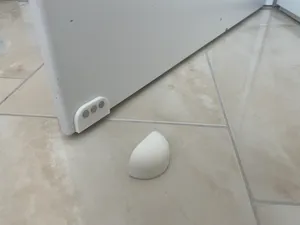


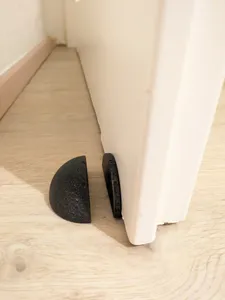
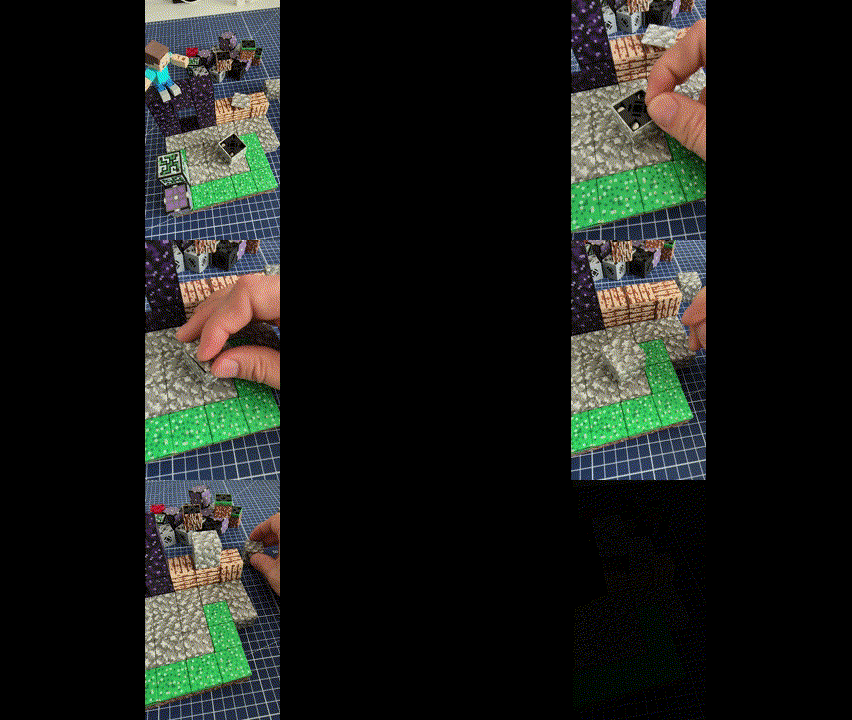
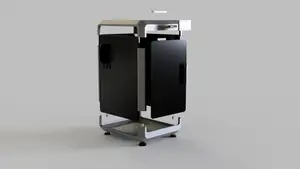


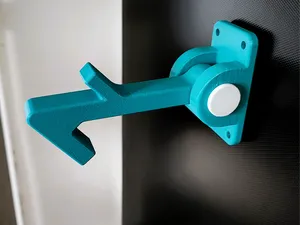
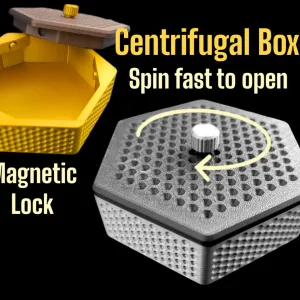

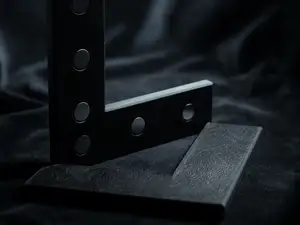
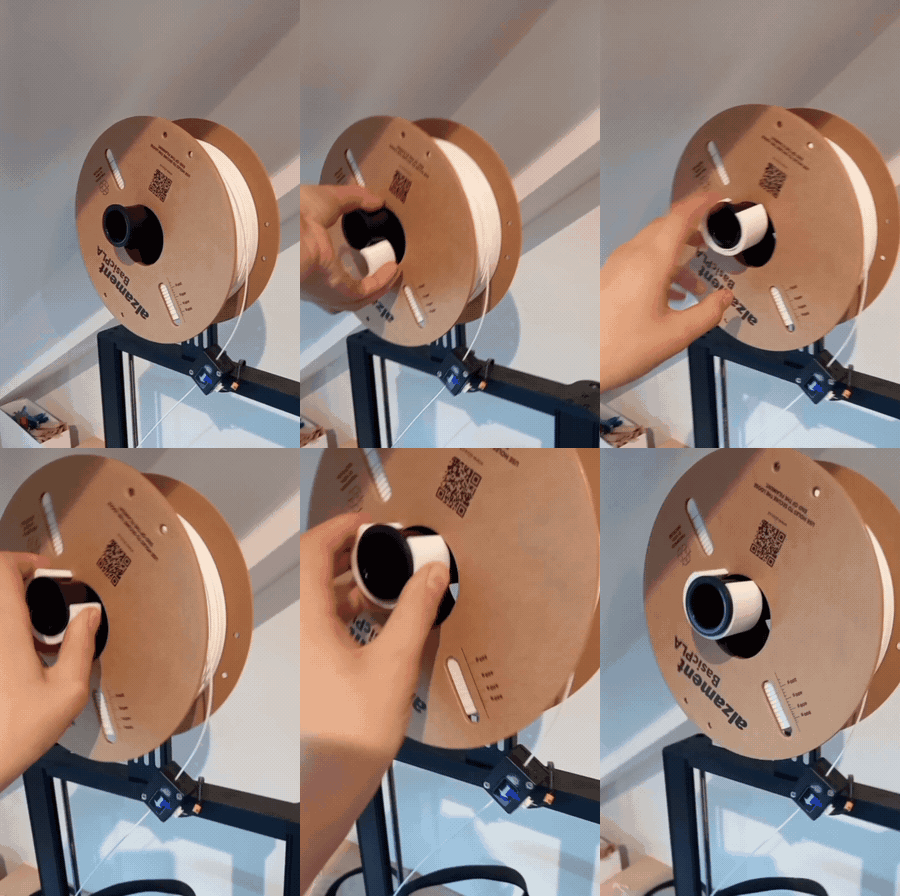


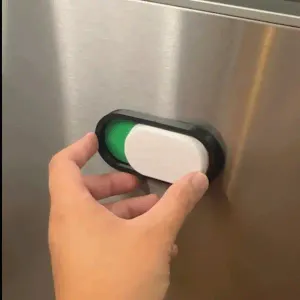


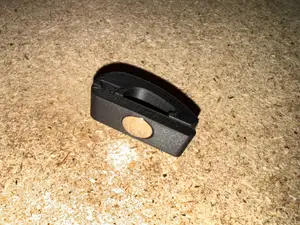


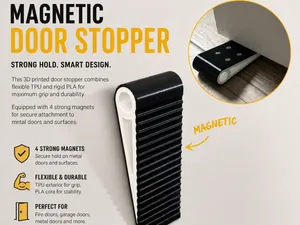
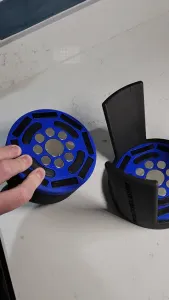

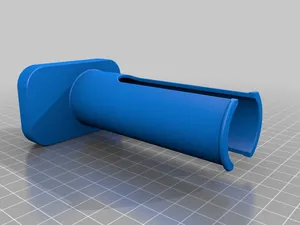
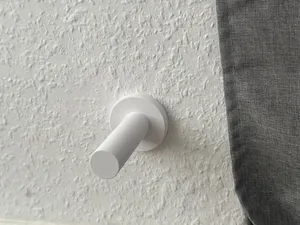
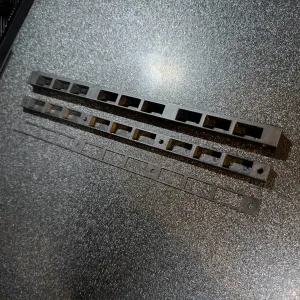
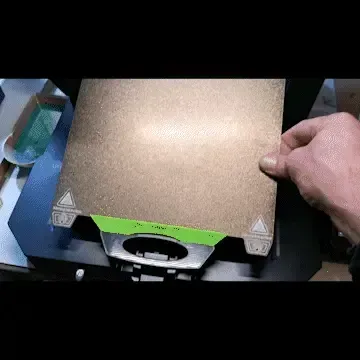
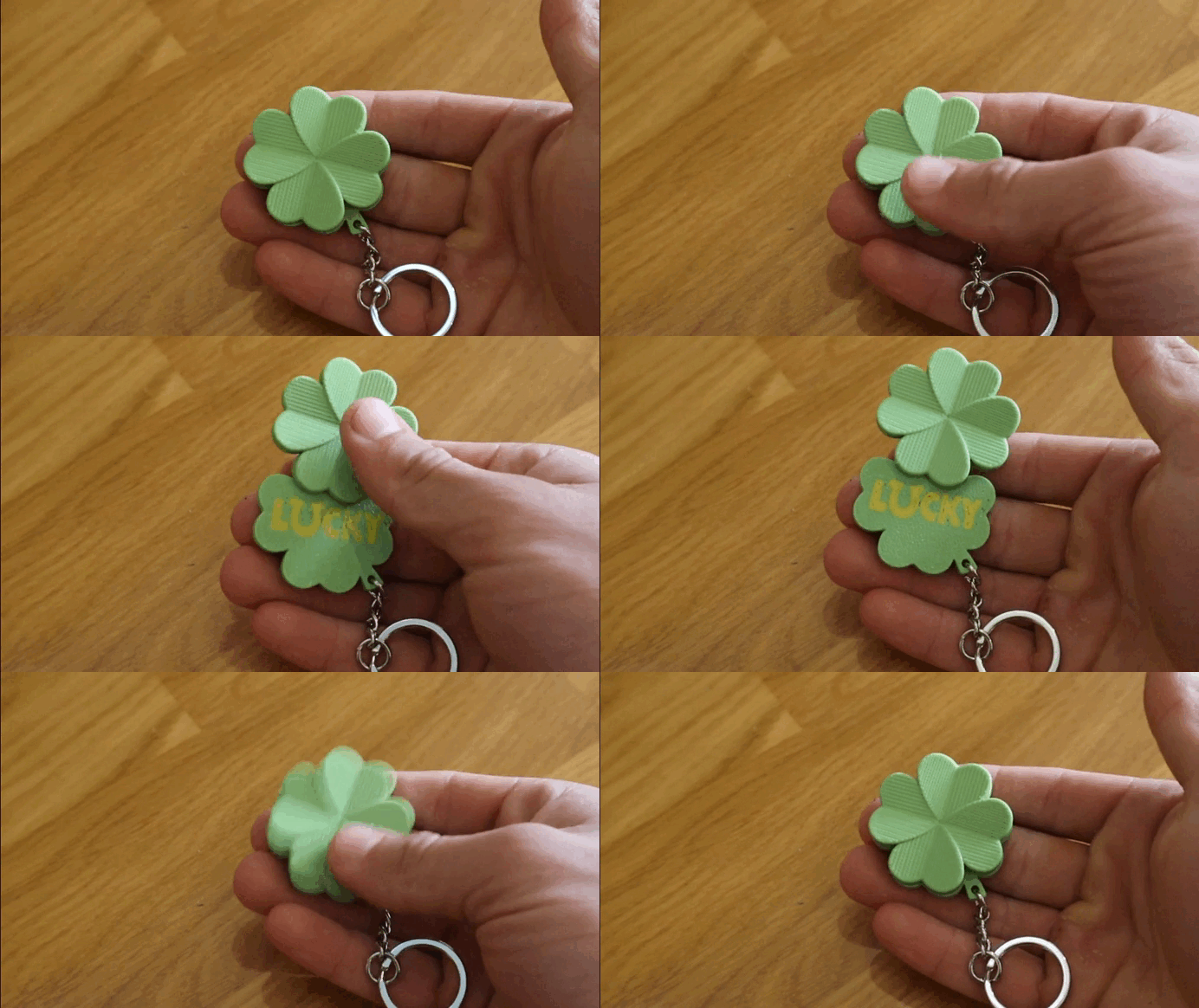
The largest group is door hardware: stops that keep a leaf from swinging into a wall, catches that hold a closed door, and versions sized for cabinet fronts or thin frames. Printer-related models form a second group, where a magnet acts as a repeatable reference point for a bed, a door panel or a filament path. Smaller items such as keychains, fidgets and simple animal shapes use the same idea at a different scale, often with a single magnet and a snap fit.
Before printing, read the model page for the magnet size and how it is retained: some pockets take a press fit, others expect glue or a pause to insert the magnet mid-print. Check the wall thickness around the pocket, the number of parts, and whether the author shows the part assembled. For door stops, measure the gap you need to fill and the swing of the door; for printer parts, confirm the dimensions against your own frame rather than assuming a match.
If the results are thin, try other names for the same object: door bumper, door holder, cabinet catch, latch, magnet pocket, or alignment jig. Related searches such as magnet holder, magnet insert, or gridfinity-style organizers often surface parts that use the same hardware. Combining a material word or a room word with the object name usually narrows the list faster than adding adjectives.




Le catalogue complet des thèmes, de la maison à la CNC, avec une recherche sur tous les sites connectés.