€ 9.40 
Lenovo Tiny M720q/M920q/M920x/P330 Custom GPU Cooling Lid — 120mm Fan Mod + Carry Handle (Noctua NF-F12 Compatible)
Cults3D
This collection gathers 3D models of caps, lids and adapters that go on bottles, cans and small containers. It covers pourer caps, snap-on can lids, transfer adapters and watering caps, all made for 3D printing at home. It is useful when a cap is lost, when a drink needs covering, or when a container should pour differently. Polyzon does not confirm whether models are free, their price, license, official status, affiliation, safety or fitness. Check the current terms at the source.
Le texte de cette collection est rédigé en anglais ; la recherche, elle, fonctionne dans toutes les langues.
 Une collection Polyzon · 21 modèles sur 2 plateformes
Polyzon compose cette collection à partir des résultats de recherche des plateformes connectées. Les doublons et les modèles sans aperçu sont retirés, les correspondances faibles sont placées à la fin, et le reste suit l’ordre de la recherche. Les modèles appartiennent à leurs auteurs : consultez les conditions sur la page de chaque modèle.
Règles de sélection : la rédaction de Polyzon · Texte mis à jour le 14/10/2026




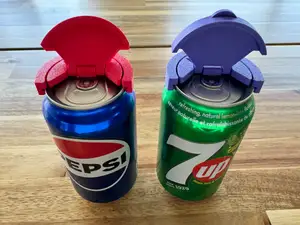


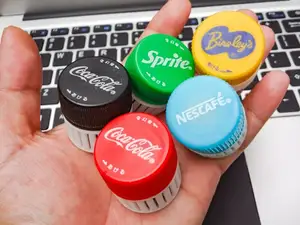
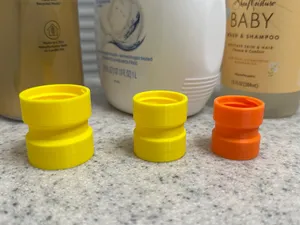





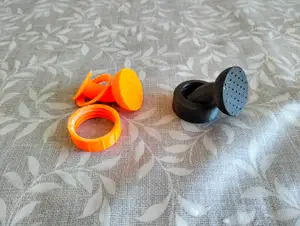
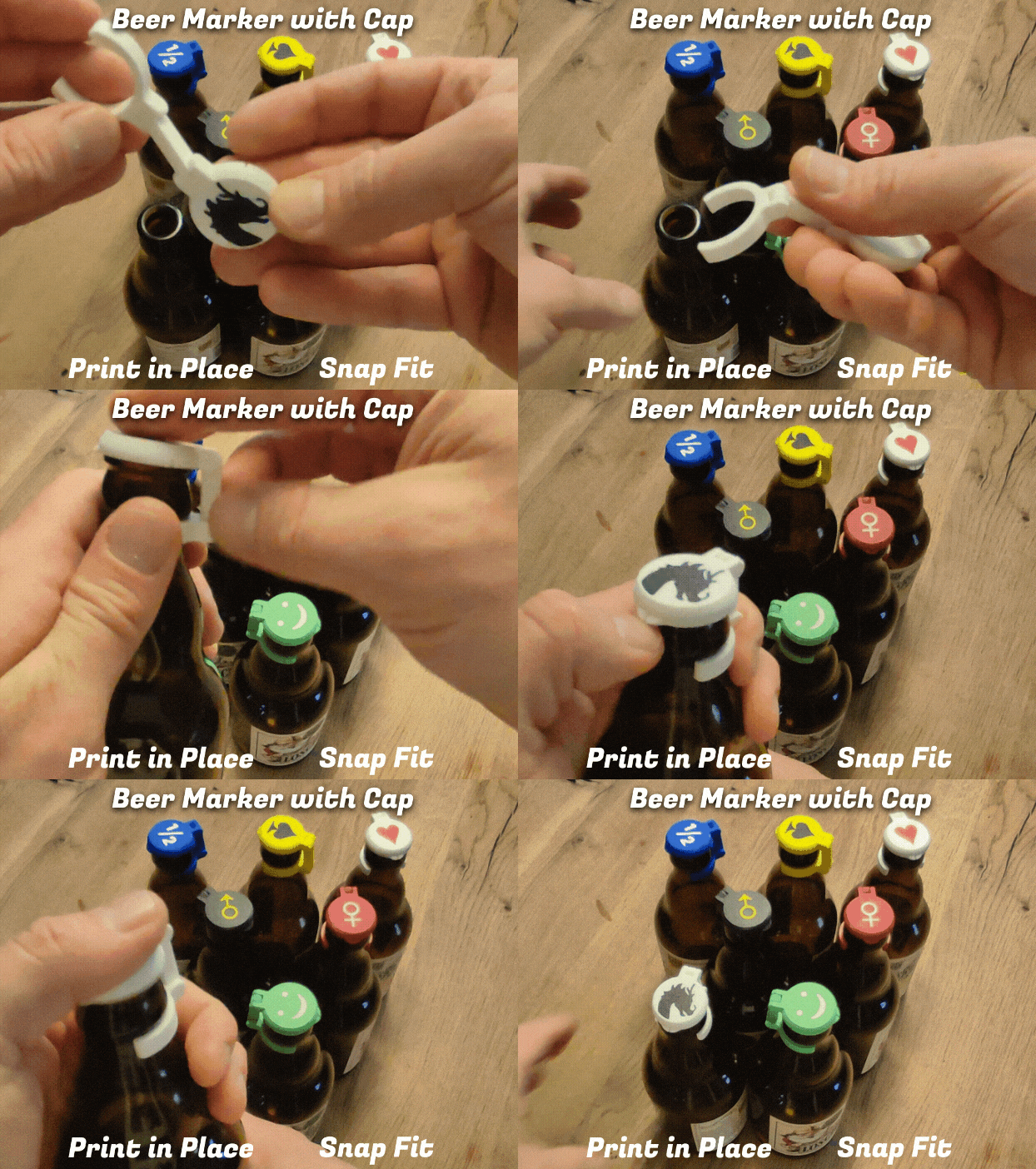
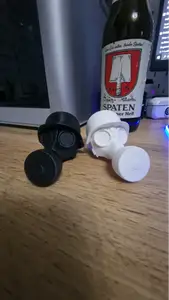
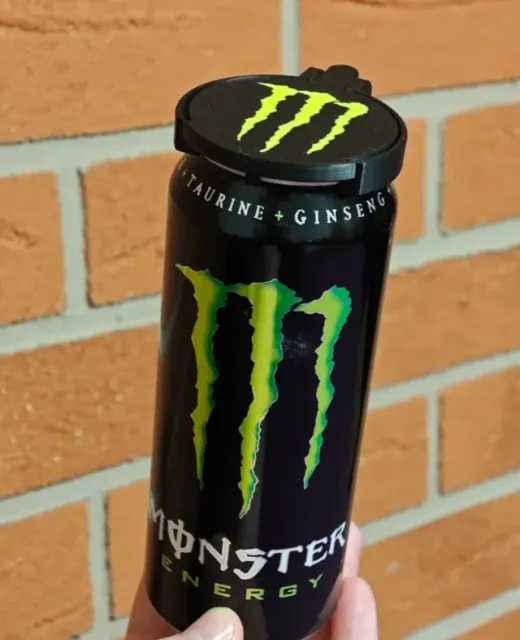
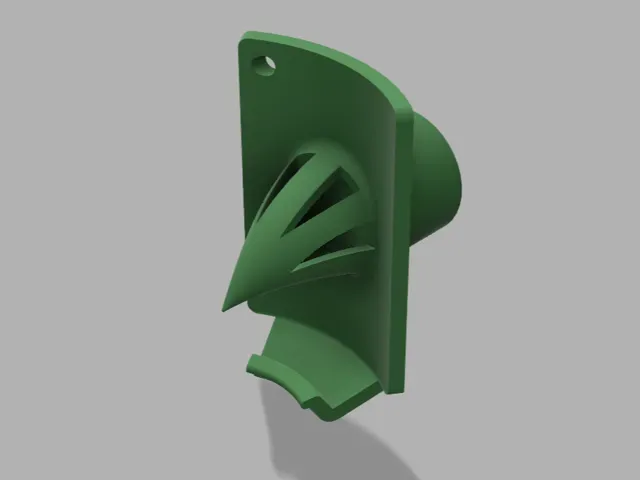
The models differ mainly in how they attach. Some are threaded caps that screw onto a bottle neck, others snap over a can rim, and a third group are adapters that join two openings of different sizes. A few designs are single pieces printed in place, while others come as two or three parts that go together after printing.
Before printing, compare the opening you have with the dimensions the author lists: neck diameter, thread pitch, rim size and overall height. Look at the number of parts, the orientation the author suggests, and whether supports are needed for the overhangs. The material and settings on the model page, plus photos of real prints, tell you more than the render does.
To narrow the search, try synonyms such as bottle cap, screw cap, can lid, pourer, spout or adapter, and add the container type you have in mind. Related topics like watering, cleaning, storage and drink accessories often lead to the same kind of part. If a result is close but not exact, check the author's other models for a version in another size.
Caps that hold liquid are usually printed with a few perimeters and a slightly higher infill so the walls stay firm. Flexible filament is common for parts that must grip a rim or seal an opening, while rigid filament suits threaded caps and adapters. Test the thread on an empty container first, and adjust the scale in small steps if it turns too tight or too loose.


Le catalogue complet des thèmes, de la maison à la CNC, avec une recherche sur tous les sites connectés.