
Gratuit 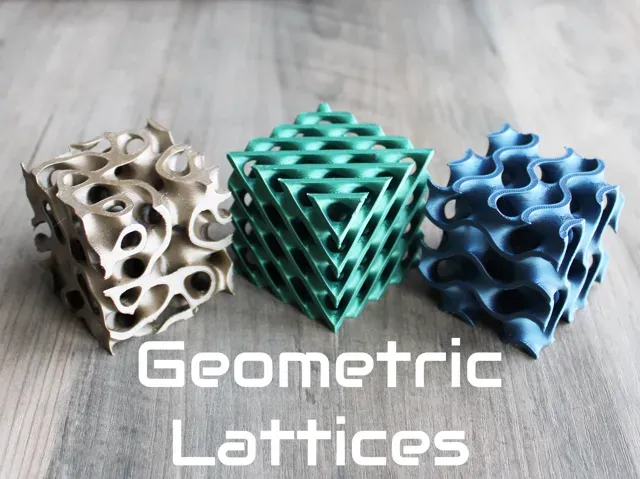
Geometric Lattice Cubes – Gyroid / Rhombus / IWP
MakerWorld
This collection gathers several unrelated strands of 3D printing: calibration and test prints, club fan items, vehicle accessories, decorative geometry and aviation-themed pieces. It is useful when a search term is ambiguous and you want to see how different makers interpret the same letters. Most entries are small STL files that print in a single run on a common 3D printer. Polyzon does not confirm whether models are free, their price, license, official status, affiliation, safety or fitness. Check the current terms at the source.
Le texte de cette collection est rédigé en anglais ; la recherche, elle, fonctionne dans toutes les langues.
 Une collection Polyzon · 23 modèles sur 2 plateformes
Polyzon compose cette collection à partir des résultats de recherche des plateformes connectées. Les doublons et les modèles sans aperçu sont retirés, les correspondances faibles sont placées à la fin, et le reste suit l’ordre de la recherche. Les modèles appartiennent à leurs auteurs : consultez les conditions sur la page de chaque modèle.
Règles de sélection : la rédaction de Polyzon · Texte mis à jour le 14/10/2026


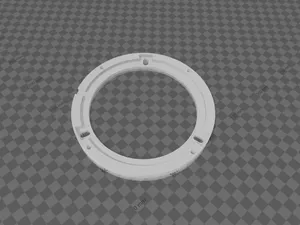
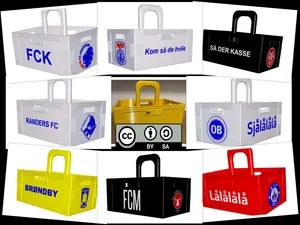
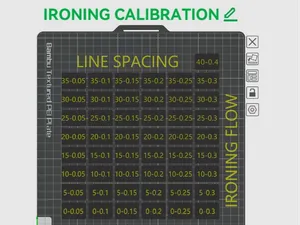


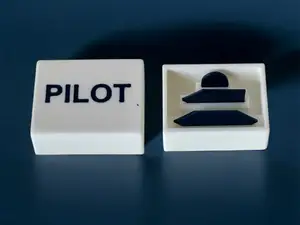
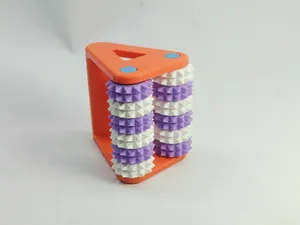


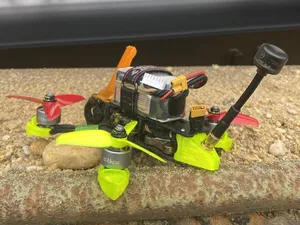

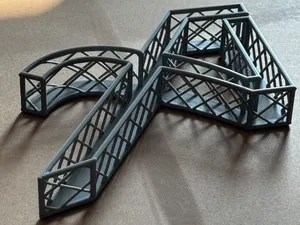
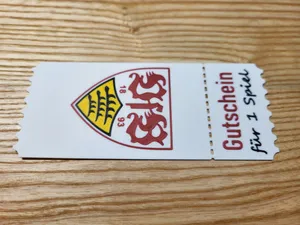
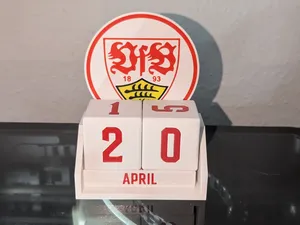
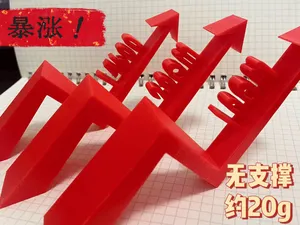
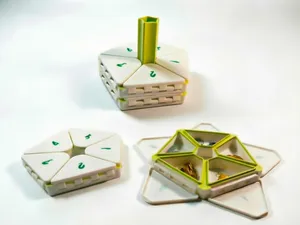
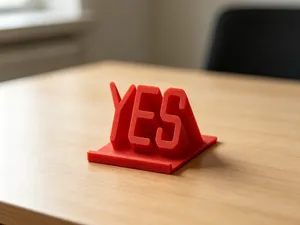
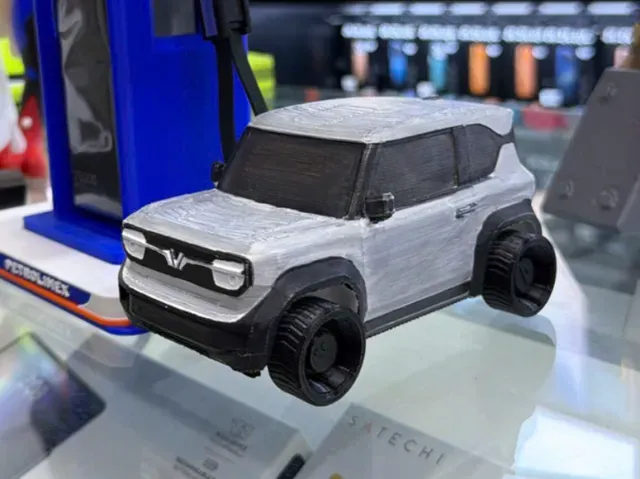
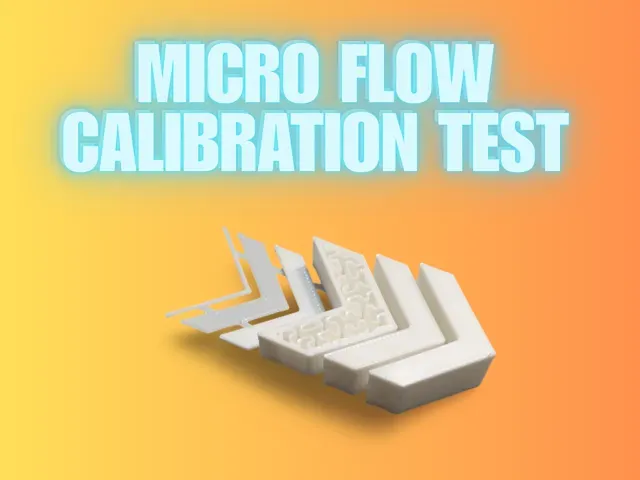
The strands differ in purpose rather than in shape. Calibration pieces are thin-walled test geometry used to read flow, line spacing or overhang behaviour off a finished print. Fan items are flat or relief-style objects tied to a club identity, while vehicle entries are functional add-ons such as brackets, mounts and adapters shaped around a specific car or motorcycle. Decorative geometry and wireframe letters sit at the other end: they are chosen for surface pattern and outline, not for fit.
When picking a model, open the author's page and read the listed dimensions and scale first, then the part count and whether assembly is involved. Look at the stated material and print settings, and at photographs of actual prints rather than renders, since thin walls and long bridges show up there. For anything that has to fit an existing object, measure the real counterpart before slicing, and treat the author's numbers as a starting point for your own scaling.
To widen or narrow the results, try synonyms and neighbouring terms: flow test, tolerance test, overhang test, or the names of the parts you need such as speaker adapter, antenna mount or bracket. Club-related searches work better with the city or league name added, and vehicle searches with the model year. Decorative searches respond to words like lattice, gyroid, wireframe or letter, which pull in a different set of files than the functional queries.



Le catalogue complet des thèmes, de la maison à la CNC, avec une recherche sur tous les sites connectés.