
Gratuit 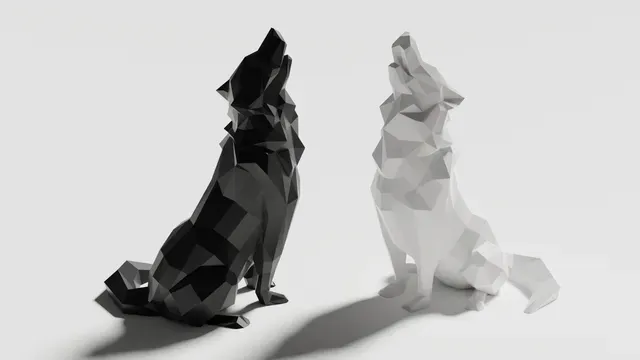
Low Poly Howling Wolf 2.0 (Decoration)(No Supports!) FIXED
Printables
This collection gathers wolf-themed 3D models: low-poly and geometric figures, articulated animals, tabletop miniatures, wall decor and head sculptures. It is useful when you want a single place to compare how different authors approach the same animal for 3D printing. Most entries are STL files you slice yourself, so the look of the finished piece depends on the version you pick. Polyzon does not confirm whether models are free, their price, license, official status, affiliation, safety or fitness. Check the current terms at the source.
Le texte de cette collection est rédigé en anglais ; la recherche, elle, fonctionne dans toutes les langues.
 Une collection Polyzon · 48 modèles sur 7 plateformes
Polyzon compose cette collection à partir des résultats de recherche des plateformes connectées. Les doublons et les modèles sans aperçu sont retirés, les correspondances faibles sont placées à la fin, et le reste suit l’ordre de la recherche. Les modèles appartiennent à leurs auteurs : consultez les conditions sur la page de chaque modèle.
Règles de sélection : la rédaction de Polyzon · Texte mis à jour le 10/10/2026

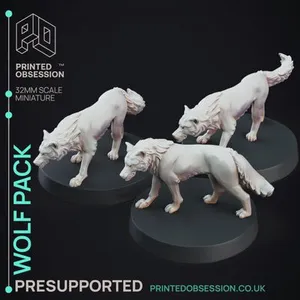
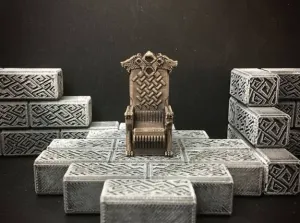
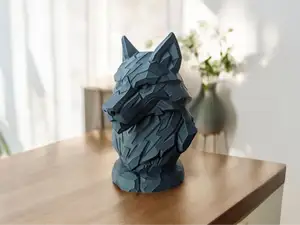
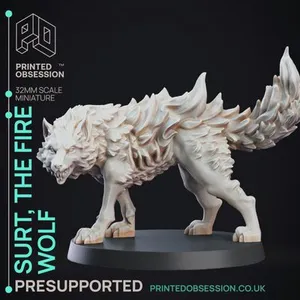


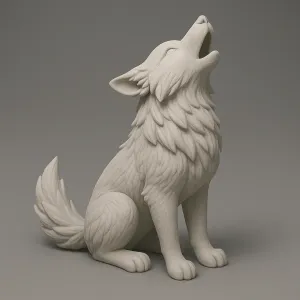
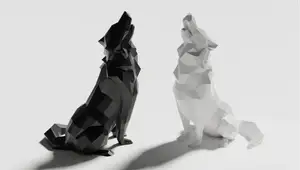

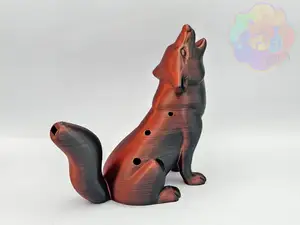


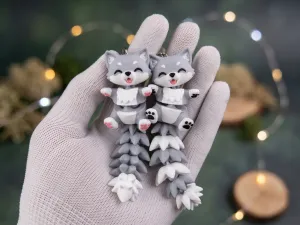


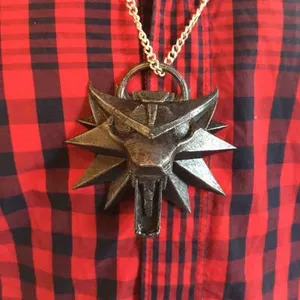

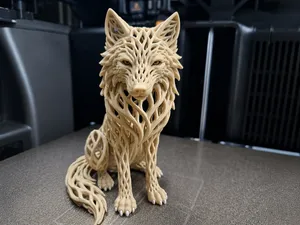
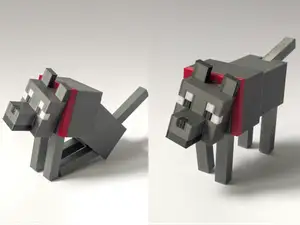

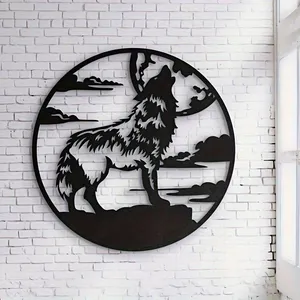


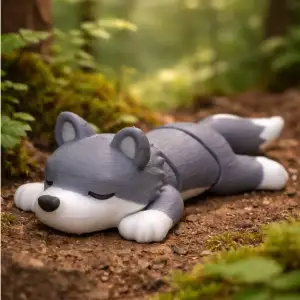

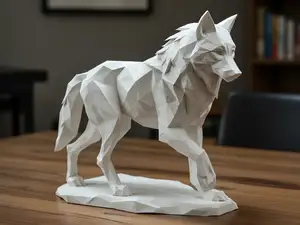

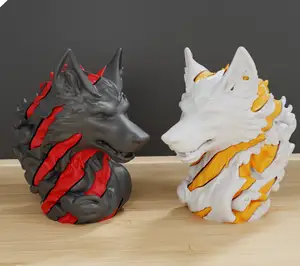
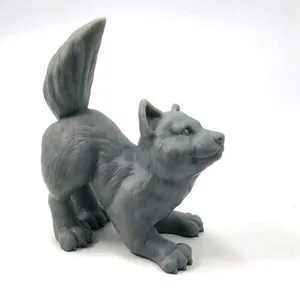

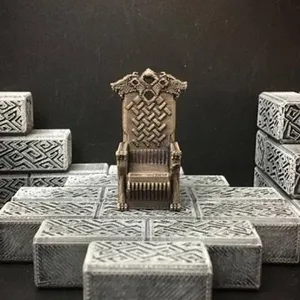
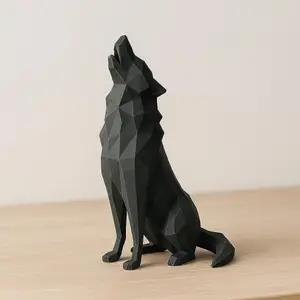
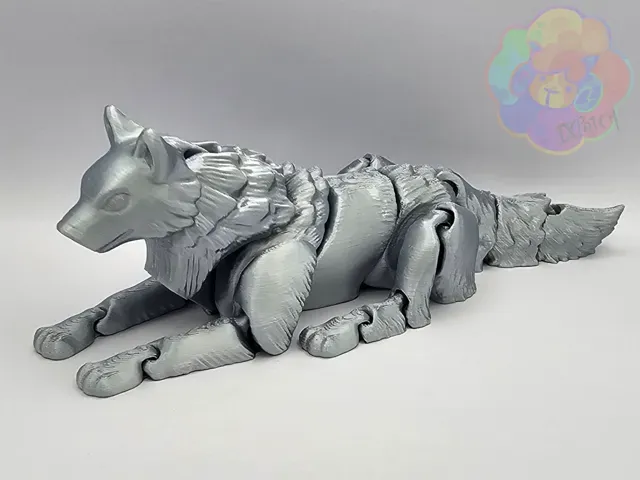
The models differ mainly in how they are built. Low-poly and voronoi versions reduce the animal to flat planes or a mesh of cells, which gives a faceted surface and usually few overhangs. Articulated wolves are printed as one piece with moving joints, while miniature wolves are sculpted for tabletop scale and often come as a small pack or a single creature. Wall art and head sculptures are shaped as reliefs or busts meant to hang or stand.
Before printing, read the author's page rather than the thumbnail. Check the stated size and scale, how many parts the model has and whether they are joined after printing, and whether the geometry needs supports. Look at the material and settings the author lists, and at photos of real prints, since a render hides layer lines, thin walls and small details that may not survive scaling.
If the results feel narrow, try other terms for the same subject: howling, head, bust, talisman, pack, or the names of the styles above. Related searches such as dog, fox, canine or animal wall art often surface models that fit the same project. Combining a style word with a use word, for example geometric or articulated plus decor or miniature, narrows the list faster than the animal name alone.
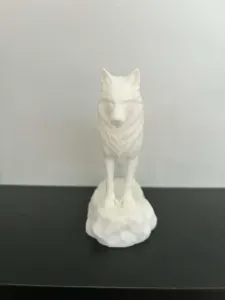

Le catalogue complet des thèmes, de la maison à la CNC, avec une recherche sur tous les sites connectés.