Gratuit 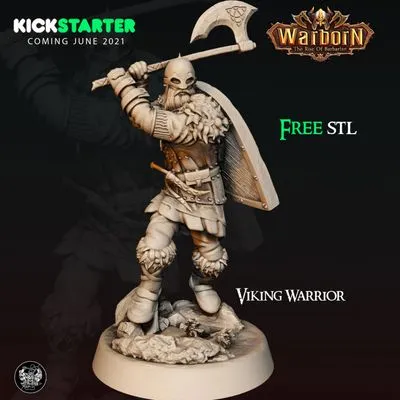
KICKSTARTER FREE ''VIking Warrior" Presupported 3D Model
MyMiniFactory
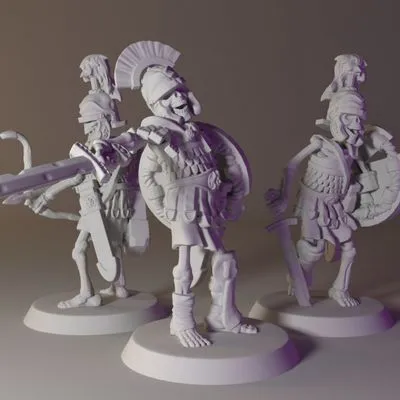
This collection gathers warrior figures and miniatures shared as STL files: medieval knights, skeletons, Viking and northern fighters, anthro characters and tabletop-scale pieces. It helps you compare scale, pose and part count before starting a 3D printing project. Titles vary in language and naming, so looking through several pages gives a clearer picture than one search. Polyzon does not confirm whether models are free, their price, license, official status, affiliation, safety or fitness. Check the current terms at the source.
Le texte de cette collection est rédigé en anglais ; la recherche, elle, fonctionne dans toutes les langues.
 Une collection Polyzon · 48 modèles sur 6 plateformes
Polyzon compose cette collection à partir des résultats de recherche des plateformes connectées. Les doublons et les modèles sans aperçu sont retirés, les correspondances faibles sont placées à la fin, et le reste suit l’ordre de la recherche. Les modèles appartiennent à leurs auteurs : consultez les conditions sur la page de chaque modèle.
Règles de sélection : la rédaction de Polyzon · Texte mis à jour le 13/10/2026


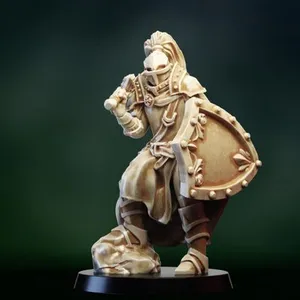


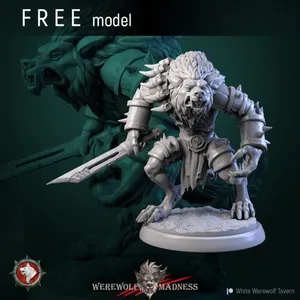

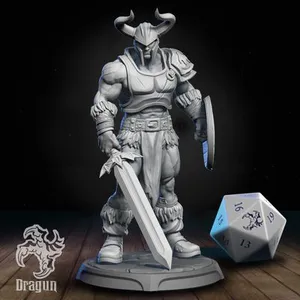
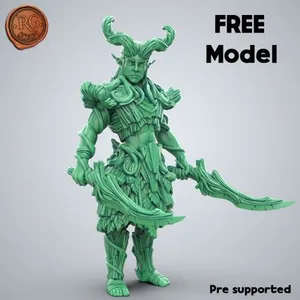
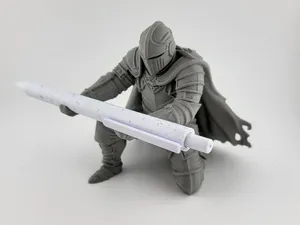


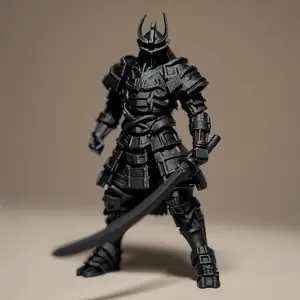

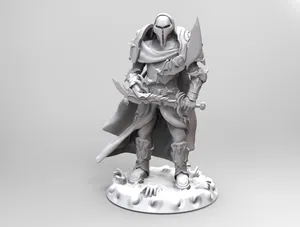
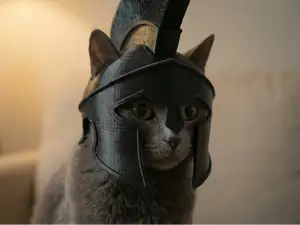


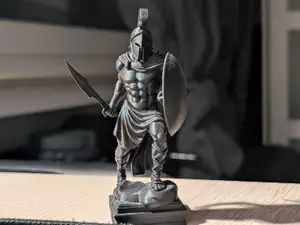
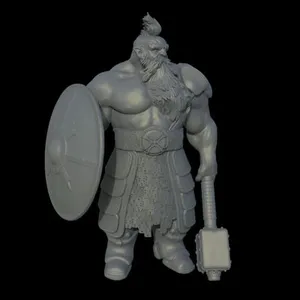

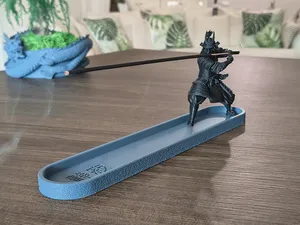


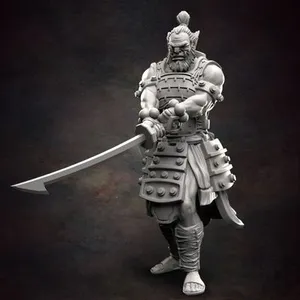
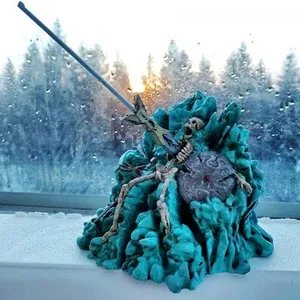


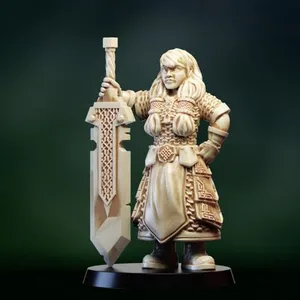
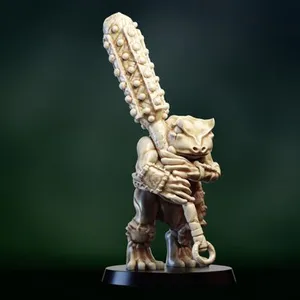

Most entries fall into a few groups: medieval knights and fantasy swordsmen, skeleton and undead fighters, Viking and northern warriors, and anthro characters such as cat or badger fighters. Some are single display figures, others arrive as sets with several poses or as one member of a larger warband. The main difference is scale — tabletop miniatures are measured in millimetres, while display pieces are sized in centimetres.
When choosing, open the model page and read what the author lists: overall height and scale, number of parts, whether the figure is split for printing, and whether supports are needed. Photos of real prints show how thin weapons, cloaks and horns behave after printing. For resin printing, blades and small joints are the parts to check first; for FDM, large bases and separate limbs are easier to handle.
To widen the search, try synonyms and related terms: knight, swordsman, paladin, barbarian, samurai, orc, undead, viking, miniature, figurine, bust. Adding a scale, a material or a pose such as armored, seated or multi-part narrows the results. Related topics like medieval, fantasy, tabletop or wargaming scenery often lead to matching models.


Le catalogue complet des thèmes, de la maison à la CNC, avec une recherche sur tous les sites connectés.