Gratis 
Geckoz
Thingiverse
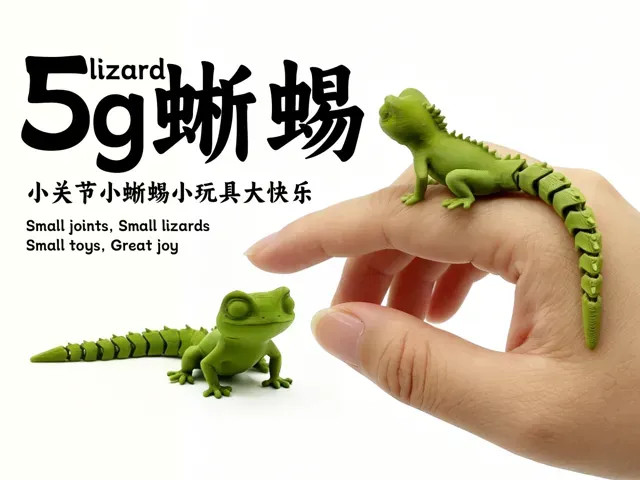
This collection gathers lizard-themed 3D models: articulated bodies printed in one piece, gecko figures, decorative sculptures and a few themed holders. Most of them are small, so they work as quick test prints on a desktop 3D printer. The variety makes it easy to compare how different designers handle joints, tails and surface detail. Polyzon does not confirm whether models are free, their price, license, official status, affiliation, safety or fitness. Check the current terms at the source.
Il testo di questa raccolta è in inglese; la ricerca funziona in qualsiasi lingua.
 Una raccolta di Polyzon · 47 modelli da 4 siti
Polyzon compone questa raccolta a partire dai risultati di ricerca dei siti collegati. I doppioni e i modelli senza anteprima vengono rimossi, le corrispondenze deboli finiscono in fondo e il resto mantiene l’ordine dei risultati. I modelli appartengono ai rispettivi autori: verifica le condizioni sulla pagina di ciascun modello.
Criteri di selezione a cura della redazione di Polyzon · Testo aggiornato: 13/10/2026

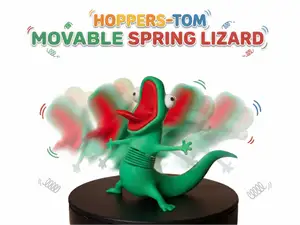
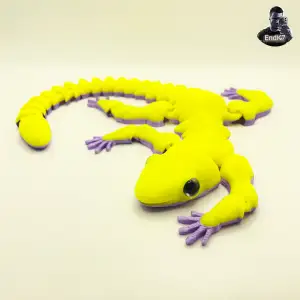

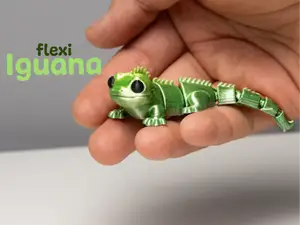
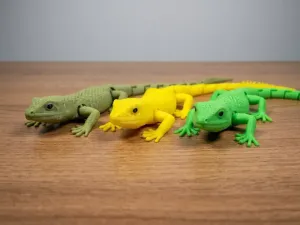

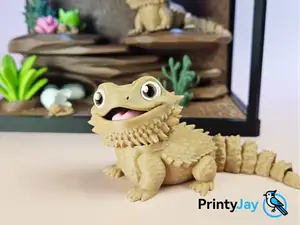
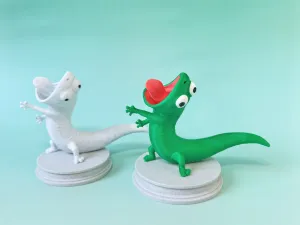

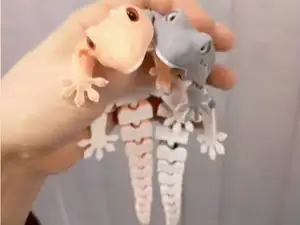
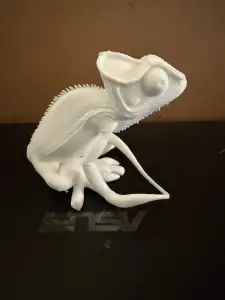

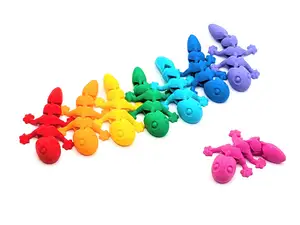
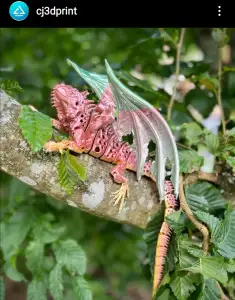

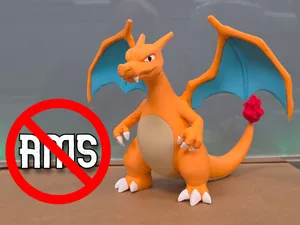
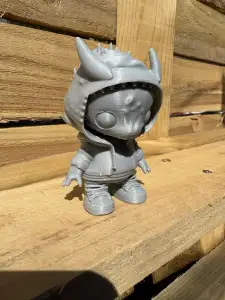

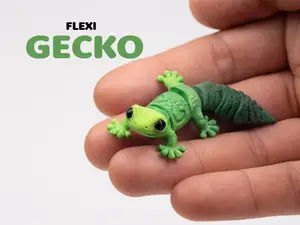
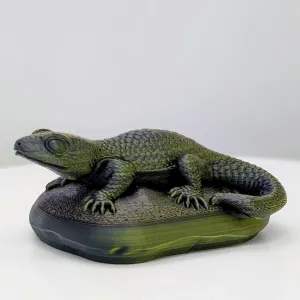

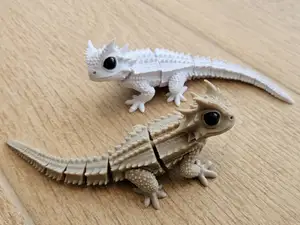
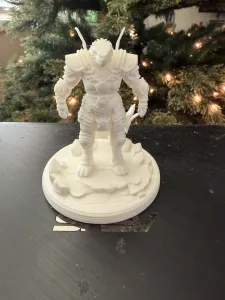

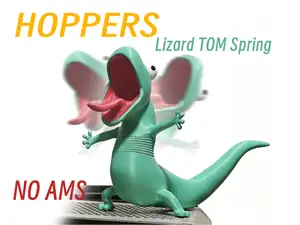
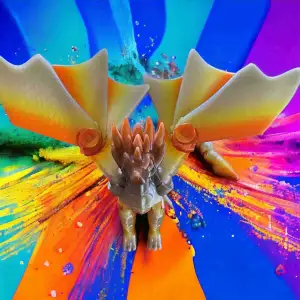

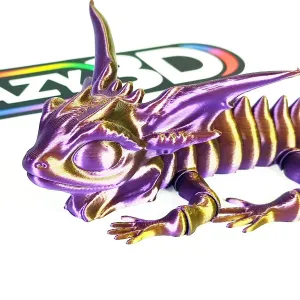

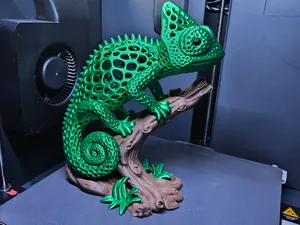
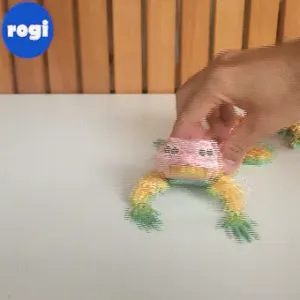

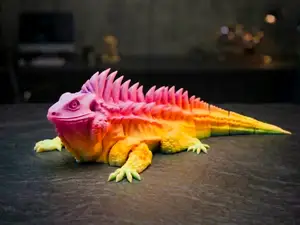
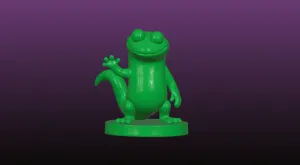

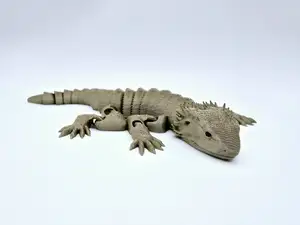
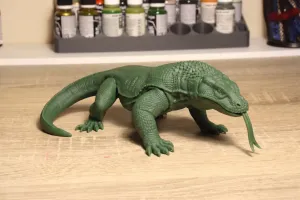


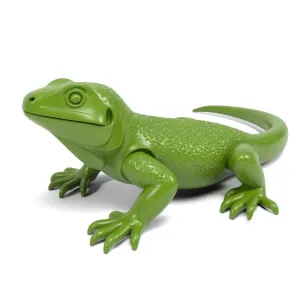

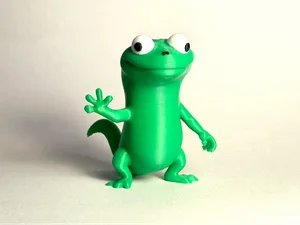
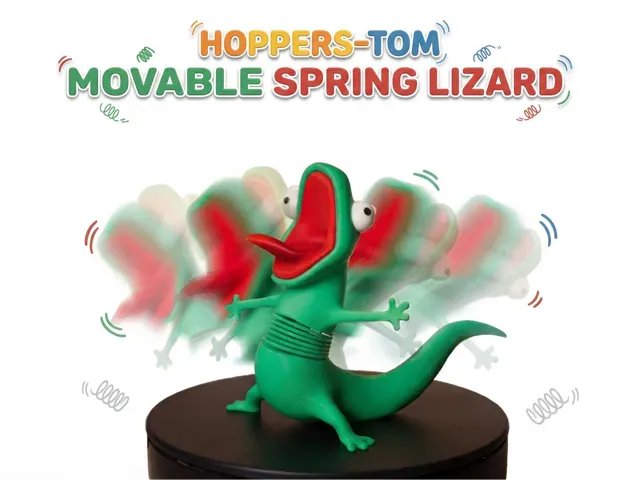
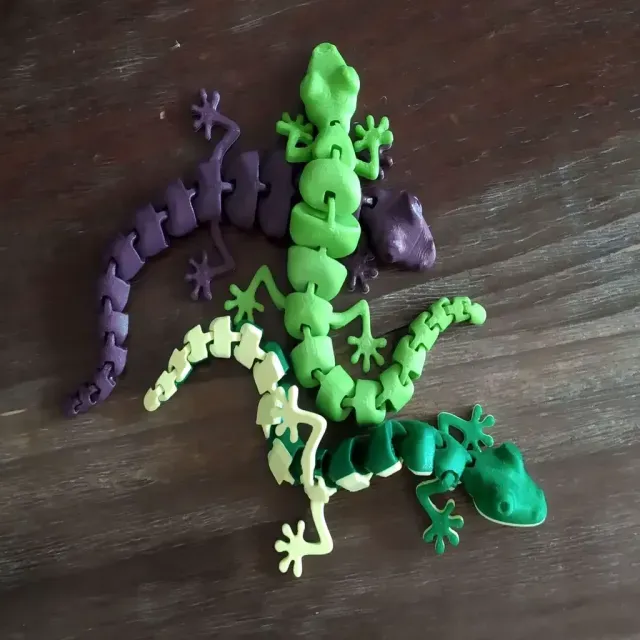
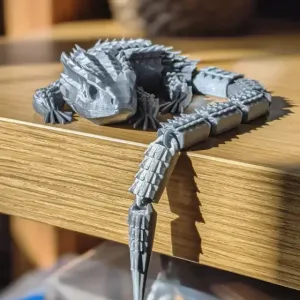
The most common kind is the articulated lizard, where the body, legs and tail are modelled as linked segments that come off the plate already movable. These differ mainly in segment count, tail length and how much clearance the joints have, which decides whether the piece moves right away or needs freeing by hand. Alongside them sit static figures and sculptures, where the shape and surface matter more than movement, and a smaller group of spring or fidget bodies that flex instead of hinging.
When choosing, open the author's page and read the listed size and scale first, since a lizard that looks small in a photo can be several times longer once scaled up. Check how many parts the model has and whether it is meant to print assembled or to be glued, and look at the stated support requirements, layer height and material. Photos of real prints are the most useful signal: they show how the joints came out and where stringing or drooping tends to appear.
To widen the search, try related terms such as gecko, iguana, chameleon, skink or dragon, and add words describing the mechanism, like articulated, flexi, print in place or magnet. Combining a body type with a use case, for example a keychain, desk figure or wall decoration, narrows the results further. If you want a specific style, search for low-poly, realistic or cartoon versions separately, because they are usually grouped under different titles.



Il catalogo completo dei temi, dalla casa alla lavorazione CNC, con ricerca su tutti i siti collegati.