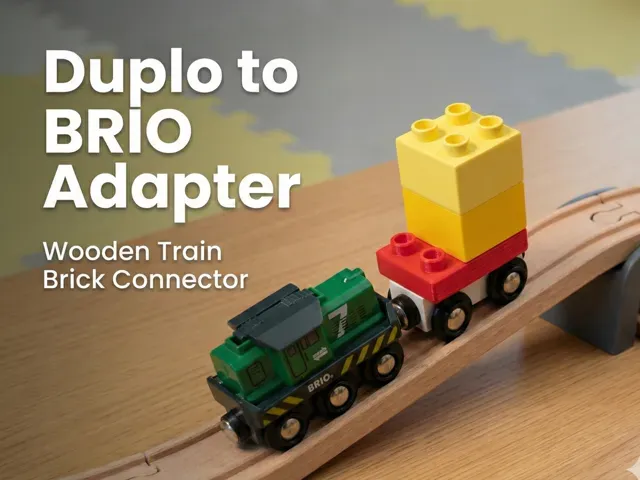

Gratis 
2" Straight Fret Press Adapter for C-Clamp
Thingiverse
This collection gathers 3D printing files for adapters that connect parts which were never meant to fit together: sockets and jacks, vacuum hoses, battery packs, controller shells and toy systems. Most of these are small, quick prints, so the collection is useful when an off-the-shelf part does not exist for your combination. Each entry is an STL or a similar mesh you can slice for your own 3D printer. Polyzon does not confirm whether models are free, their price, license, official status, affiliation, safety or fitness. Check the current terms at the source.
Il testo di questa raccolta è in inglese; la ricerca funziona in qualsiasi lingua.
 Una raccolta di Polyzon · 47 modelli da 4 siti
Polyzon compone questa raccolta a partire dai risultati di ricerca dei siti collegati. I doppioni e i modelli senza anteprima vengono rimossi, le corrispondenze deboli finiscono in fondo e il resto mantiene l’ordine dei risultati. I modelli appartengono ai rispettivi autori: verifica le condizioni sulla pagina di ciascun modello.
Criteri di selezione a cura della redazione di Polyzon · Testo aggiornato: 14/10/2026


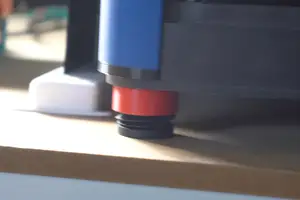
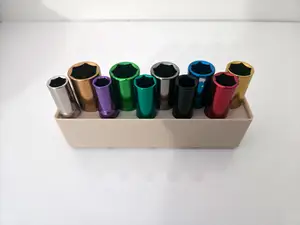


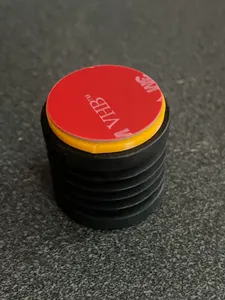
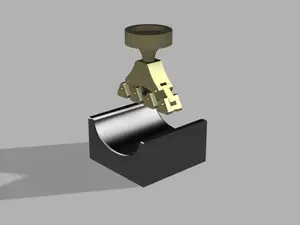


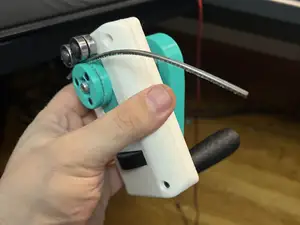


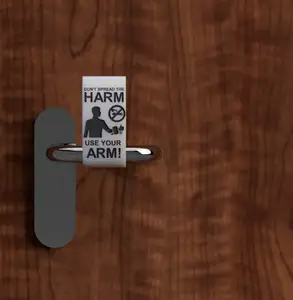
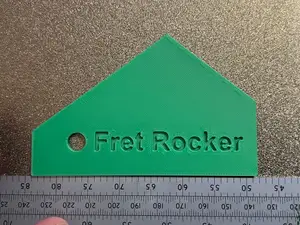


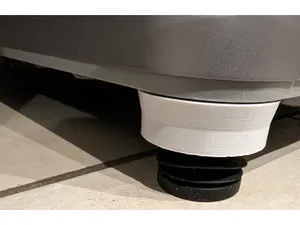
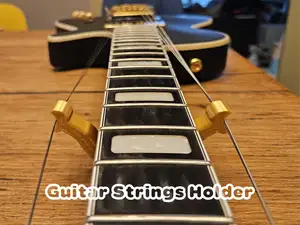


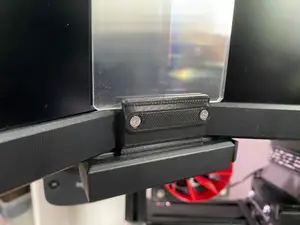
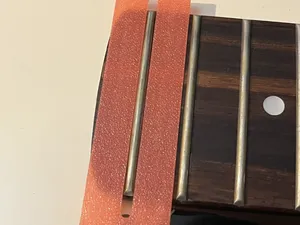


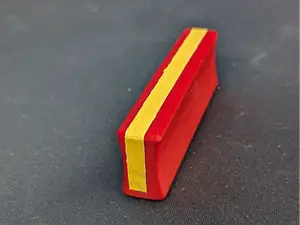


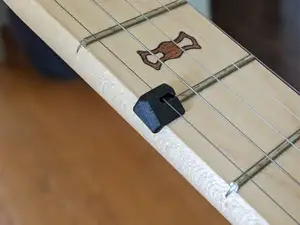


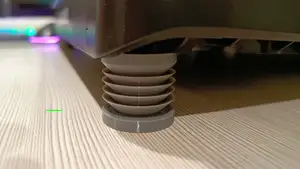
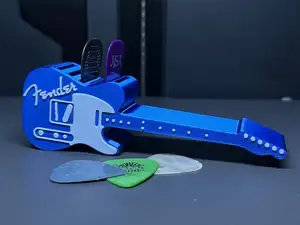


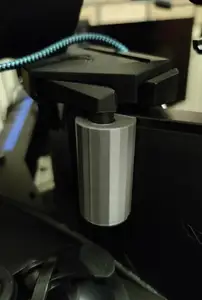


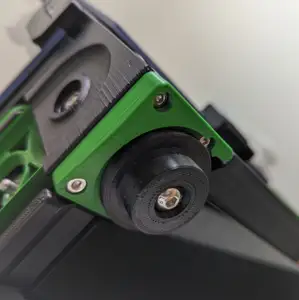
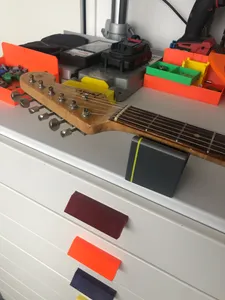
The models fall into a few rough groups. Mechanical adapters change a drive or a mounting point, such as a socket driven by a clamp or a jack lifted to clear a body panel. Hose and duct adapters step one diameter down to another, while battery and controller adapters deal with latches, contacts and screw bosses rather than pure geometry. Toy and game adapters usually translate one stud, rail or clip system into another.
When choosing a file, read the author's notes before slicing. Check the stated inner and outer diameters, thread pitch or stud spacing, the number of separate parts, and whether the model is meant to be glued, bolted or press-fitted. Look at the material and settings the author lists, and at photos of real prints, since shrinkage and orientation change how a close-fitting adapter behaves. Thin walls and tall, narrow shapes often need supports or a different print orientation.
Search results widen quickly if you try other words for the same idea: adaptor, reducer, converter, mount, bracket, coupler or sleeve. Adding the size or the tool family to the query narrows it again, for example a hose diameter, a socket drive size or a battery series. Related topics such as dust collection fittings, tool holders, printer feet and controller shells often contain the adapter you need under a different name.




Il catalogo completo dei temi, dalla casa alla lavorazione CNC, con ricerca su tutti i siti collegati.

