
Gratis 
Antenna End Insulator ("Dog Bone" Insulator)
Printables
This collection gathers STL designs for antenna insulators used in wire, dipole, and Yagi setups. You can compare end, center, and strain styles, then check each model page for dimensions, hardware, and assembly details before printing on a 3D printer. Polyzon does not confirm whether models are free, their price, license, official status, affiliation, safety or fitness. Check the current terms at the source.
Il testo di questa raccolta è in inglese; la ricerca funziona in qualsiasi lingua.
 Una raccolta di Polyzon · 48 modelli da 5 siti
Polyzon compone questa raccolta a partire dai risultati di ricerca dei siti collegati. I doppioni e i modelli senza anteprima vengono rimossi, le corrispondenze deboli finiscono in fondo e il resto mantiene l’ordine dei risultati. I modelli appartengono ai rispettivi autori: verifica le condizioni sulla pagina di ciascun modello.
Criteri di selezione a cura della redazione di Polyzon · Testo aggiornato: 13/10/2026
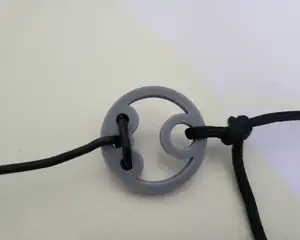


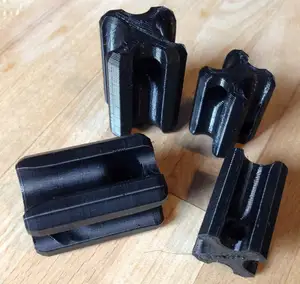


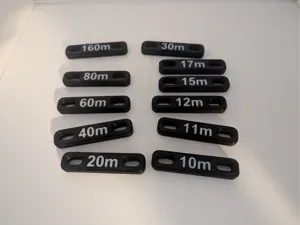
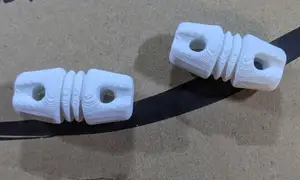


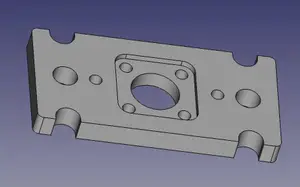
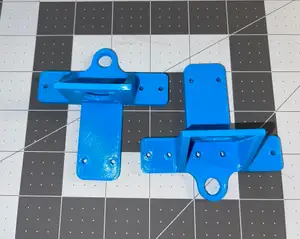
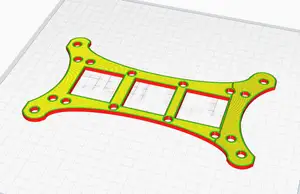


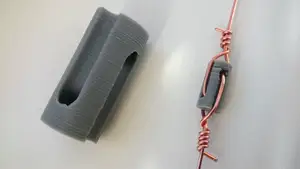
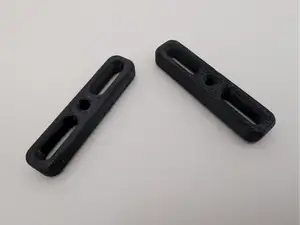

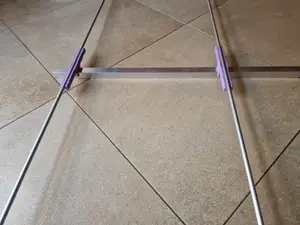


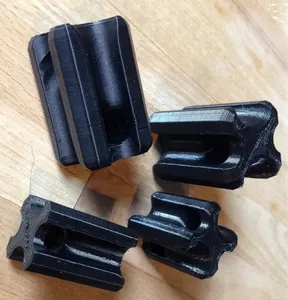


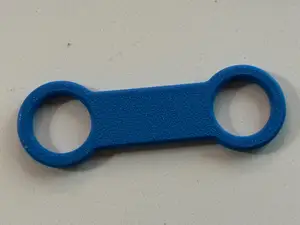


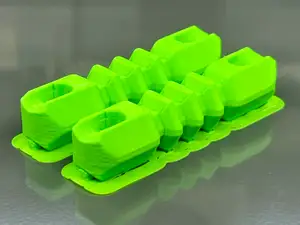


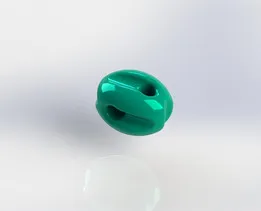

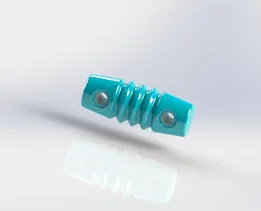
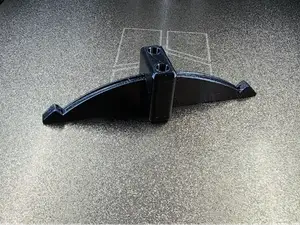


End insulators usually hold wire ends and often take a bone or egg shape, while center insulators support feed-point connections and may include openings for coax or a connector. Yagi and VHF designs tend to be smaller and shaped around boom or element mounting, and guy-wire strain insulators focus on tension paths. Spreader and winder parts appear alongside these, so the collection covers both electrical isolation and mechanical routing.
When choosing a model, read the author's notes on size and scale, number of parts, and whether supports are needed. Check the material and settings the author lists, since outdoor antenna parts may need UV-resistant filament and enough wall thickness for the load. Photos of real prints help you judge how holes, threads, and wire channels turn out on your 3D printer.
To refine the search, try synonyms such as wire insulator, dipole center, strain insulator, or feed-point isolator. Related topics include antenna spreaders, wire winders, guy rings, and mounting brackets. Combining a material or connector term with the antenna type can narrow results when the collection is large.




Il catalogo completo dei temi, dalla casa alla lavorazione CNC, con ricerca su tutti i siti collegati.