
Gratis 
Articulated Toys
Creality Cloud
This collection gathers articulated toys shared as STL files for 3D printing: flexible animals, dragons, humanoid figures and holiday pieces. The models differ in joint type, segment count and scale, so a look at each author's page saves time before you slice. Use the filters and related search terms to narrow the list to the shapes you want to print. Polyzon does not confirm whether models are free, their price, license, official status, affiliation, safety or fitness. Check the current terms at the source.
Il testo di questa raccolta è in inglese; la ricerca funziona in qualsiasi lingua.
 Una raccolta di Polyzon · 48 modelli da 6 siti
Polyzon compone questa raccolta a partire dai risultati di ricerca dei siti collegati. I doppioni e i modelli senza anteprima vengono rimossi, le corrispondenze deboli finiscono in fondo e il resto mantiene l’ordine dei risultati. I modelli appartengono ai rispettivi autori: verifica le condizioni sulla pagina di ciascun modello.
Criteri di selezione a cura della redazione di Polyzon · Testo aggiornato: 12/10/2026
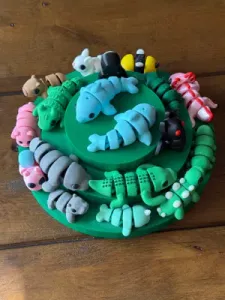

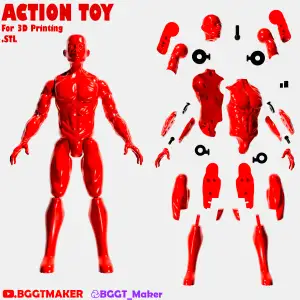
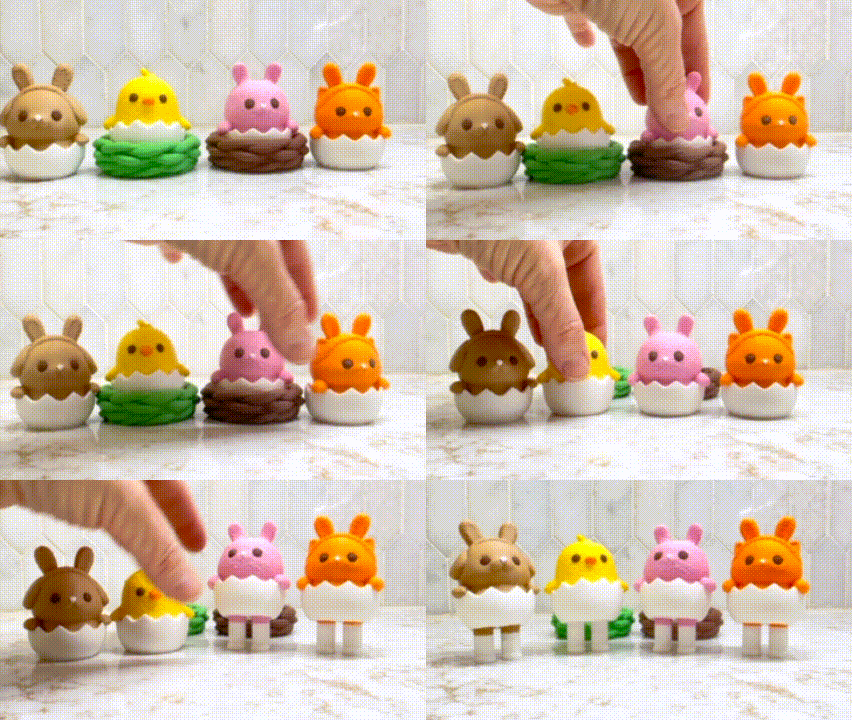
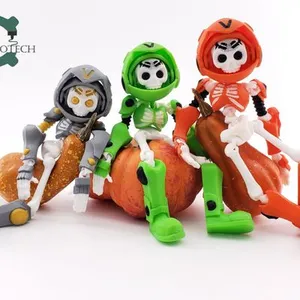


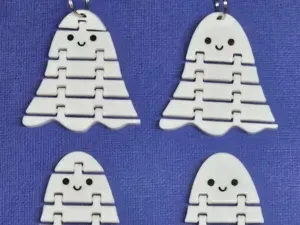


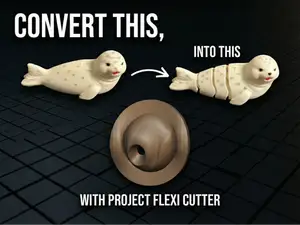
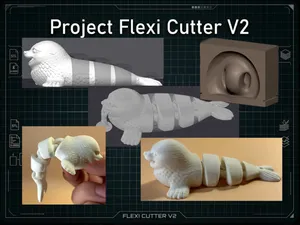


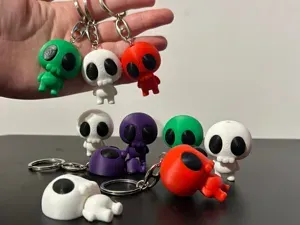
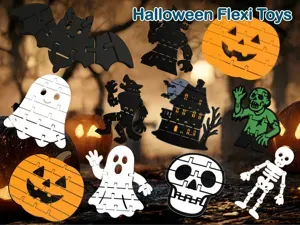

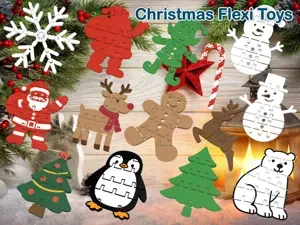

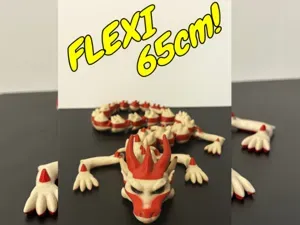
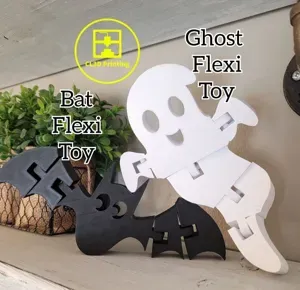

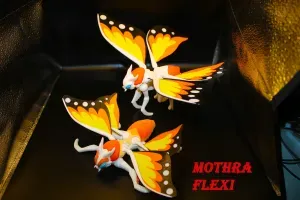
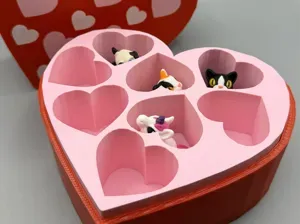
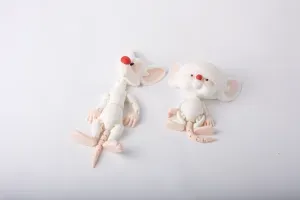
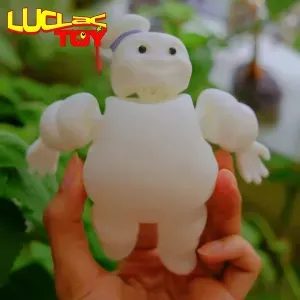

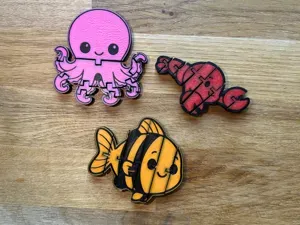
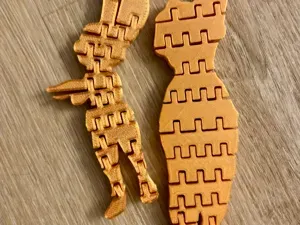
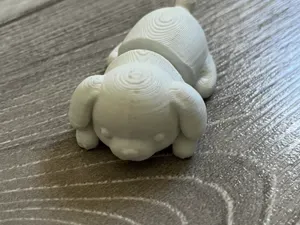


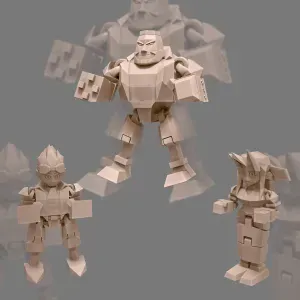


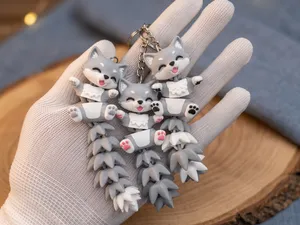



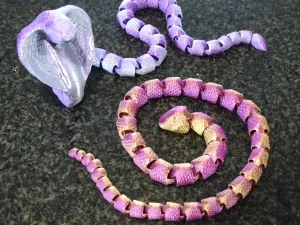
The range covers several families of models. Dragons and fantasy creatures usually have long segmented bodies or wings, while animal figures such as lizards, foxes and sea creatures rely on a chain of hinged links. Humanoid action figures and robot designs add separate limbs, and holiday pieces often come as small decorative sets. The main differences are the number of segments, the type of joint and the overall size.
Before printing, open the model page and check the listed size and scale, the number of parts and whether assembly is required. Look at whether the author mentions supports and which material and settings were used, then compare those notes with photos of real prints. Joint clearance matters most: tight tolerances can fuse after printing, while very loose ones make the figure floppy. Printing a small test piece first shows how your printer handles the gaps.
Search results improve when you try synonyms. Terms like flexi, print-in-place, movable, jointed and fidget describe the same idea, and adding an animal or creature name narrows the list quickly. Related topics include desk toys, keychains, sensory fidgets and display stands for finished figures. Combining a shape with a joint type, such as a snake with a ball joint, usually returns fewer but closer matches.



Il catalogo completo dei temi, dalla casa alla lavorazione CNC, con ricerca su tutti i siti collegati.