Gratis 
бедренная кость / hueso femur
Cults3D
This collection gathers femur and thigh bone models for 3D printing, from anatomical scans of human and animal bones to scale replicas and small novelty items. It helps when you need a reference shape for study, a prop or a display piece. Polyzon does not confirm whether models are free, their price, license, official status, affiliation, safety or fitness. Check the current terms at the source.
Il testo di questa raccolta è in inglese; la ricerca funziona in qualsiasi lingua.
 Una raccolta di Polyzon · 48 modelli da 8 siti
Polyzon compone questa raccolta a partire dai risultati di ricerca dei siti collegati. I doppioni e i modelli senza anteprima vengono rimossi, le corrispondenze deboli finiscono in fondo e il resto mantiene l’ordine dei risultati. I modelli appartengono ai rispettivi autori: verifica le condizioni sulla pagina di ciascun modello.
Criteri di selezione a cura della redazione di Polyzon · Testo aggiornato: 11/10/2026


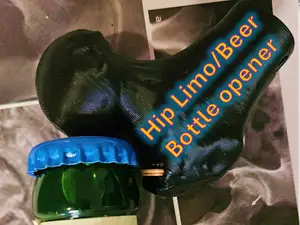

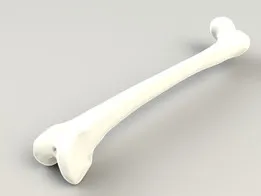





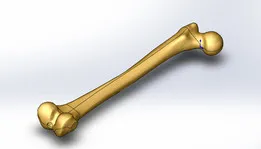
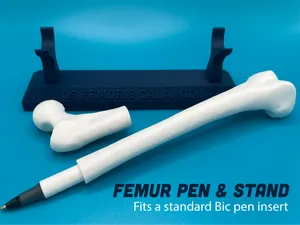
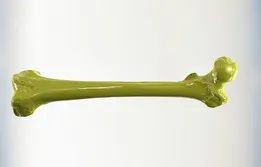

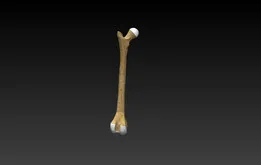
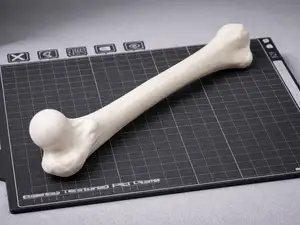


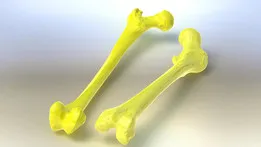
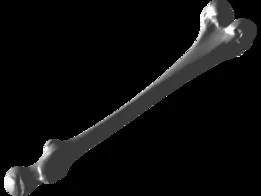

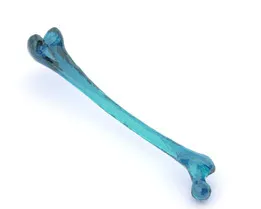
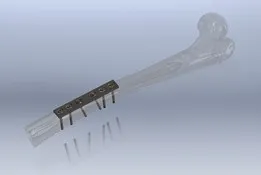


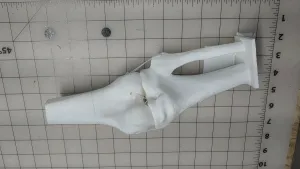
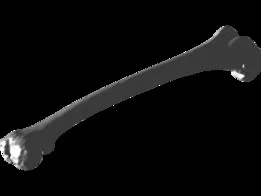
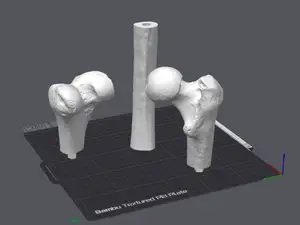
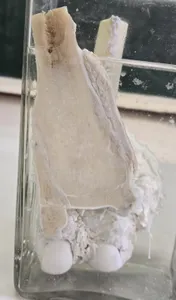

The models differ mainly in how they were made. Scans taken from medical imaging keep the uneven surface and proportions of a real bone, while modelled versions are simplified for easier printing. Animal femurs follow different proportions than human ones, and joint or pelvis pieces usually come as several parts that are joined after printing.
Before printing, look at the size and scale stated on the model page, since the same bone can be offered as a small keychain-sized object or as a large display piece. Check the number of parts and how they connect, whether the author used supports, and which material and settings are listed. Photos of finished prints show how the surface and the thin areas actually come out.
If the results are too narrow, try other names for the same subject: thigh bone, femur, hip, pelvis, anatomical or skeleton. Related searches such as knee, prosthesis, dog or raccoon lead to models built on the same shape. Some authors publish titles in other languages, so a translated term can also bring up more results.


Il catalogo completo dei temi, dalla casa alla lavorazione CNC, con ricerca su tutti i siti collegati.