Gratis 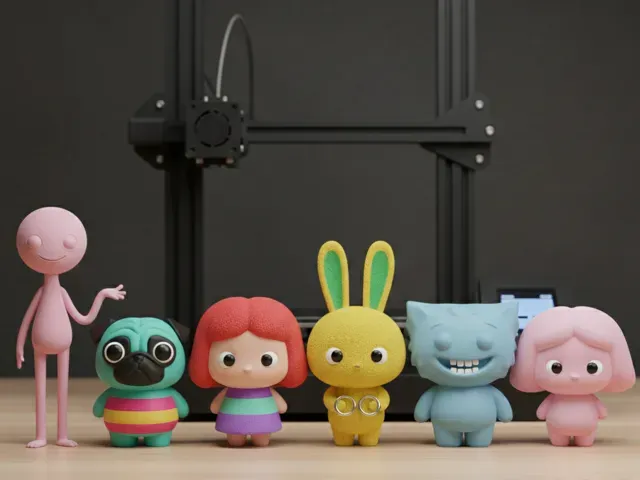
Chibi Poppy Playtime – 3D Printable Figurine Set
MakerWorld
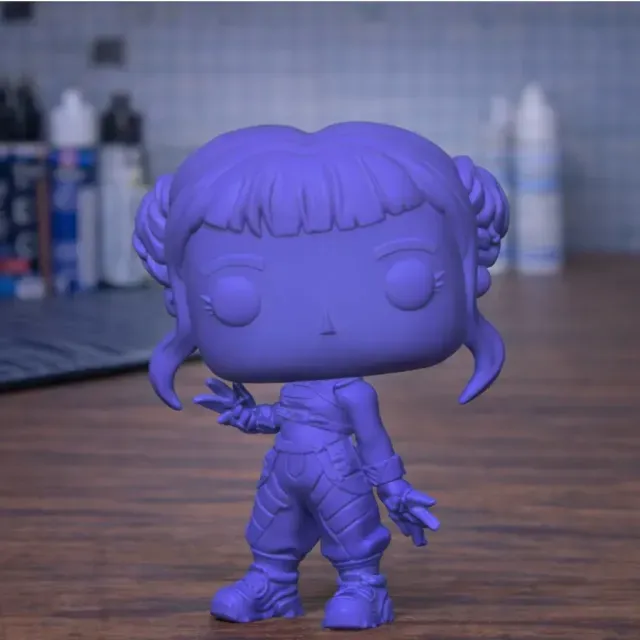
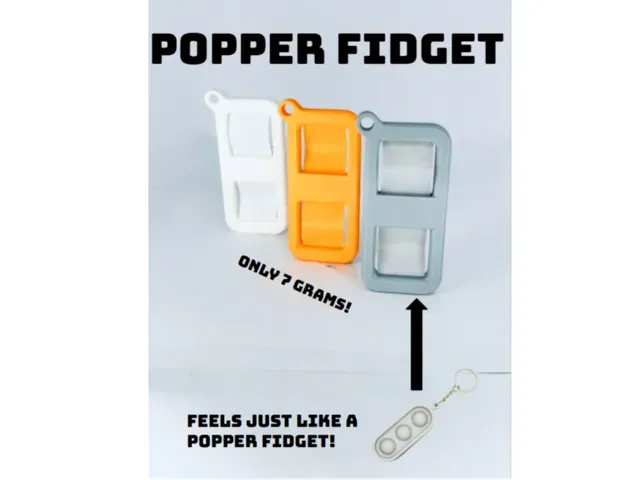
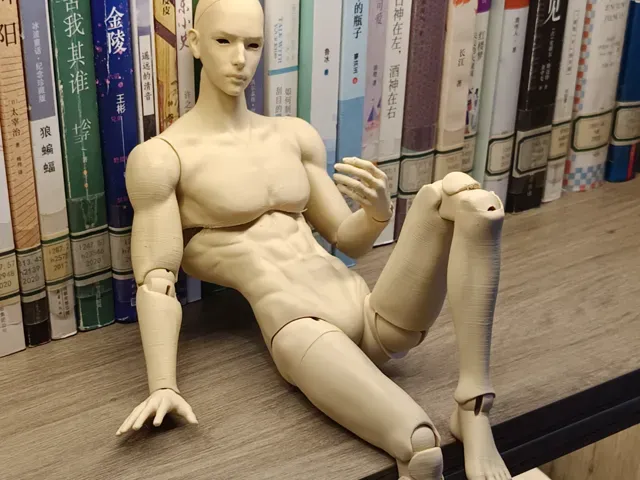
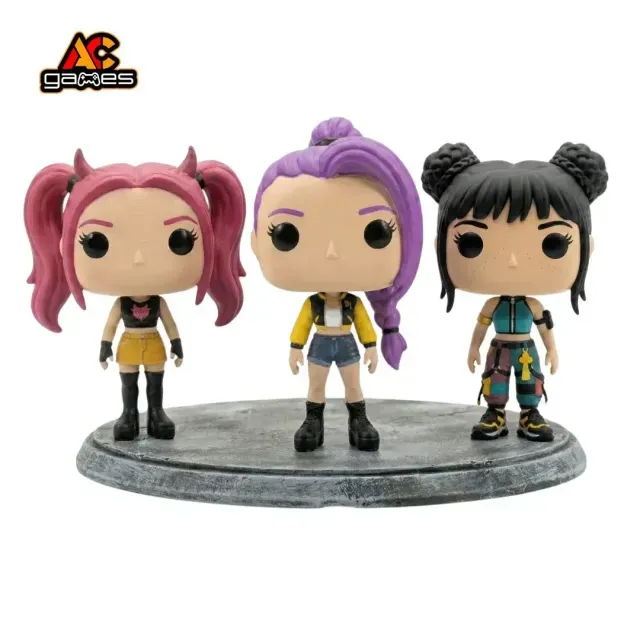
This collection gathers 3D models built around dolls and pop-style figures: ball-jointed bodies, chibi characters, collectible-style figures and small print-in-place fidget toys. Most of them are split into several parts, so the files are useful if you want to practice assembly, joint fitting or painting on a 3D printer. The range is wide enough to cover both simple single-piece toys and multi-part articulated figures. Polyzon does not confirm whether models are free, their price, license, official status, affiliation, safety or fitness. Check the current terms at the source.
Il testo di questa raccolta è in inglese; la ricerca funziona in qualsiasi lingua.
 Una raccolta di Polyzon · 40 modelli da 2 siti
Polyzon compone questa raccolta a partire dai risultati di ricerca dei siti collegati. I doppioni e i modelli senza anteprima vengono rimossi, le corrispondenze deboli finiscono in fondo e il resto mantiene l’ordine dei risultati. I modelli appartengono ai rispettivi autori: verifica le condizioni sulla pagina di ciascun modello.
Criteri di selezione a cura della redazione di Polyzon · Testo aggiornato: 15/10/2026
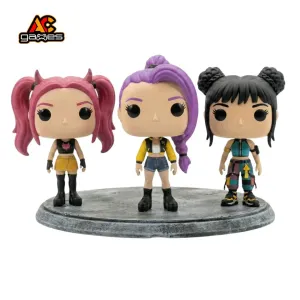
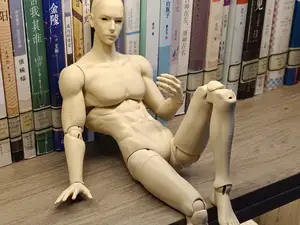
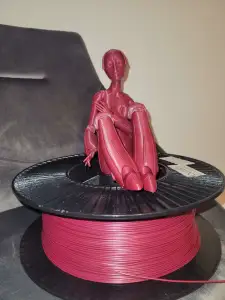
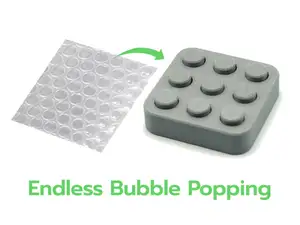
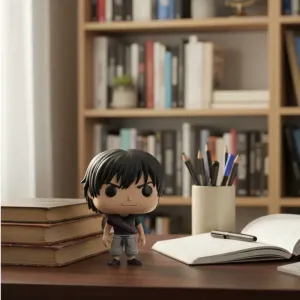
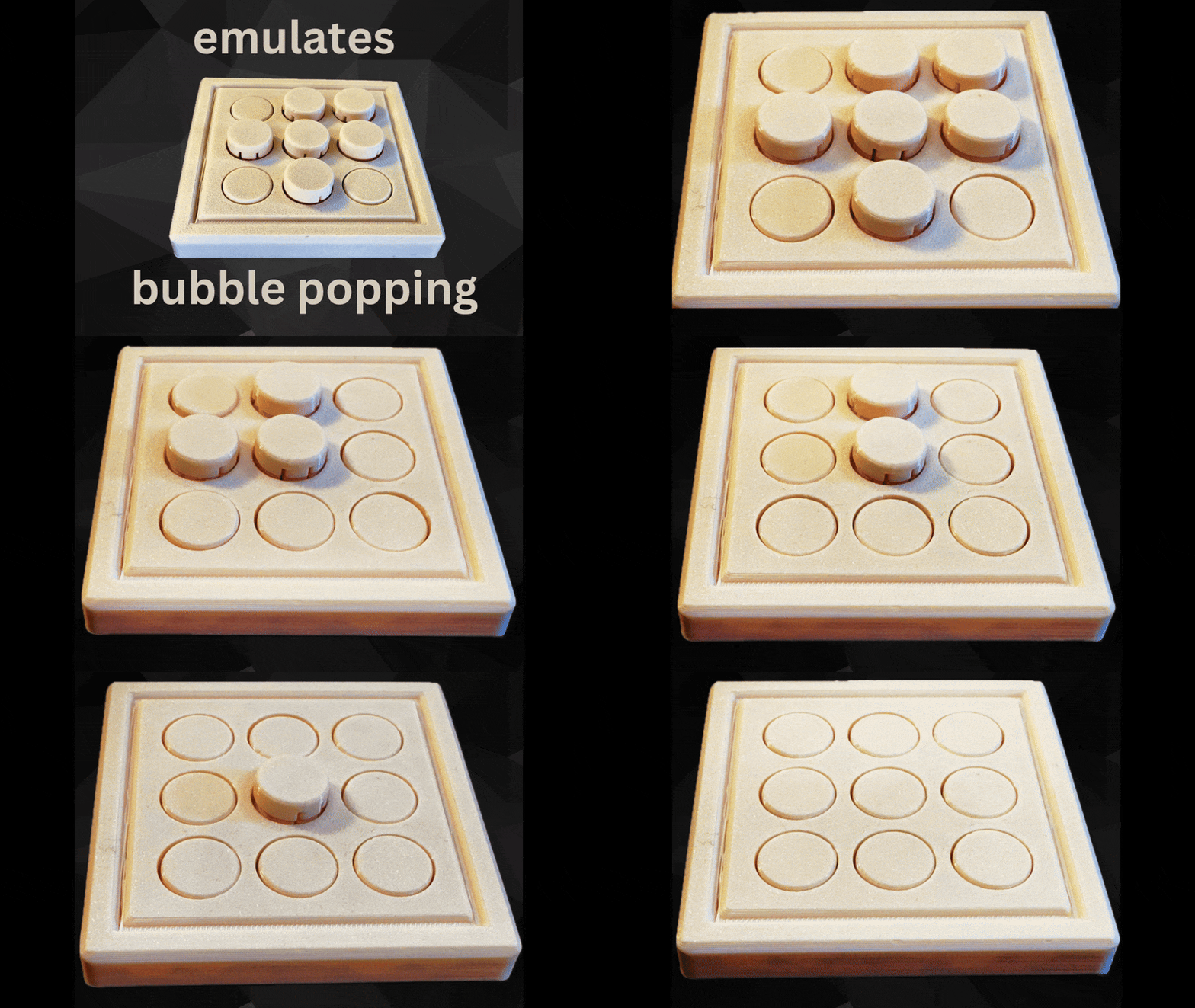
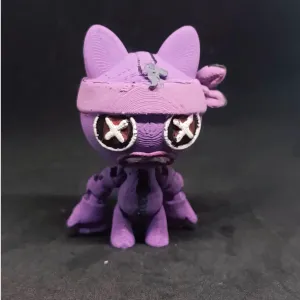
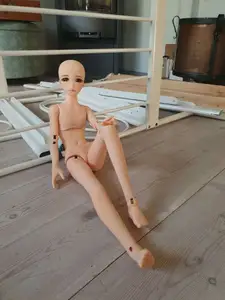
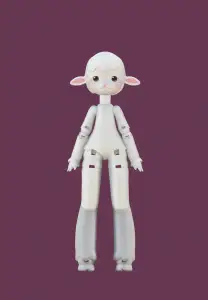
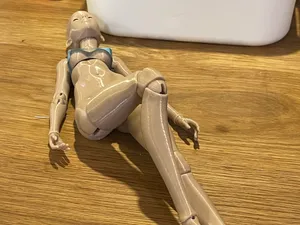
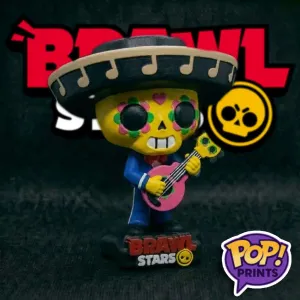
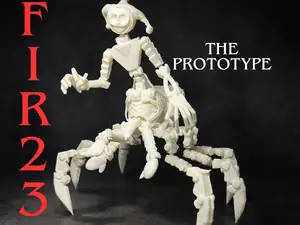
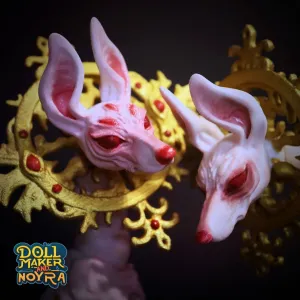
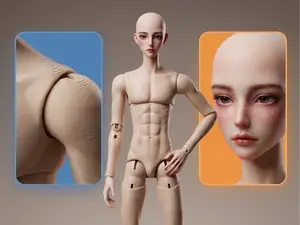
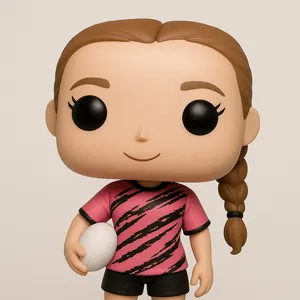
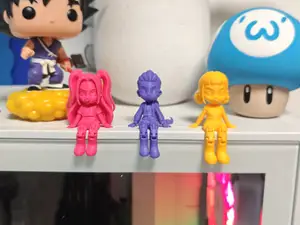
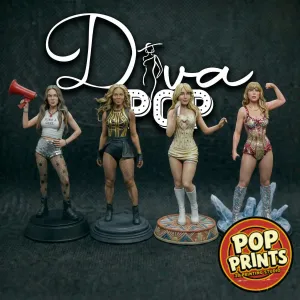
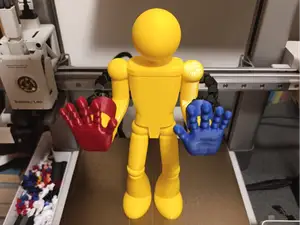
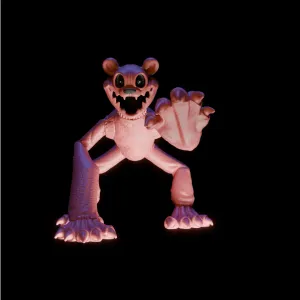
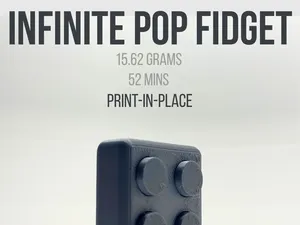
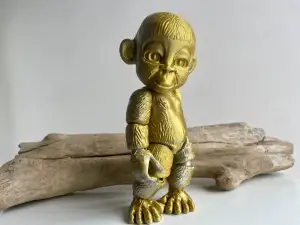
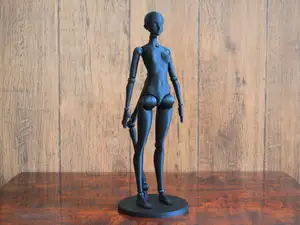
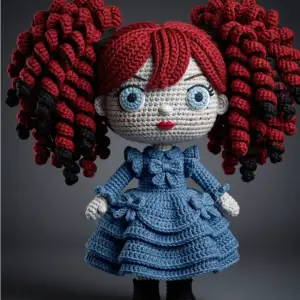
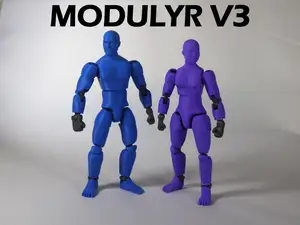
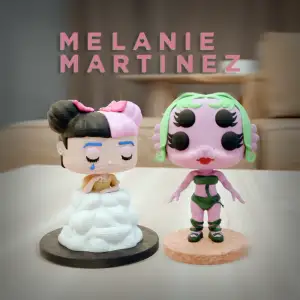
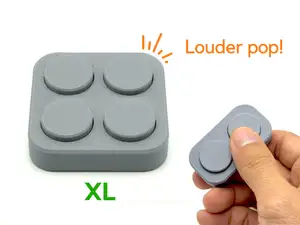
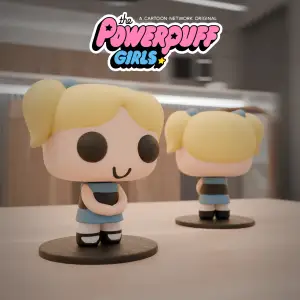
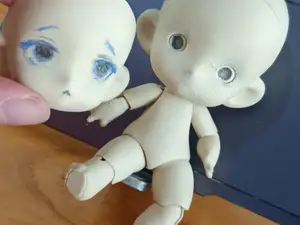


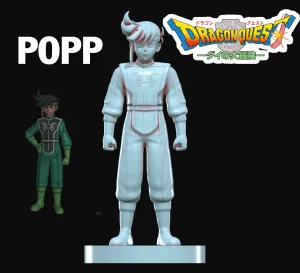
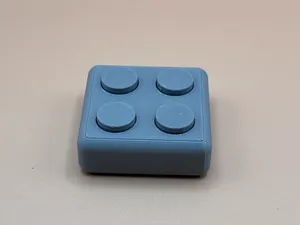
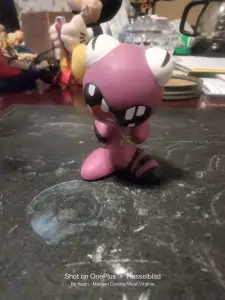
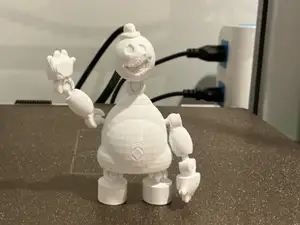

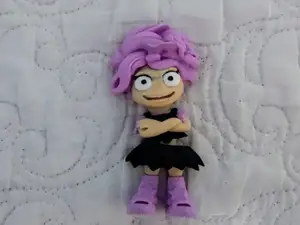

The models fall into a few recognisable groups. Ball-jointed dolls use separate body shells and jointed limbs, often with an interchangeable head, and they are usually the most demanding to assemble. Chibi and pop-style figures are simpler in construction: a head, a body and a base, sometimes printed as one piece. Fidget poppers sit at the other end of the scale, designed as flat print-in-place toys with a moving membrane.
When you open a model page, look first at the part count and how the parts connect, because a joint that relies on tight tolerances behaves differently from a snap-fit peg. Check the scale the author lists, since doll bodies are often given in fractions or head-to-body ratios, and decide whether you want that size on your build plate. Read the material and settings the author mentions, note whether supports are needed for overhangs and thin limbs, and look at photos of real prints to judge surface finish and joint clearance.
If the results feel narrow, try related wording. Searches for articulated doll, ball jointed figure, posable body or jointed mannequin overlap with this topic, and chibi, cartoon figure or collectible figurine cover the smaller stylised models. Terms such as print in place, fidget popper or bubble toy lead to the flat moving-part designs, while prototype or test articulation brings up models made mainly to check how a joint moves.




Il catalogo completo dei temi, dalla casa alla lavorazione CNC, con ricerca su tutti i siti collegati.